Yue Cao
☰
Projects
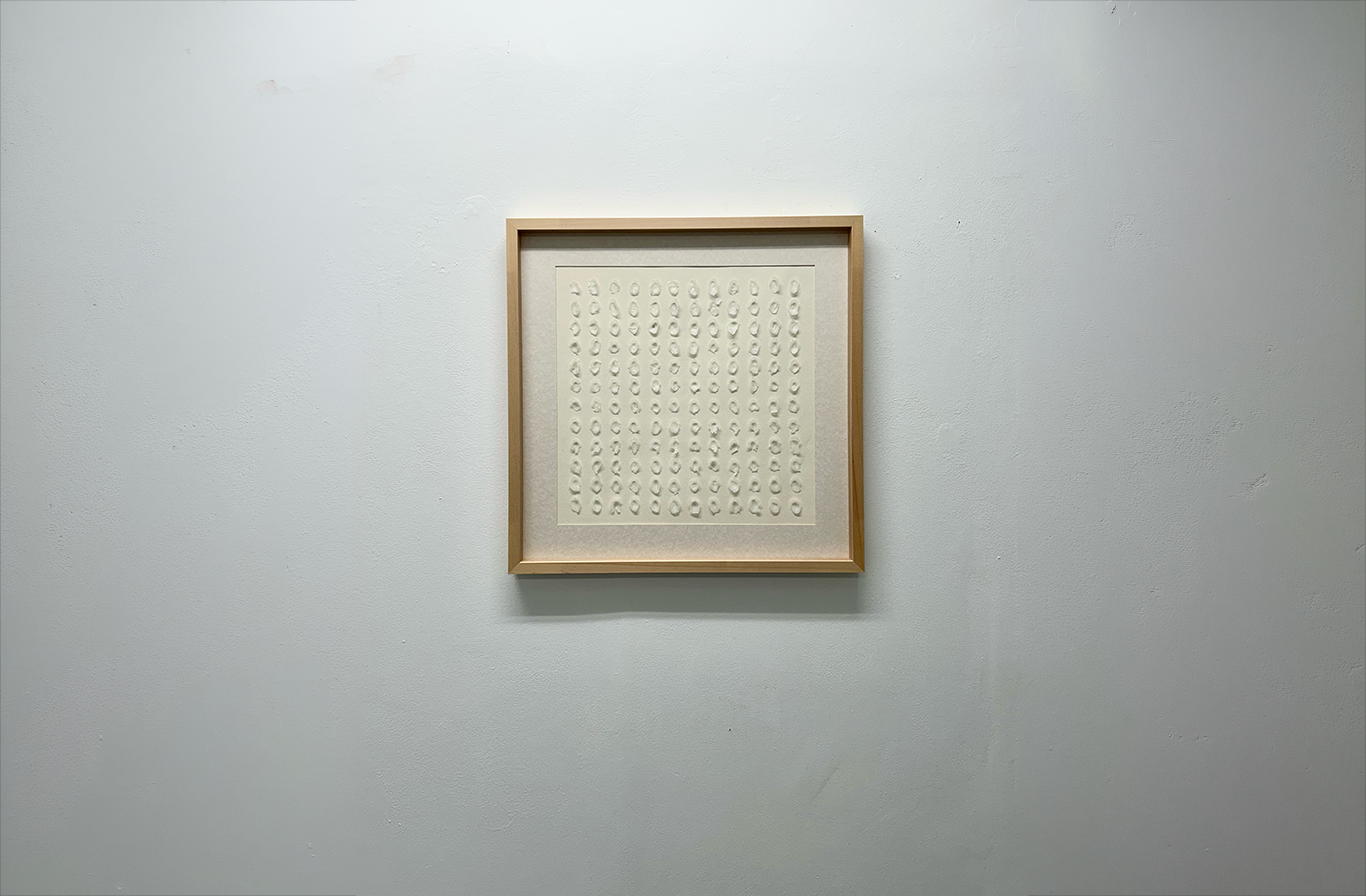
Fingerspitzengefühl, 2026
(Click the image to view the full content)
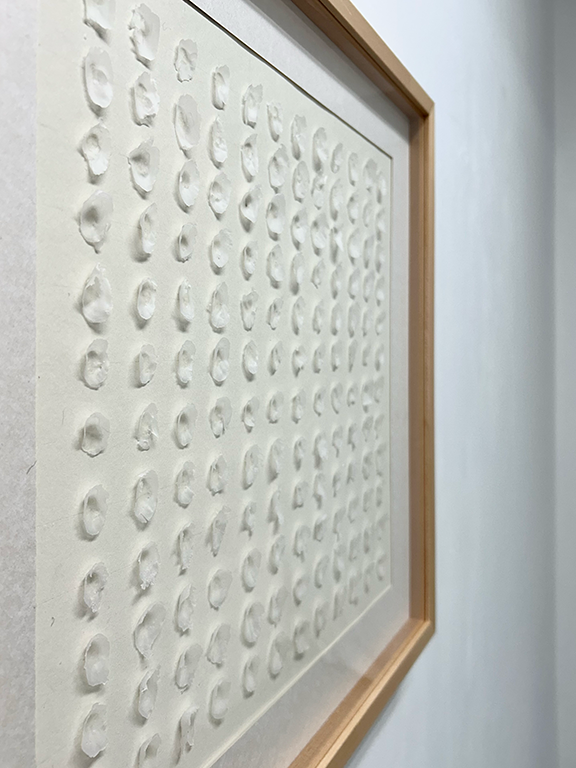
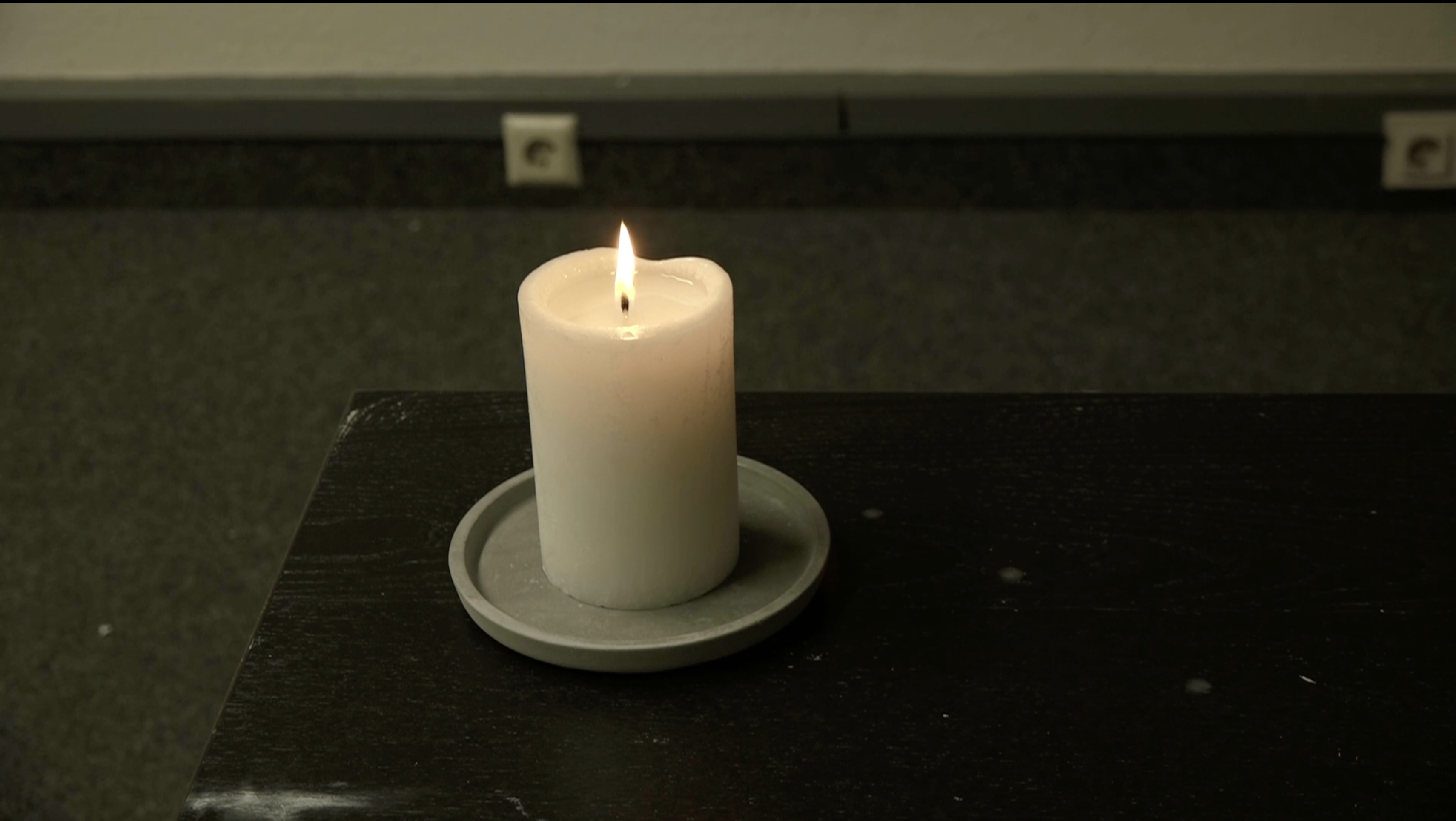
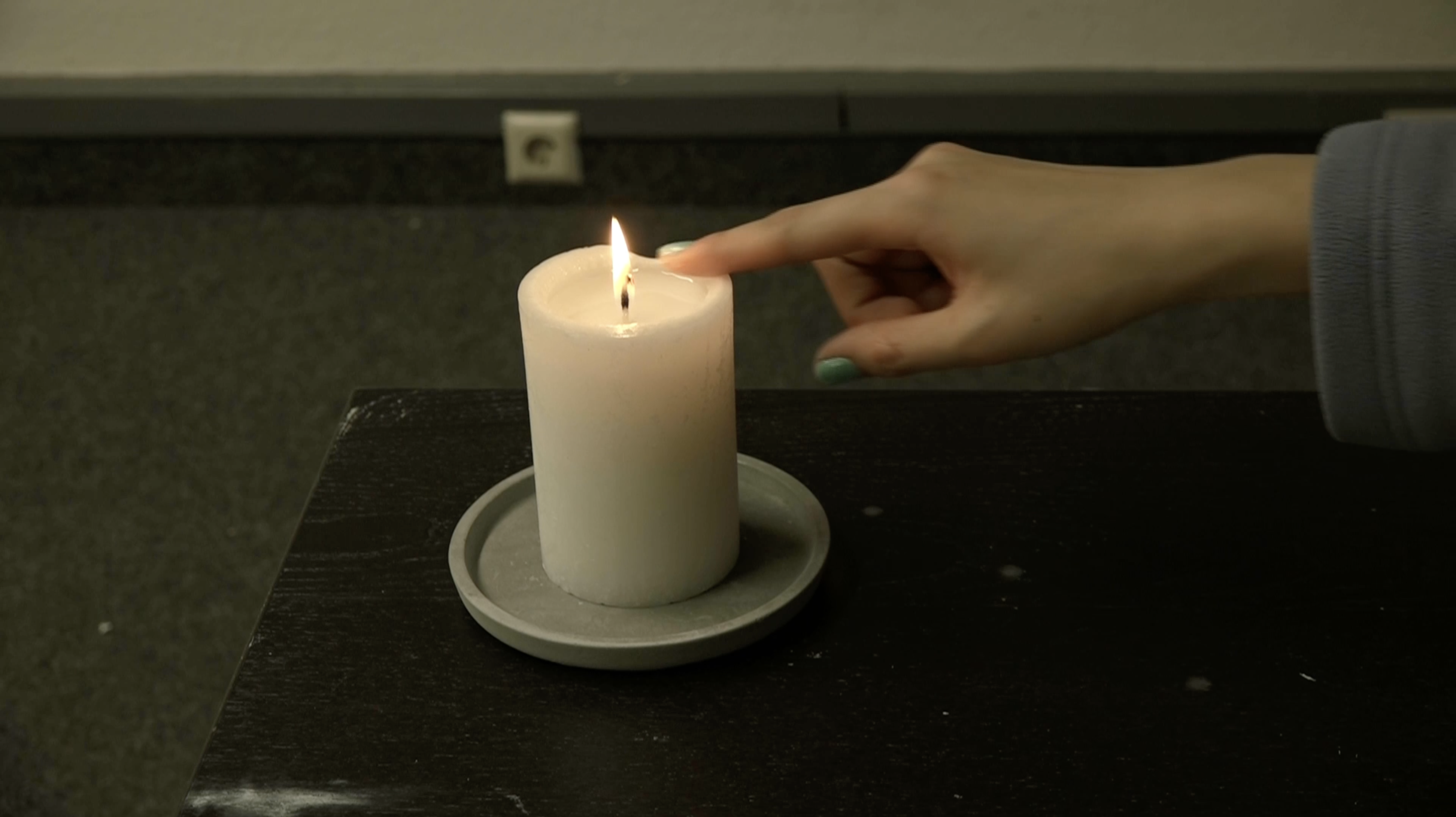
Paper, wax, performance video
This project explores the reception of a foreign language, the intersection of that language with personal experience, and a form of personalized “translation.”
As the artist became more familiar with German, she discovered that some German words have virtually no equivalent in Chinese. “Fingerspitzengefühl” is a prime example of this and remains one of the German words that has left the deepest impression on her. When the artist first heard this word, she couldn’t find a corresponding Chinese translation in her mind, but instead recalled a personal memory that resonated with it on another level: whenever there was a sudden power outage in the apartment and her family lit candles, the artist would dip her fingertips into the melted wax, wait for it to cool, then peel it off her fingers to examine the shape of her fingerprints. This is a very childish act and a deeply personal memory, yet surprisingly, almost every child has done something similar during their childhood. A word from a foreign language, once translated through personal experience, becomes disconnected from its “official” meaning and instead evokes a shared collective memory.
Paper, wax, performance video
This project explores the reception of a foreign language, the intersection of that language with personal experience, and a form of personalized “translation.”
As the artist became more familiar with German, she discovered that some German words have virtually no equivalent in Chinese. “Fingerspitzengefühl” is a prime example of this and remains one of the German words that has left the deepest impression on her. When the artist first heard this word, she couldn’t find a corresponding Chinese translation in her mind, but instead recalled a personal memory that resonated with it on another level: whenever there was a sudden power outage in the apartment and her family lit candles, the artist would dip her fingertips into the melted wax, wait for it to cool, then peel it off her fingers to examine the shape of her fingerprints. This is a very childish act and a deeply personal memory, yet surprisingly, almost every child has done something similar during their childhood. A word from a foreign language, once translated through personal experience, becomes disconnected from its “official” meaning and instead evokes a shared collective memory.
Inhale, Exhale, 2026
(Click the image to view the full content)
Performance
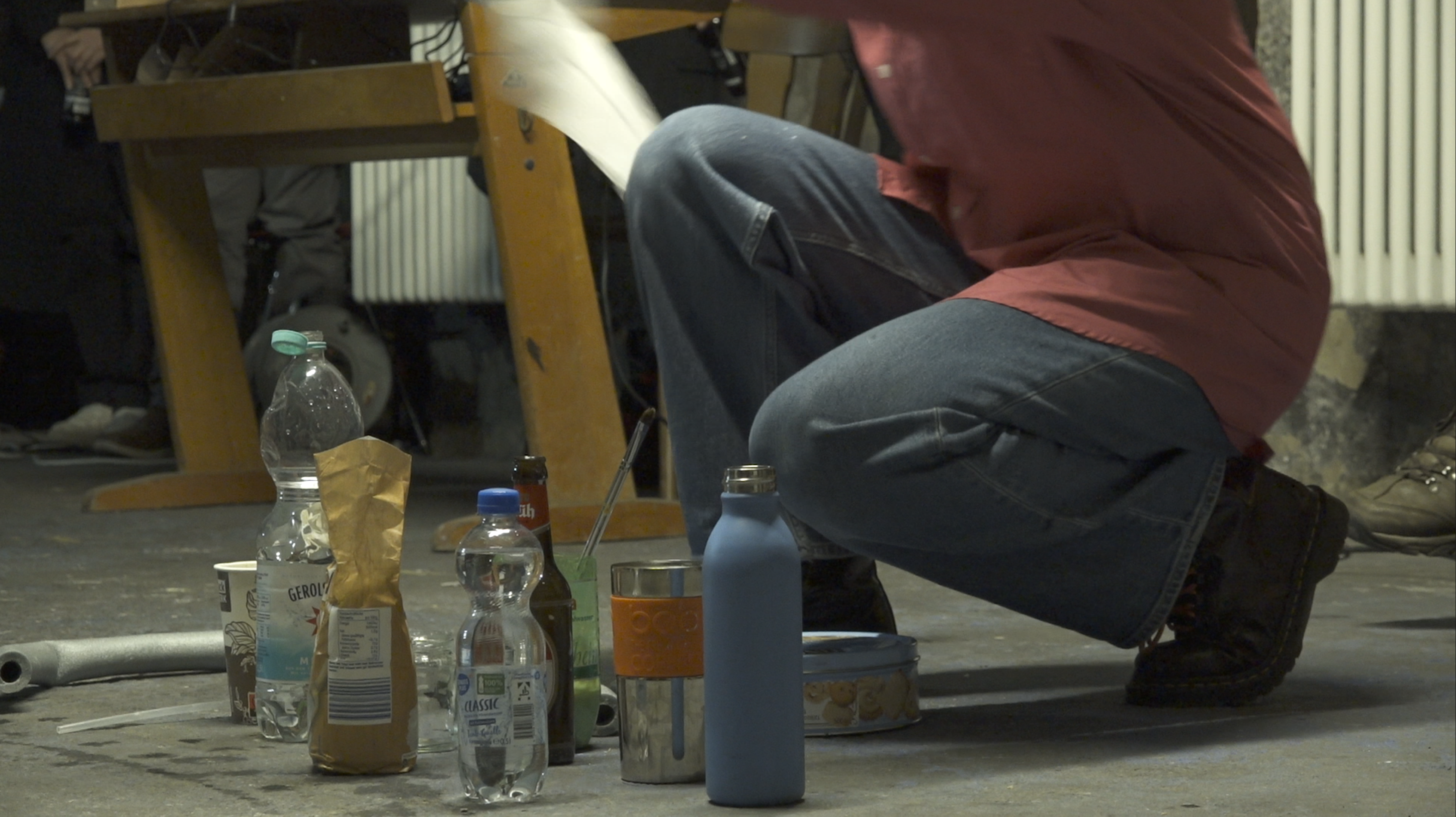
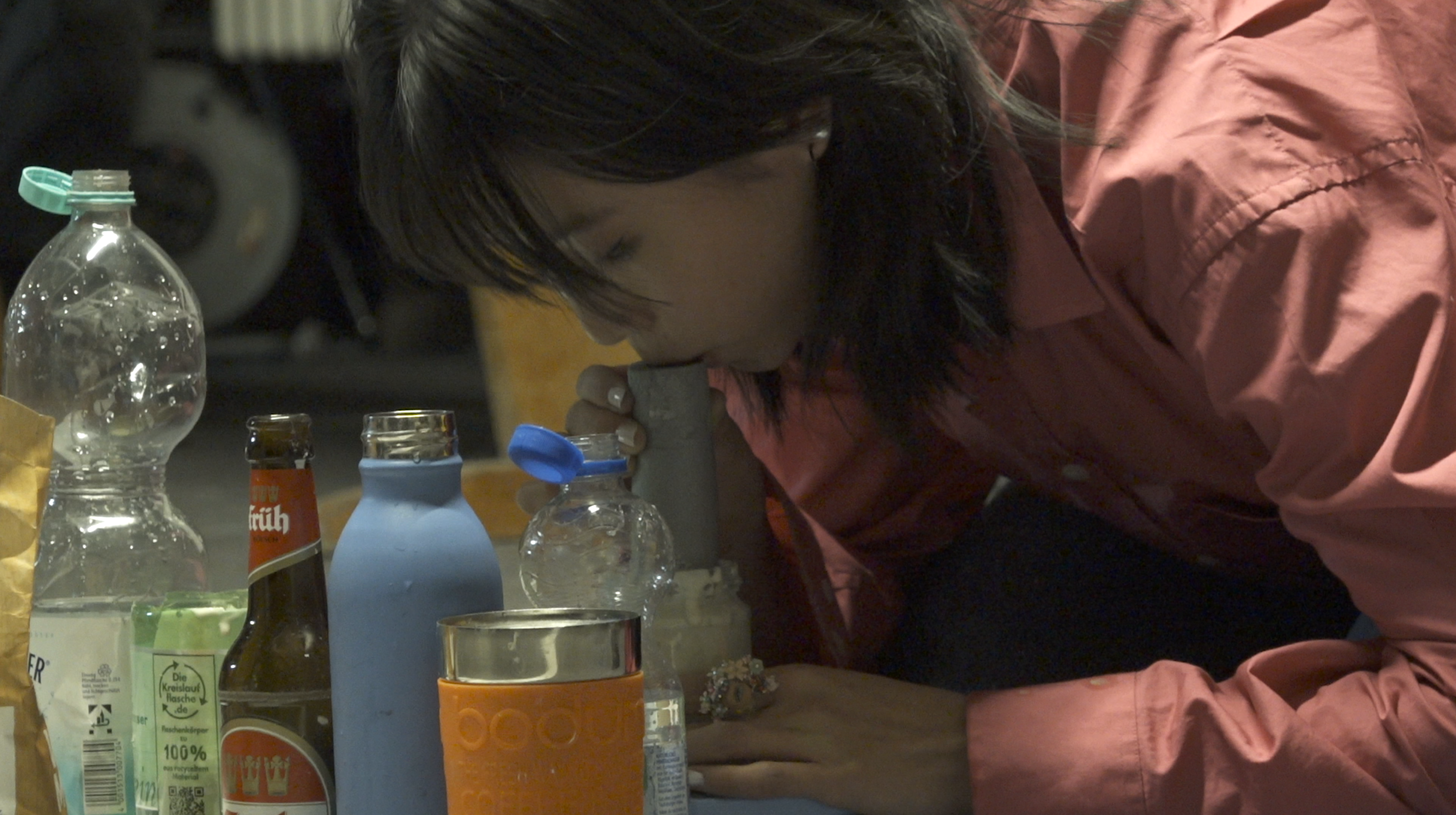
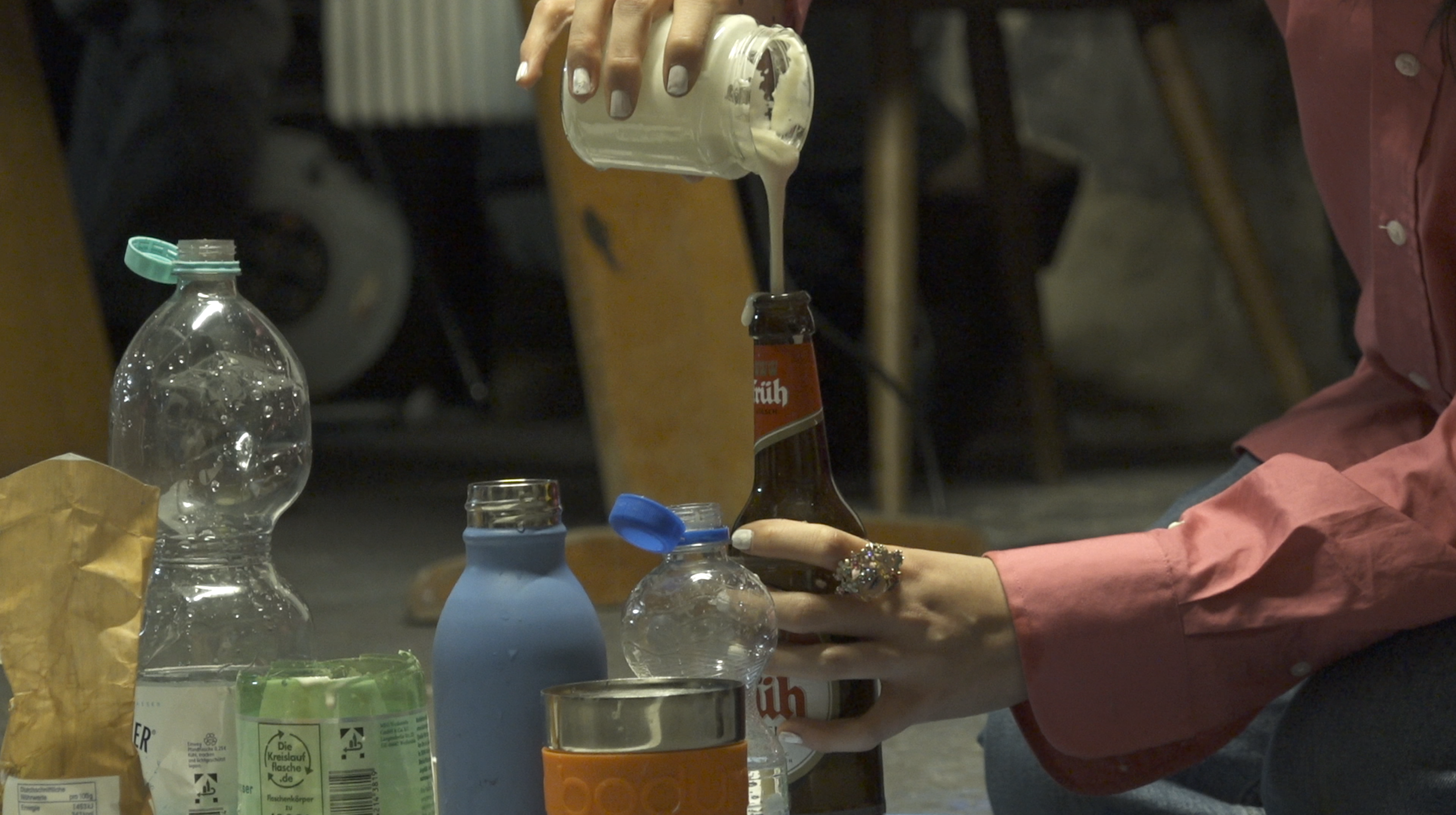
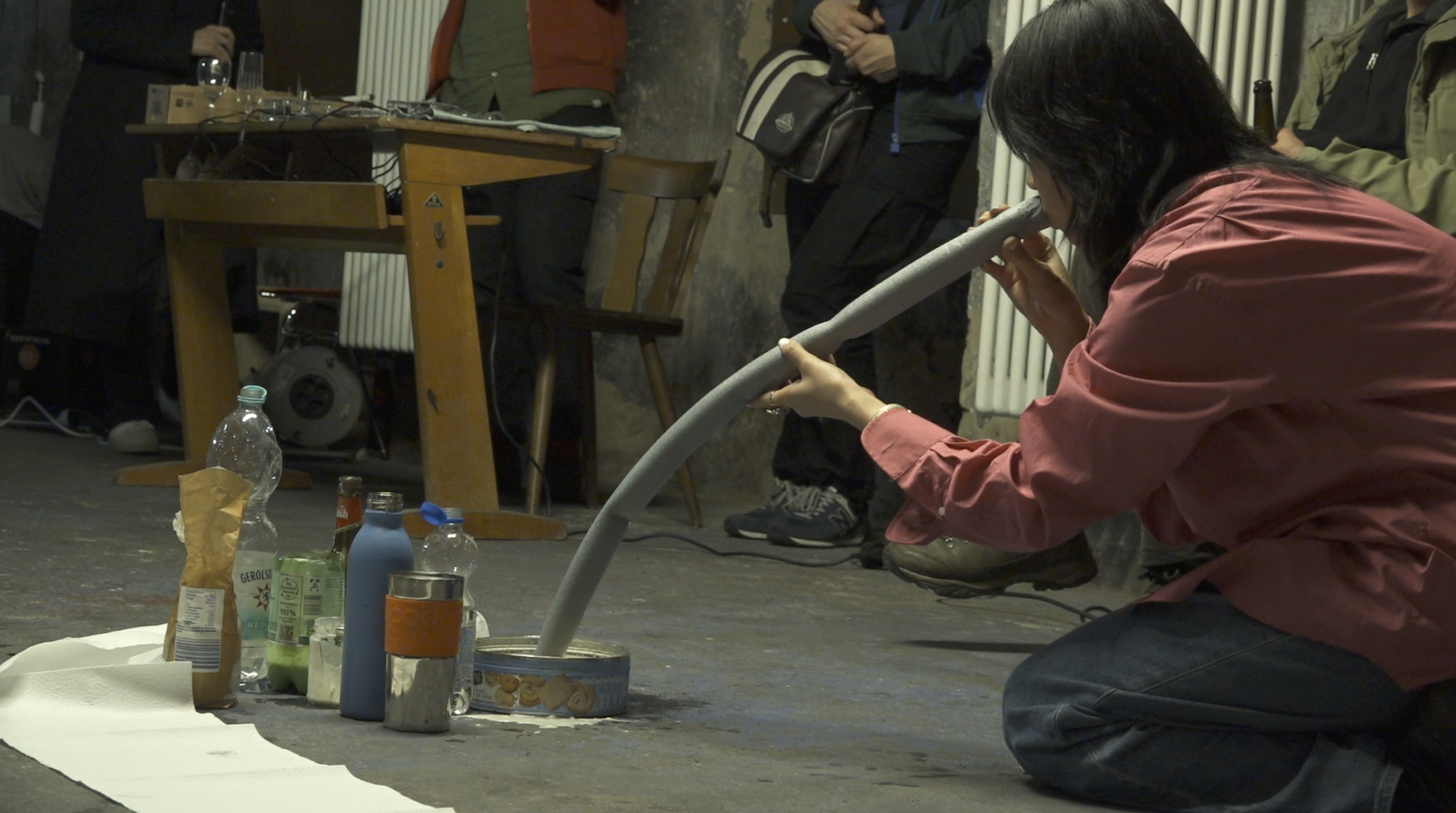
Water bottle, jam jar, beer bottle, cookie jar, water, flour, straw, plastic sponge tube
Nearly all the materials used in this performance carry metaphors of either containment or intrusion; for example, all cups and bottles represent containment, while all straws, liquids, and the act of “blowing” itself represent intrusion. The combination of these two qualities evokes numerous associations, but the artist’s primary focus here is on the subject of eroticism and power dynamics. In particular, the act of mixing flour and water to create a white, viscous liquid serves as a clearer illustration of this metaphor. Through the playful act of “blowing,” the artist aims to satirize the inherent power advantage associated with so-called invasive themes within this metaphorical framework.
Performance
Water bottle, jam jar, beer bottle, cookie jar, water, flour, straw, plastic sponge tube
Nearly all the materials used in this performance carry metaphors of either containment or intrusion; for example, all cups and bottles represent containment, while all straws, liquids, and the act of “blowing” itself represent intrusion. The combination of these two qualities evokes numerous associations, but the artist’s primary focus here is on the subject of eroticism and power dynamics. In particular, the act of mixing flour and water to create a white, viscous liquid serves as a clearer illustration of this metaphor. Through the playful act of “blowing,” the artist aims to satirize the inherent power advantage associated with so-called invasive themes within this metaphorical framework.
Übernächtigung, 2026
(Click the image to view the full content)
Sound Installation
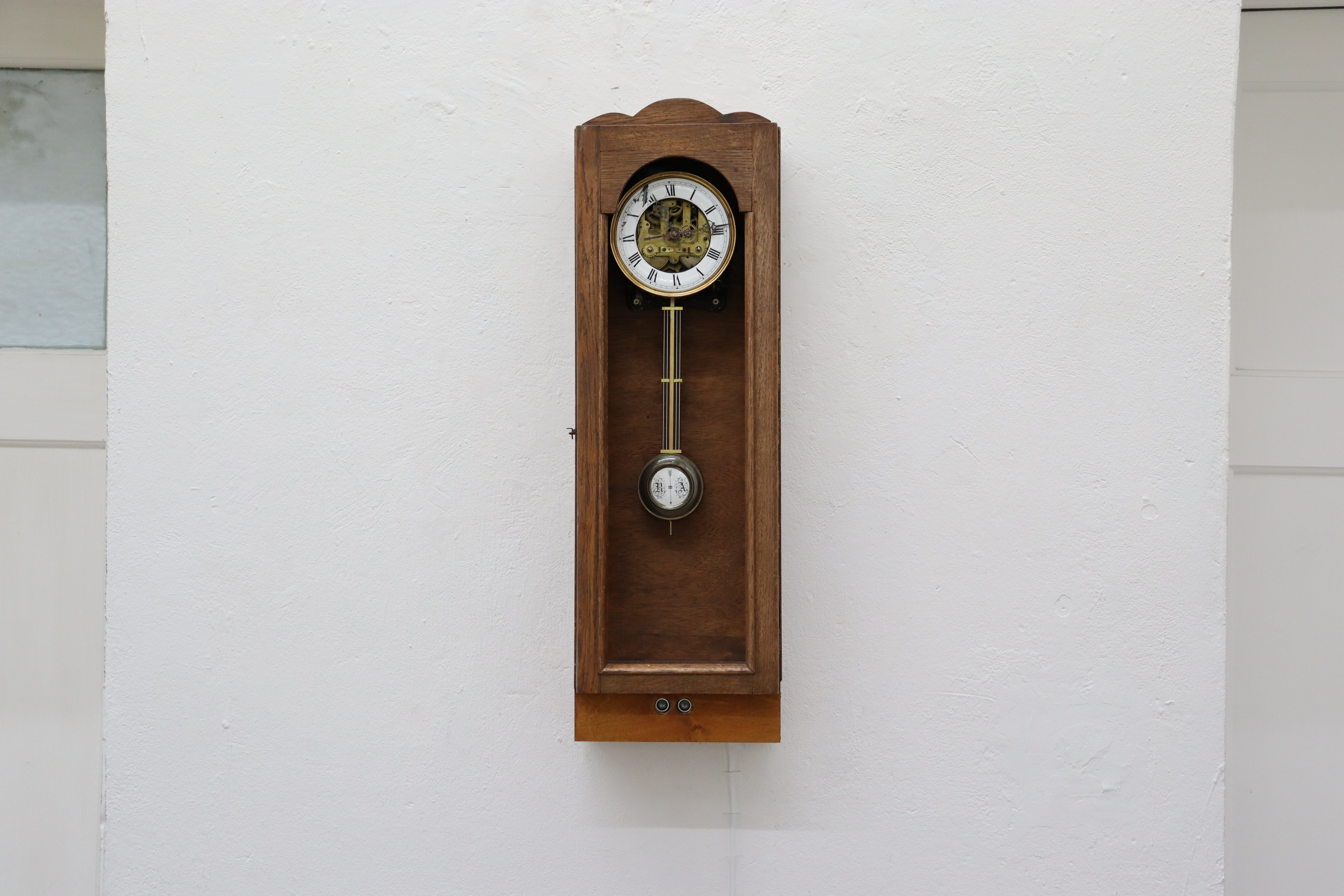
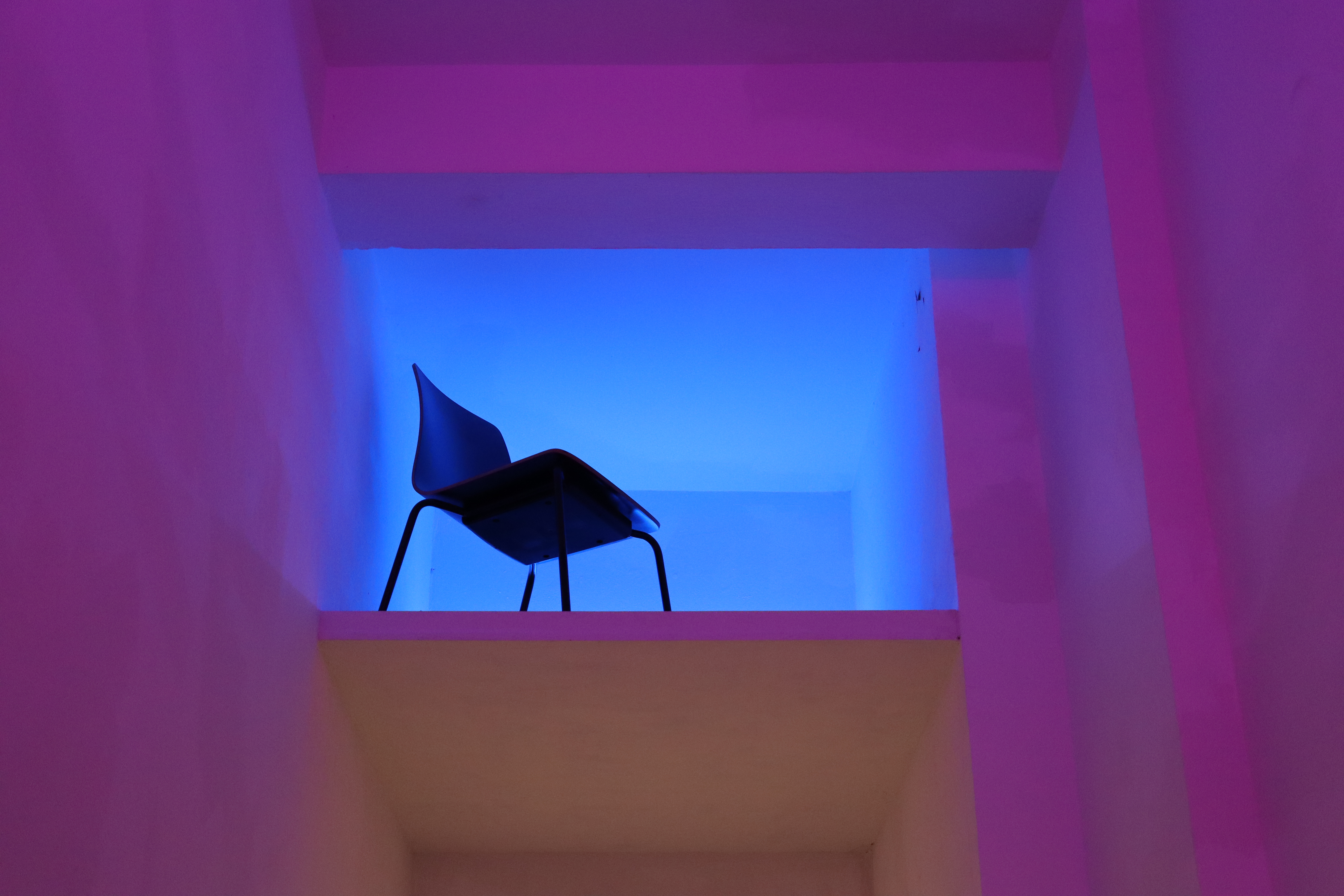
Clock, chair, motor engines
The work primarily consists of an invisible sound installation and an uncontrollable sound installation, embodying the liberating power of sound—its invisibility and uncontrollability. During my collective university life in China, the sound of chairs scraping against the floor, transmitted through the ceiling, always filled me with inexplicable anxiety and kept me awake. I believe this anxiety stemmed first from the direction and timbre of the sound, and second from the invisibility and uncontrollability of its source. Within an artificially constructed ceiling, two mechanical devices continuously push and pull chairs, generating sharp scraping sounds as they rub against the floor. Passersby beneath the ceiling can clearly hear the noise, yet the installation itself remains perpetually invisible.
Another component of the work is the inner mechanism of a clock, embedded with sensors that detect nearby presence. When someone approaches, the clock's time accelerates, and the rhythm of its chimes quickens—as if time itself is fleeing, and the sound is fleeing with it.
Furthermore, juxtaposing a visible sound installation with an invisible one prompts reflection: What exactly constitutes a sound installation? If the “installation” component of a “sound installation” remains unseen, does it still qualify as such for the audience? And how crucial are visual elements in defining a sound installation
Sound Installation
Clock, chair, motor engines
The work primarily consists of an invisible sound installation and an uncontrollable sound installation, embodying the liberating power of sound—its invisibility and uncontrollability. During my collective university life in China, the sound of chairs scraping against the floor, transmitted through the ceiling, always filled me with inexplicable anxiety and kept me awake. I believe this anxiety stemmed first from the direction and timbre of the sound, and second from the invisibility and uncontrollability of its source. Within an artificially constructed ceiling, two mechanical devices continuously push and pull chairs, generating sharp scraping sounds as they rub against the floor. Passersby beneath the ceiling can clearly hear the noise, yet the installation itself remains perpetually invisible.
Another component of the work is the inner mechanism of a clock, embedded with sensors that detect nearby presence. When someone approaches, the clock's time accelerates, and the rhythm of its chimes quickens—as if time itself is fleeing, and the sound is fleeing with it.
Furthermore, juxtaposing a visible sound installation with an invisible one prompts reflection: What exactly constitutes a sound installation? If the “installation” component of a “sound installation” remains unseen, does it still qualify as such for the audience? And how crucial are visual elements in defining a sound installation
FuHua Skyscraper, 2024-2026
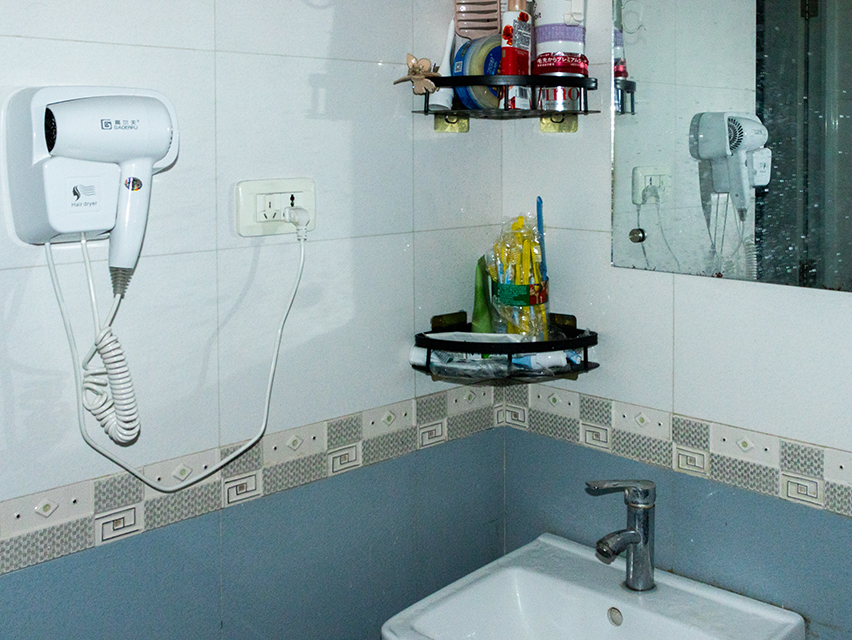
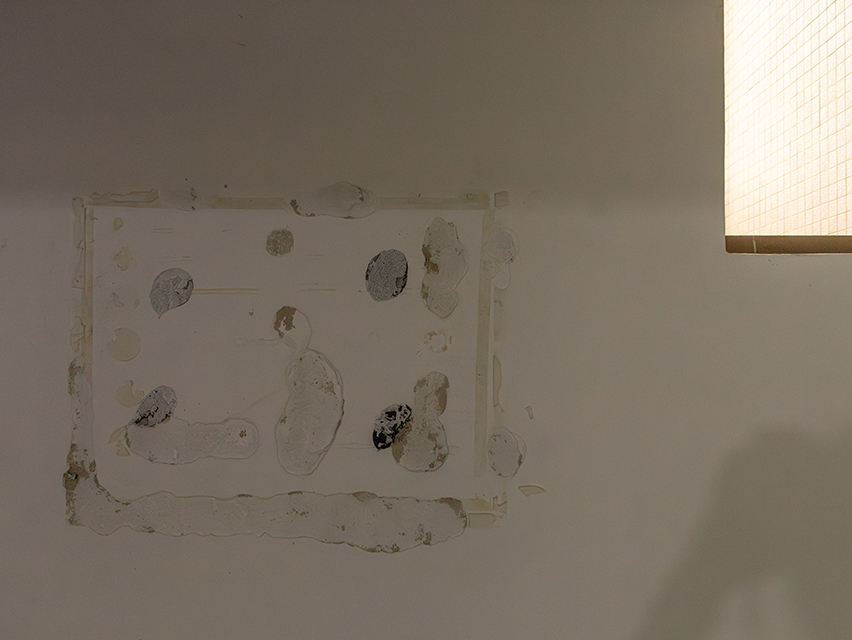
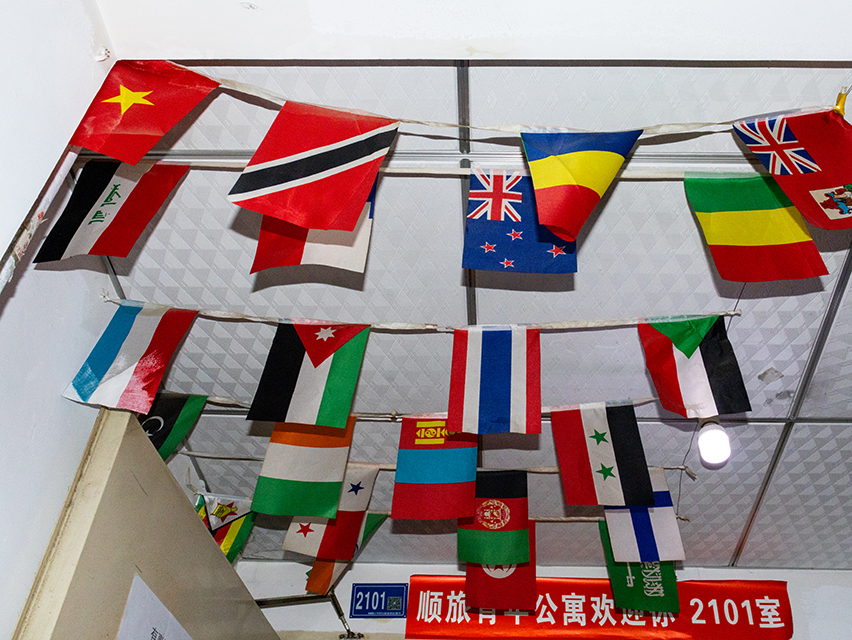
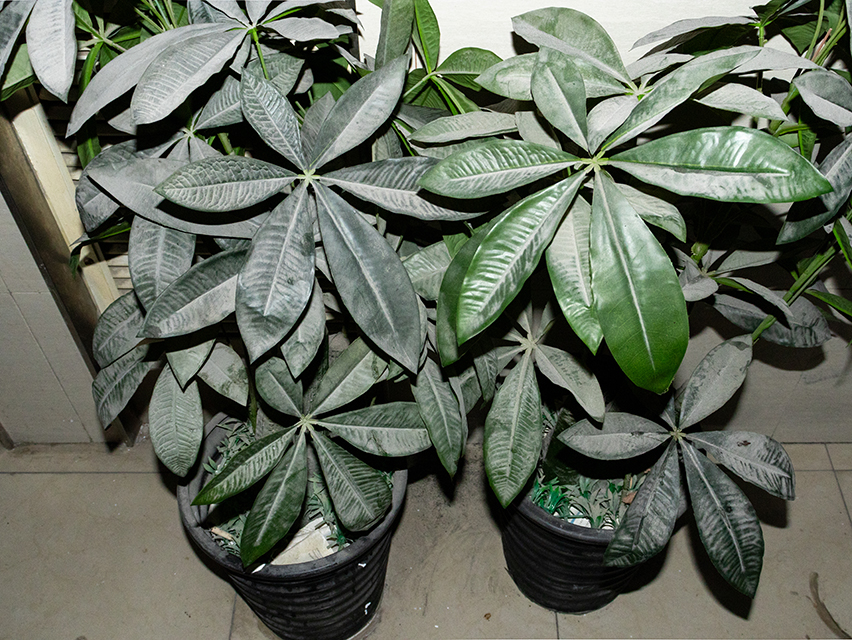
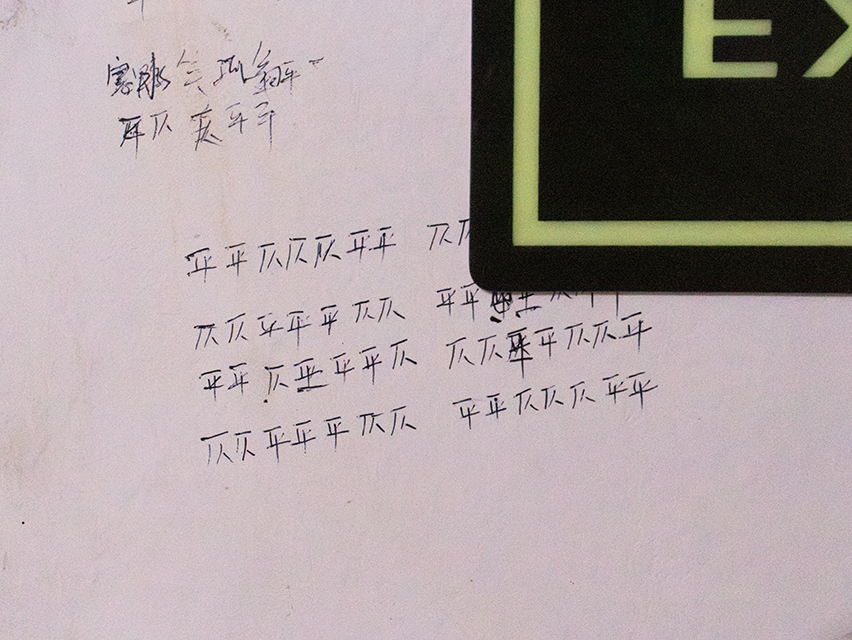
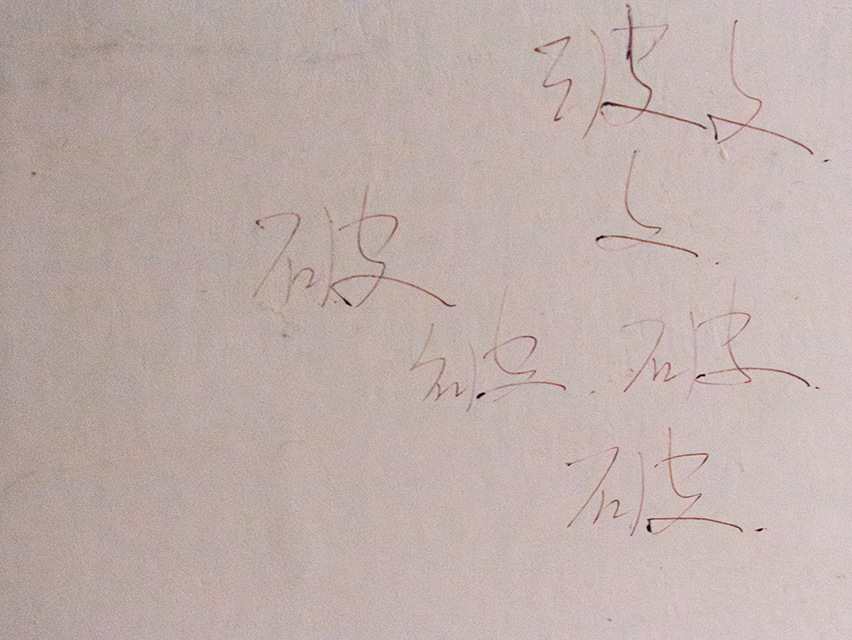
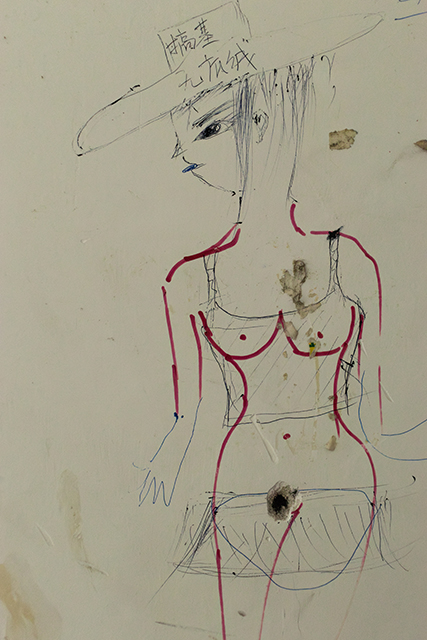
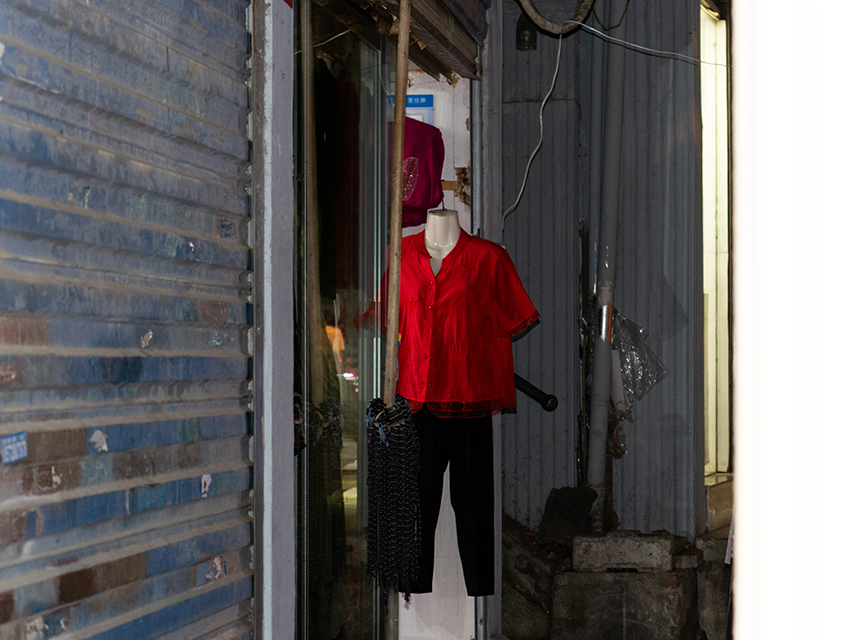
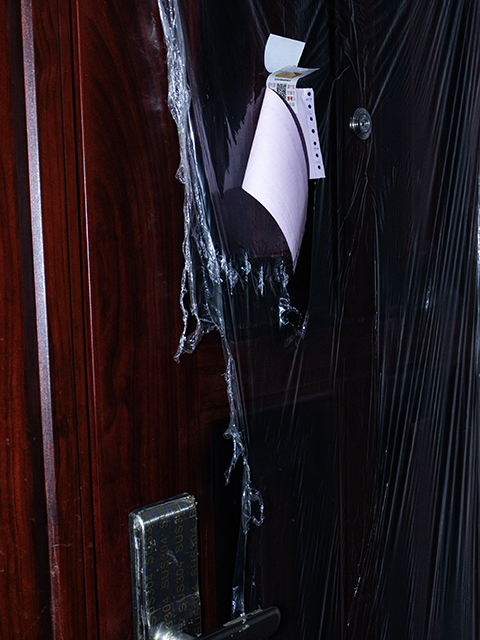
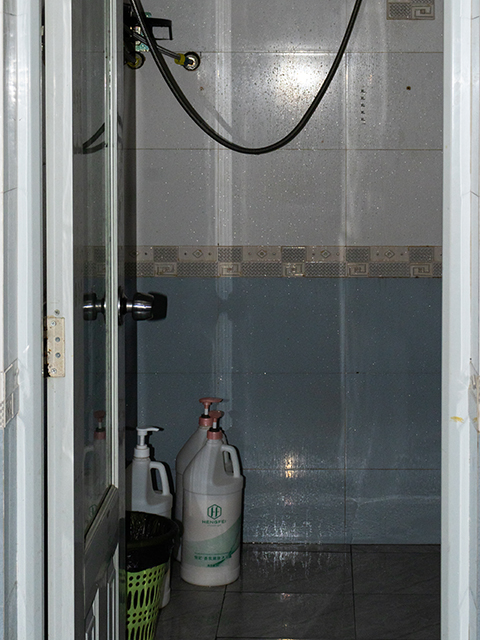
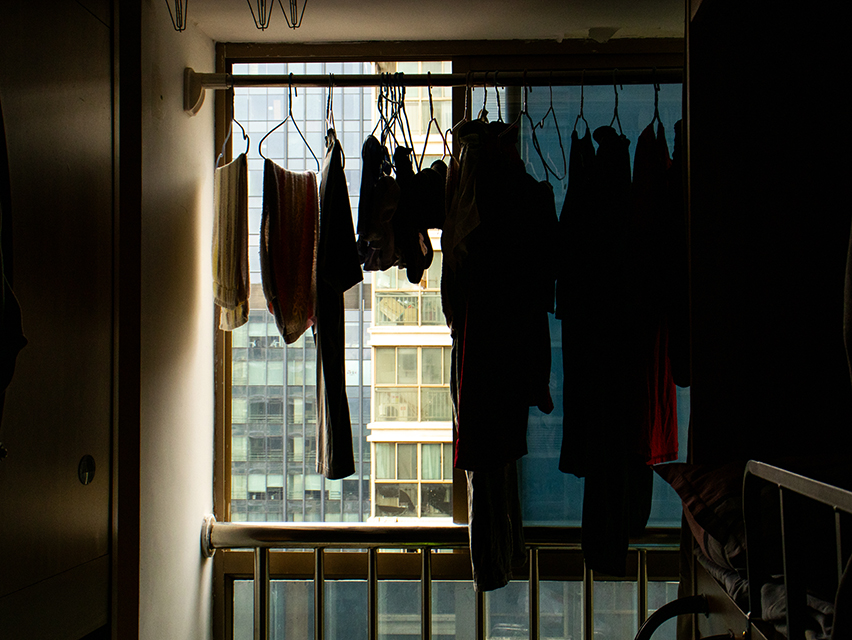
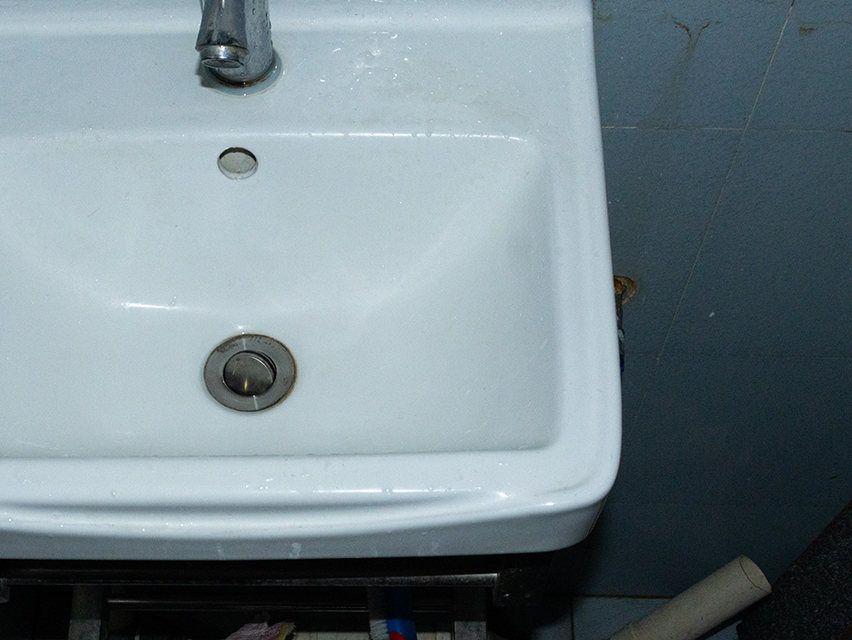
(Click the image to view the full content)
Photography, drawing
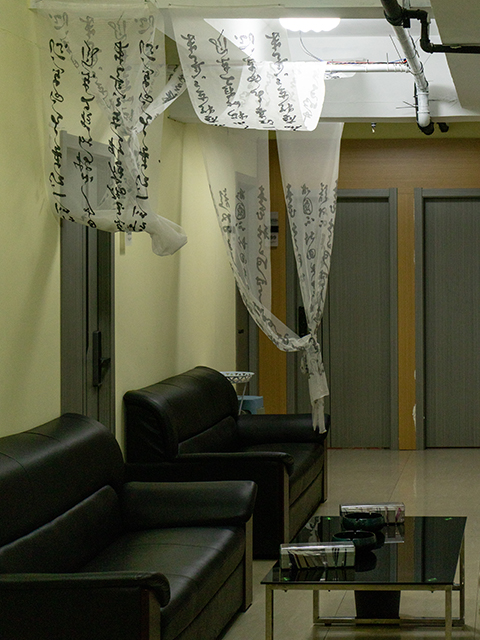
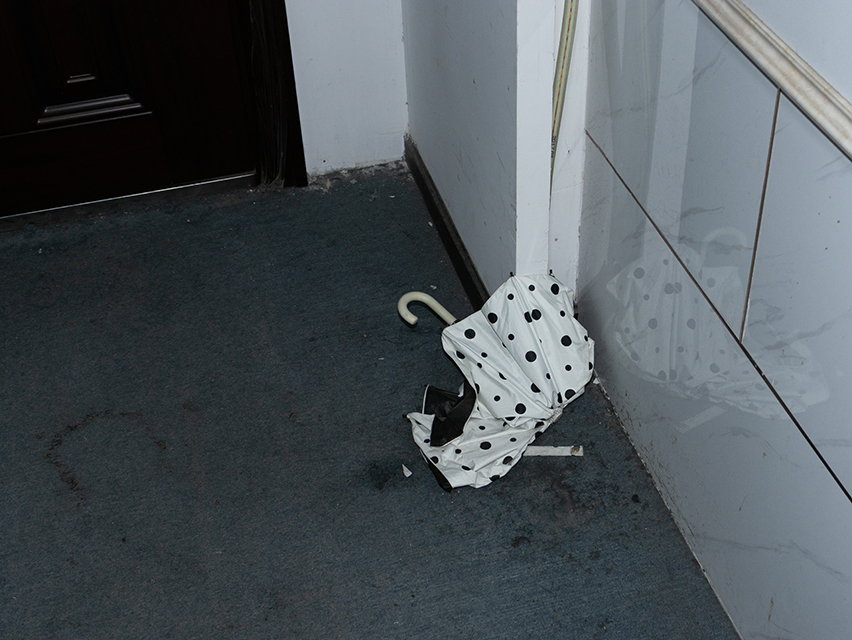
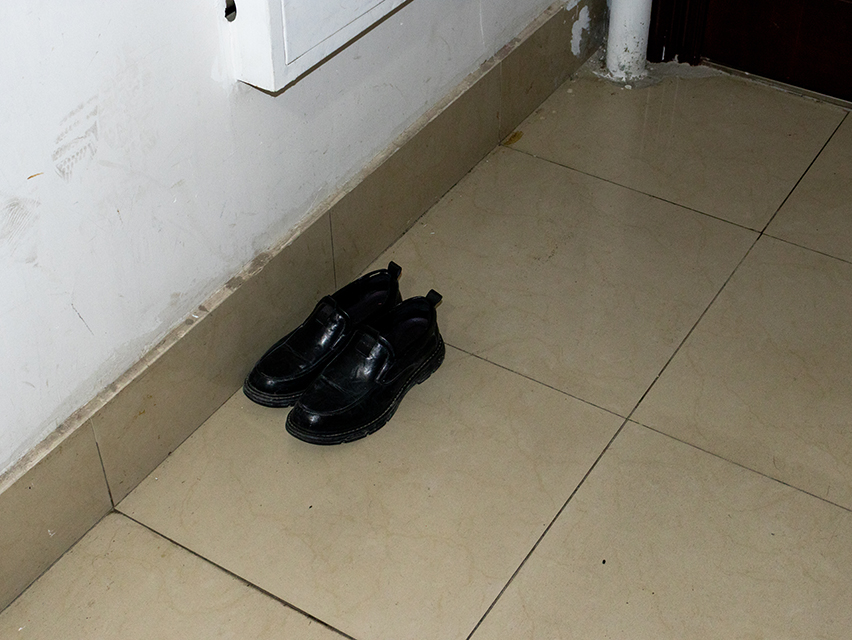
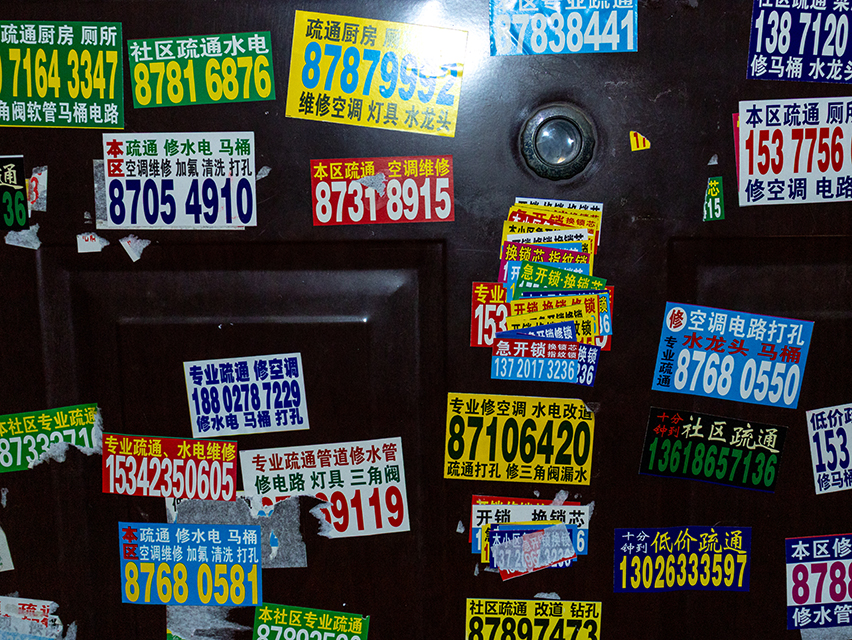
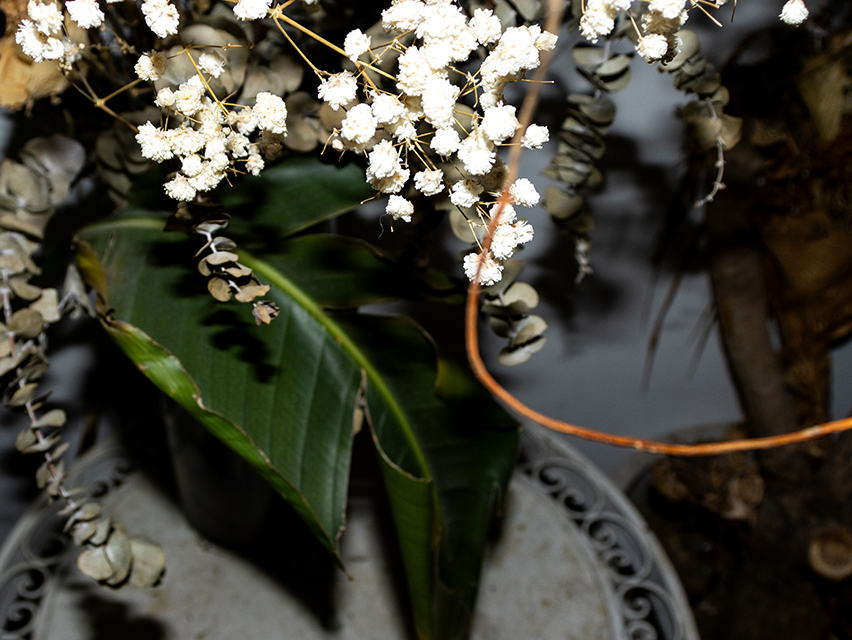
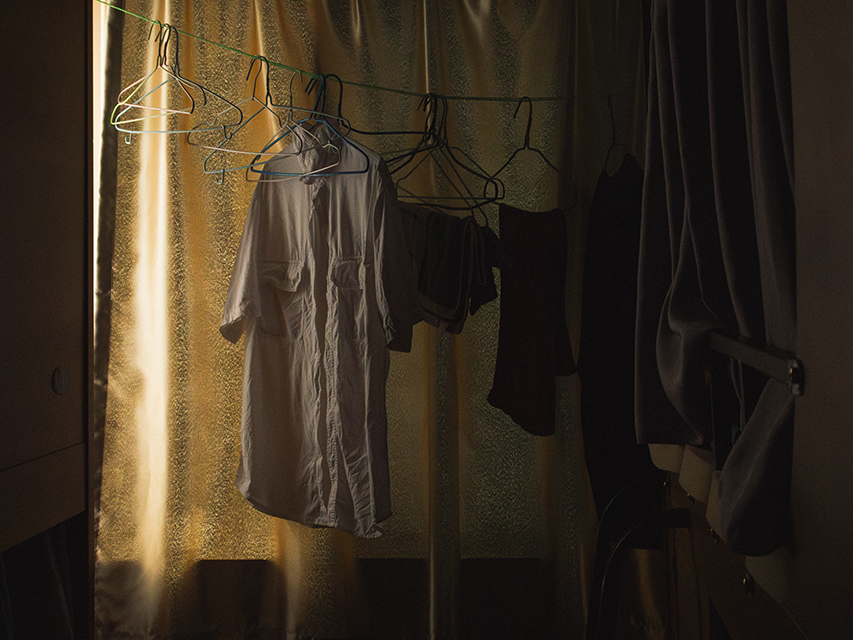
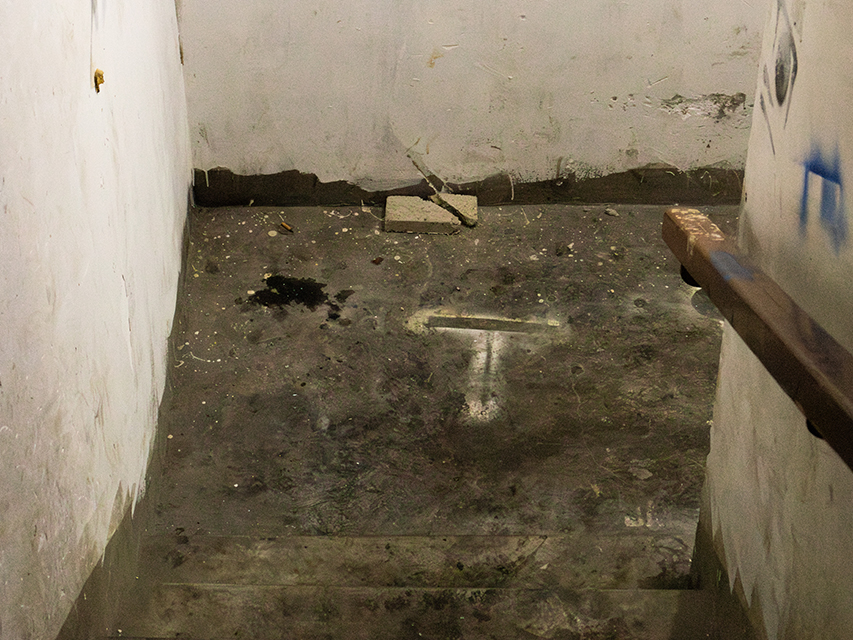
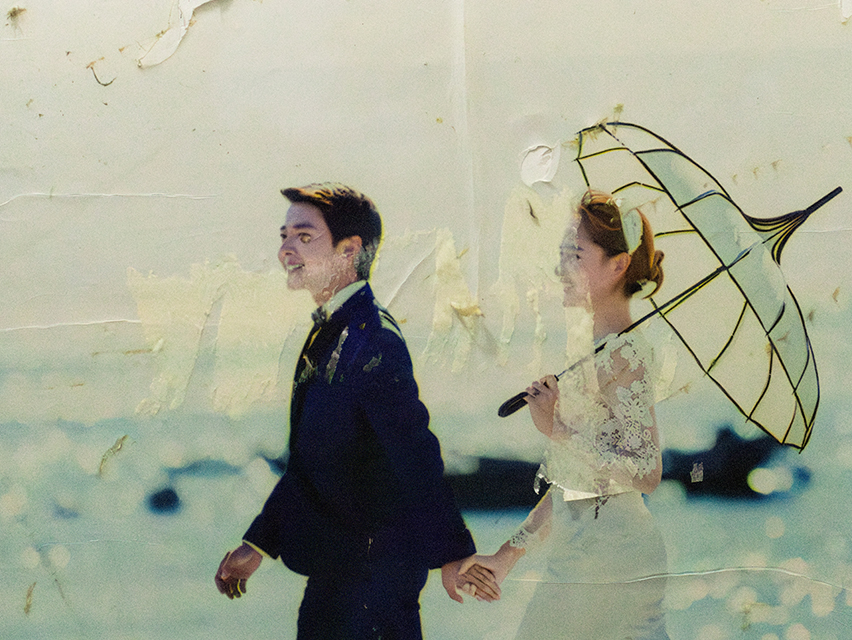
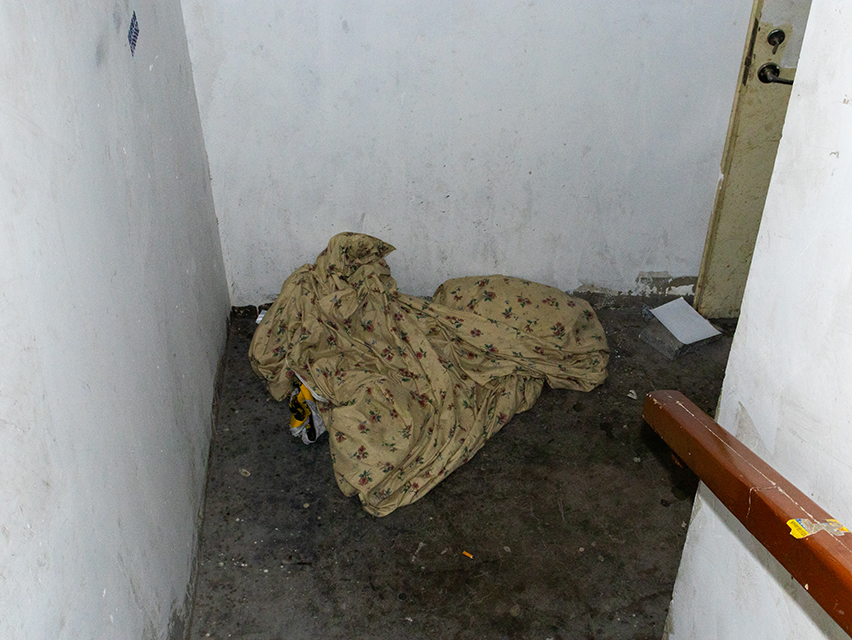
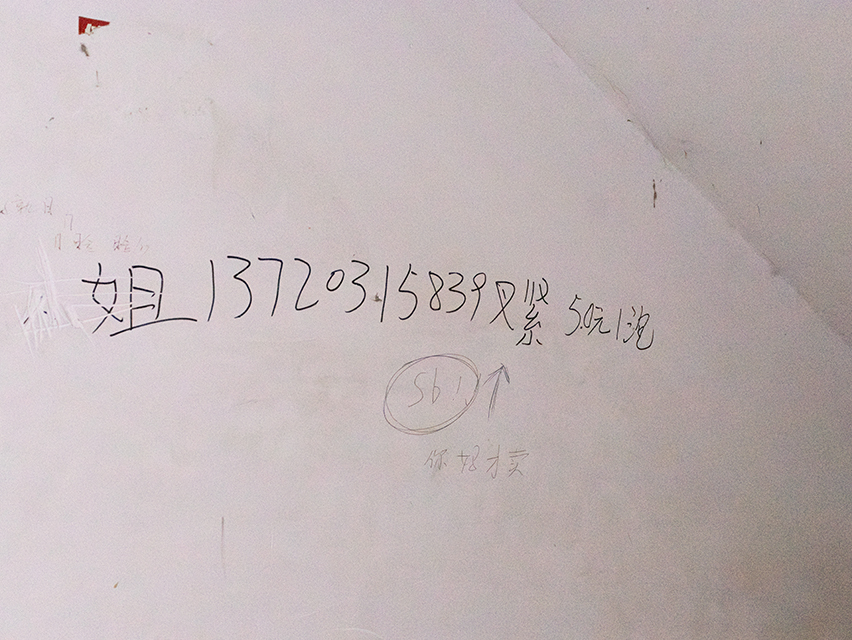
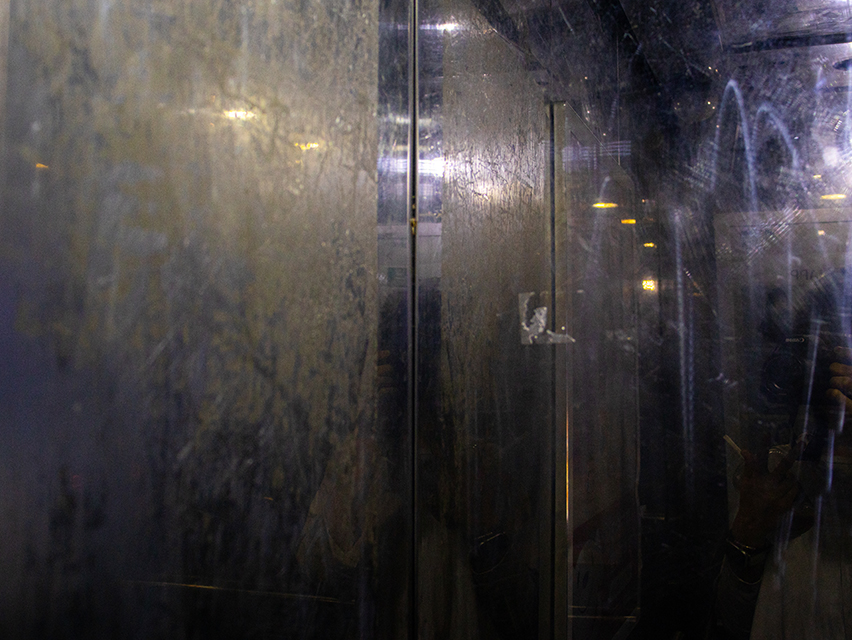
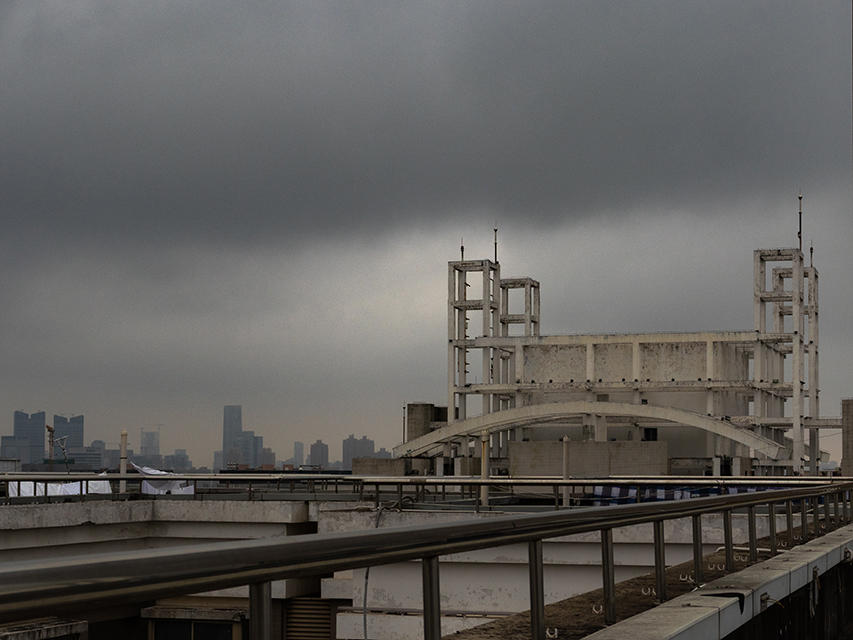
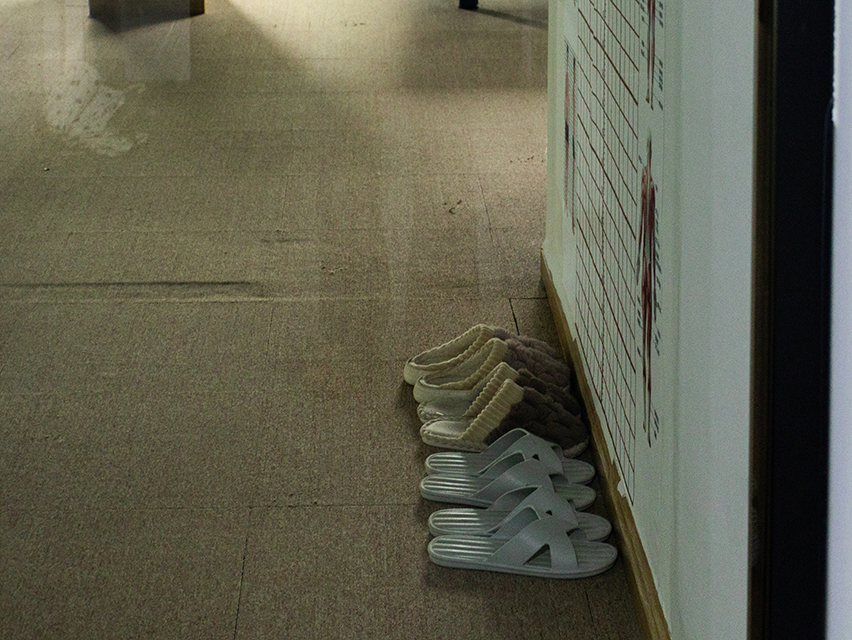
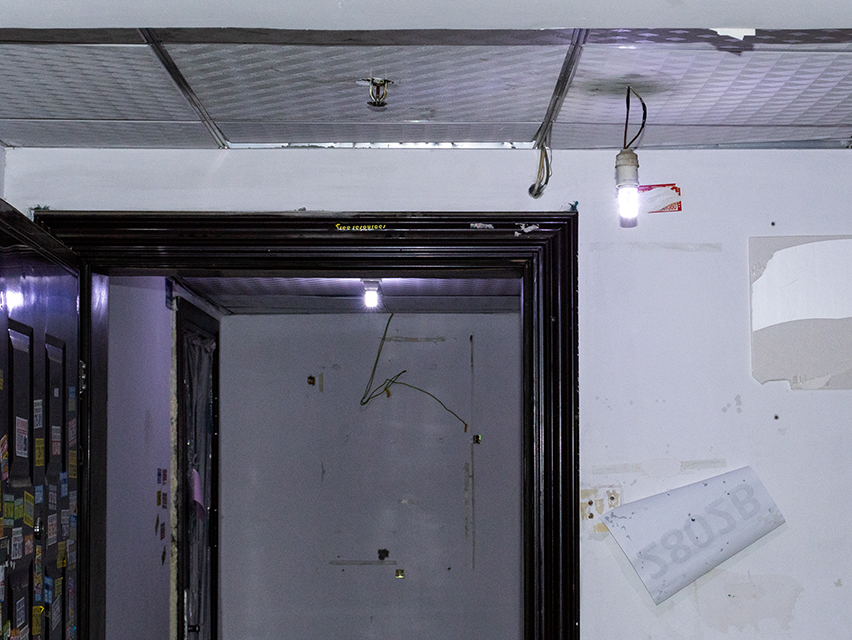
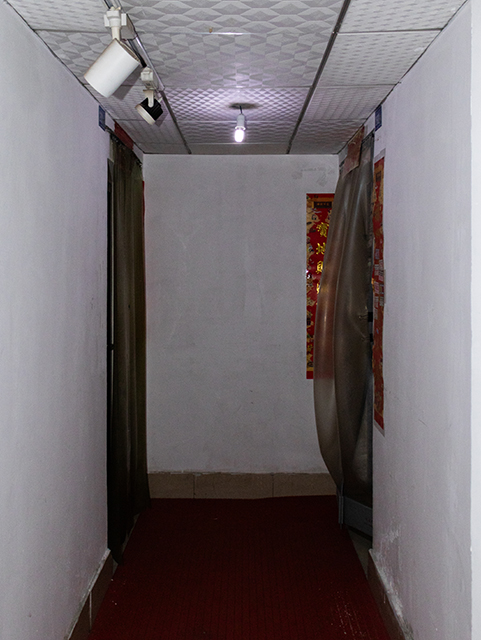
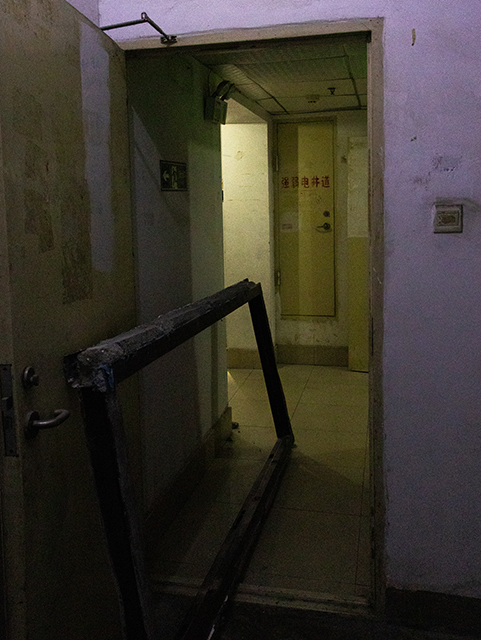
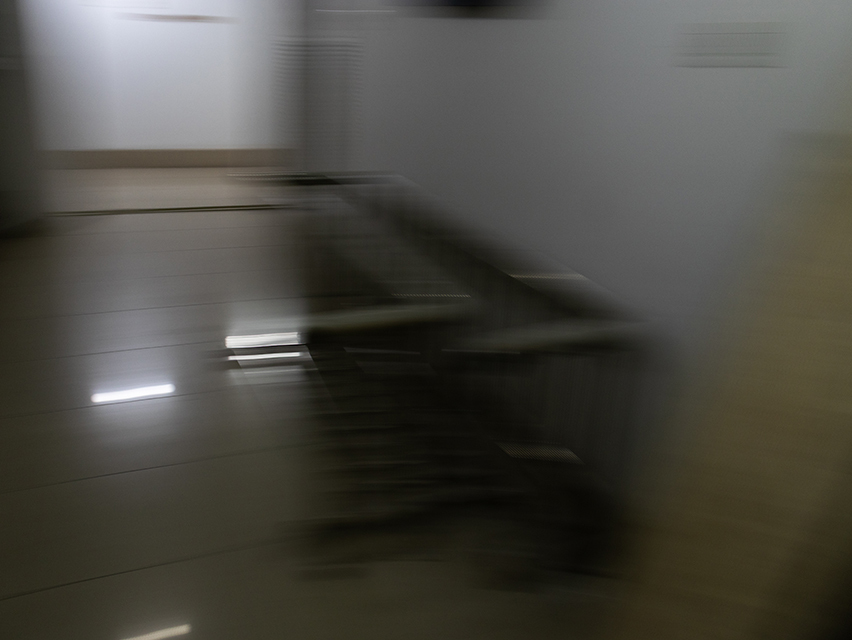
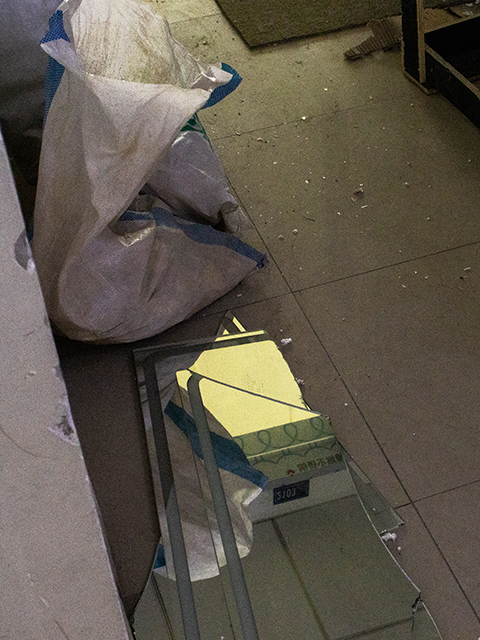
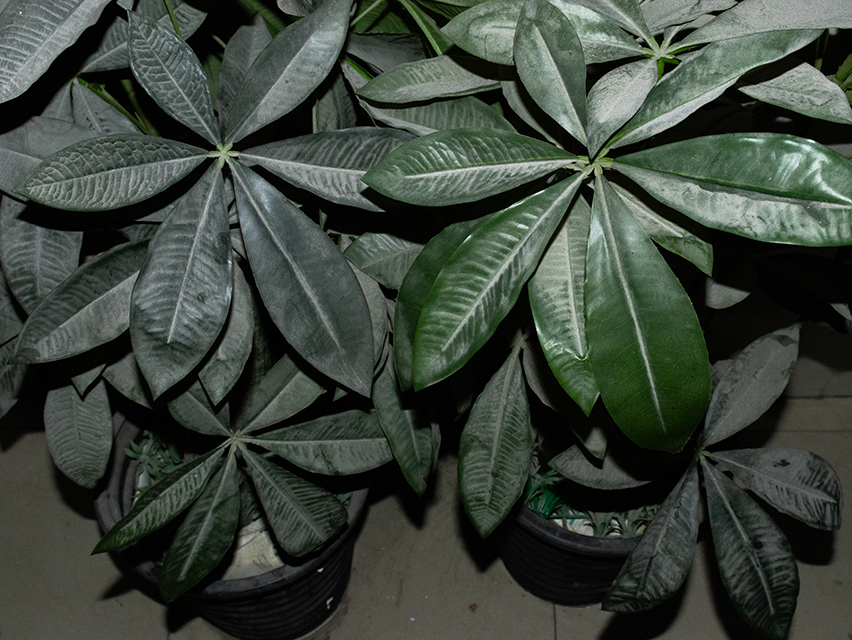
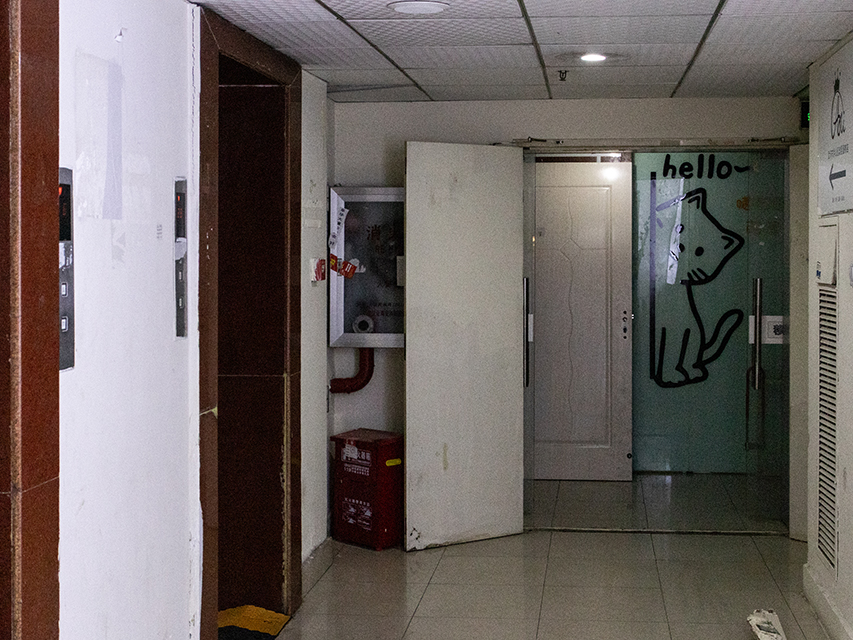
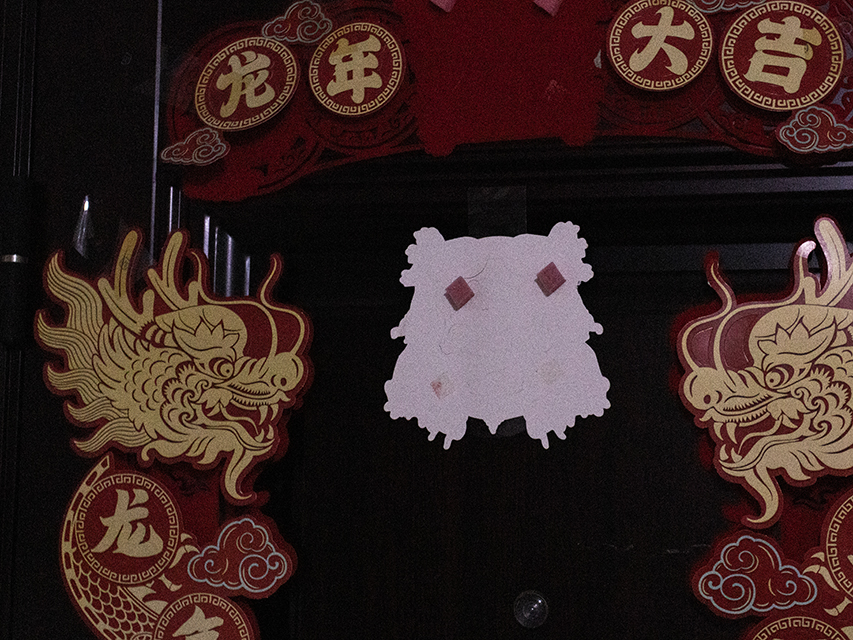
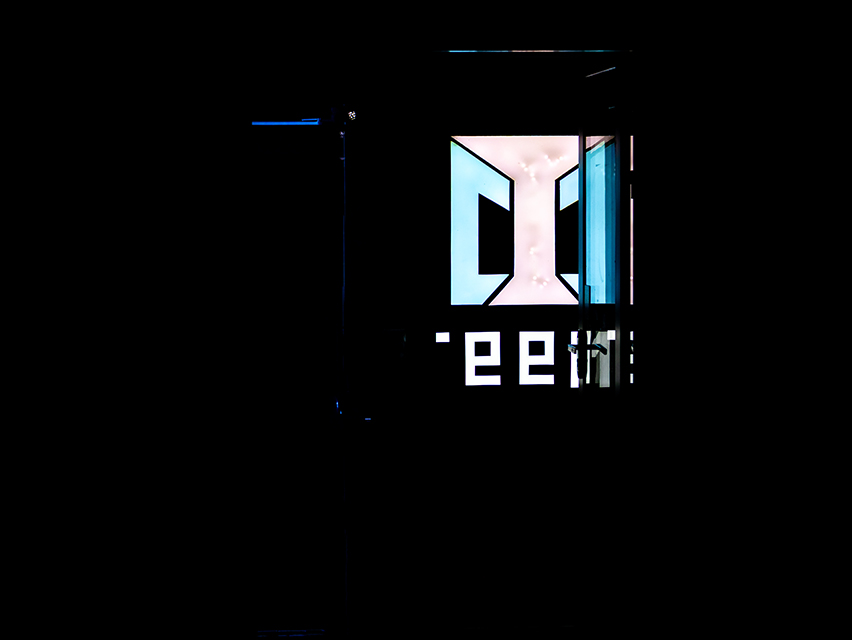
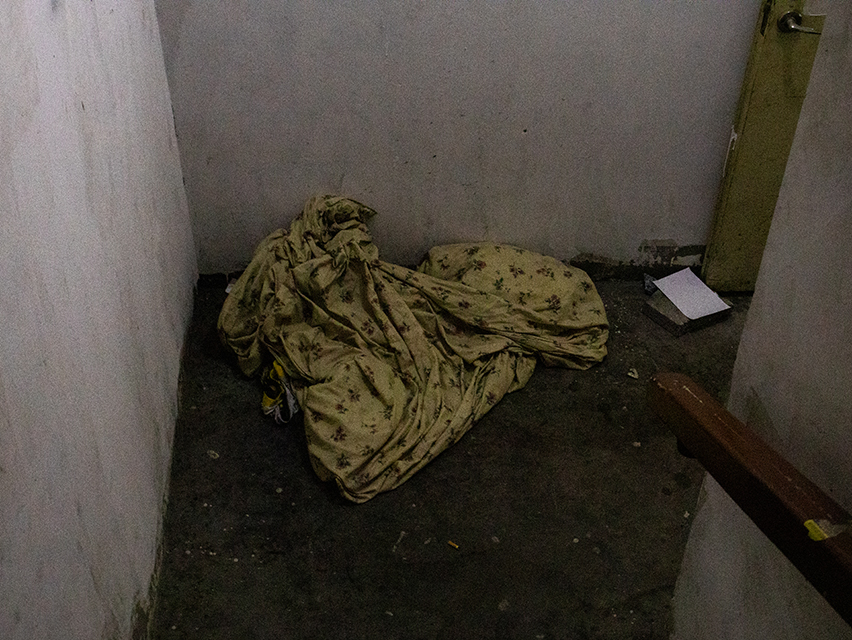
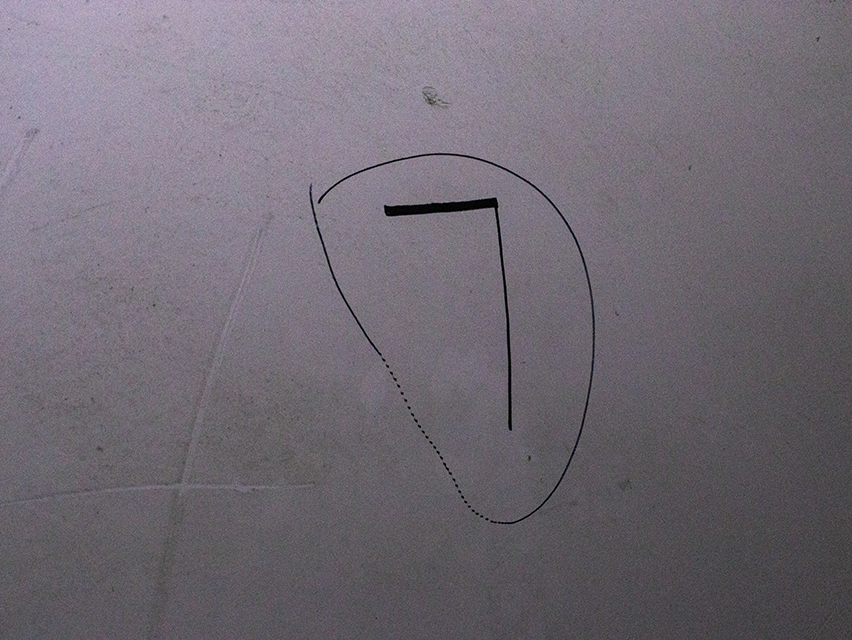
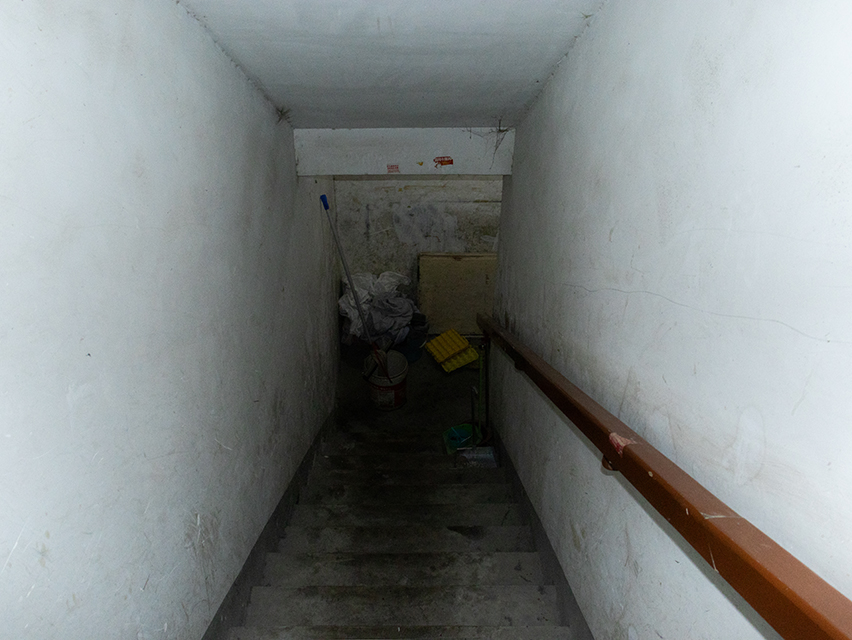
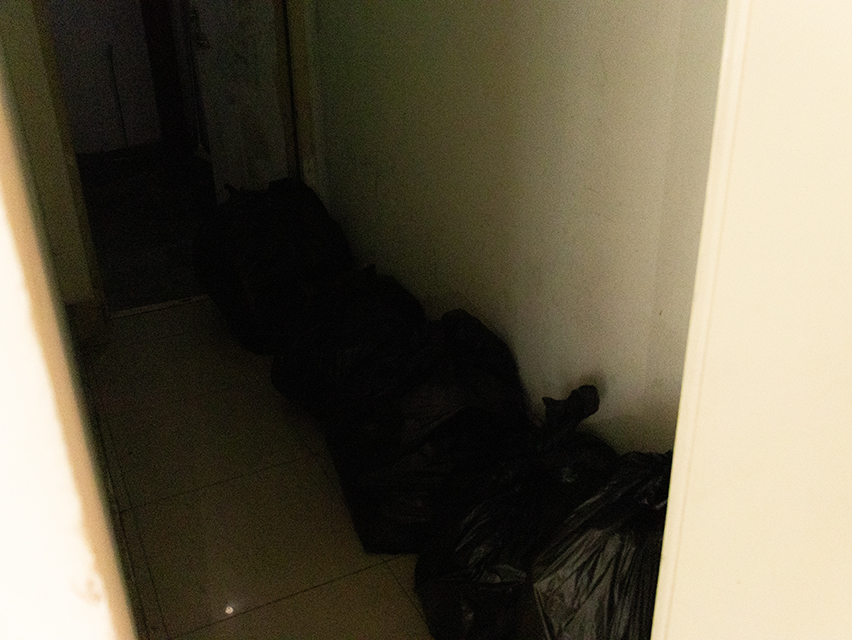
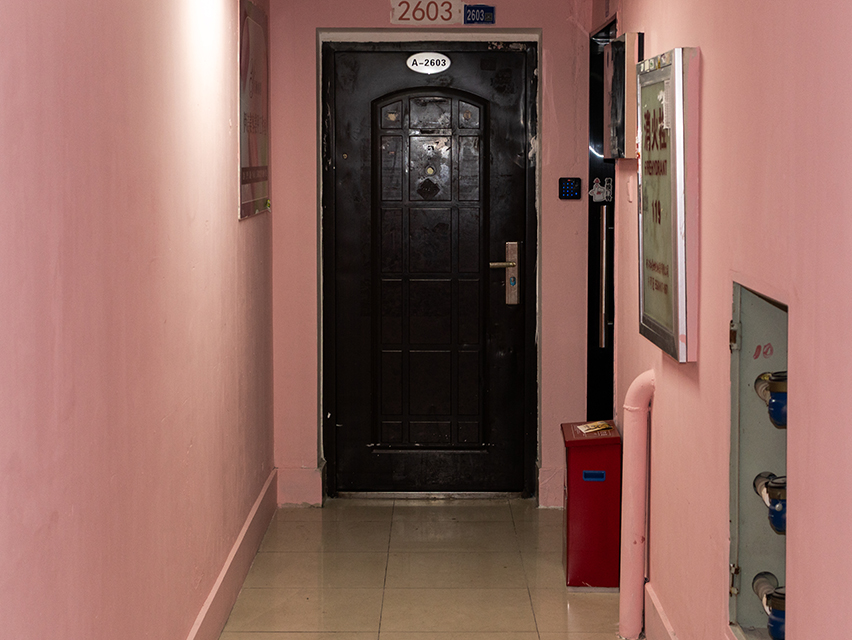
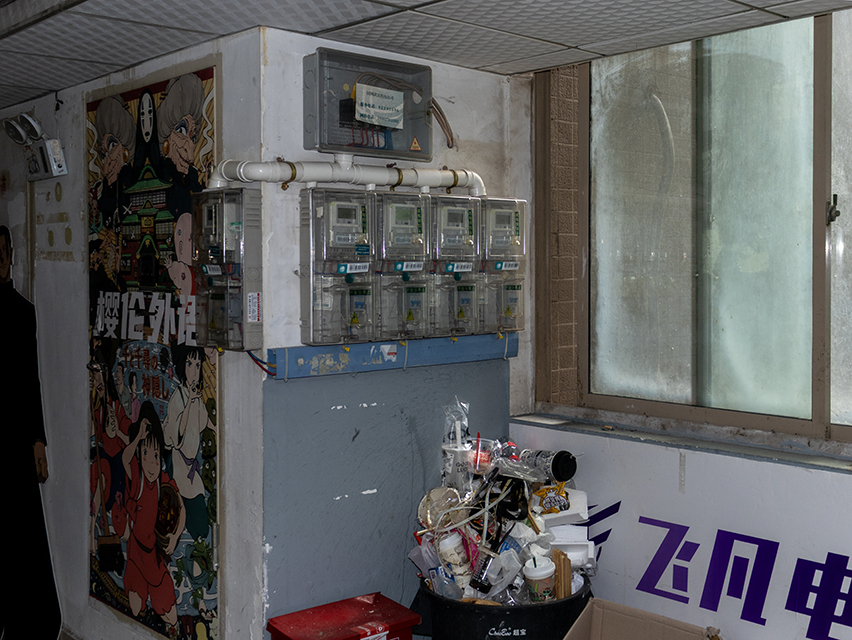
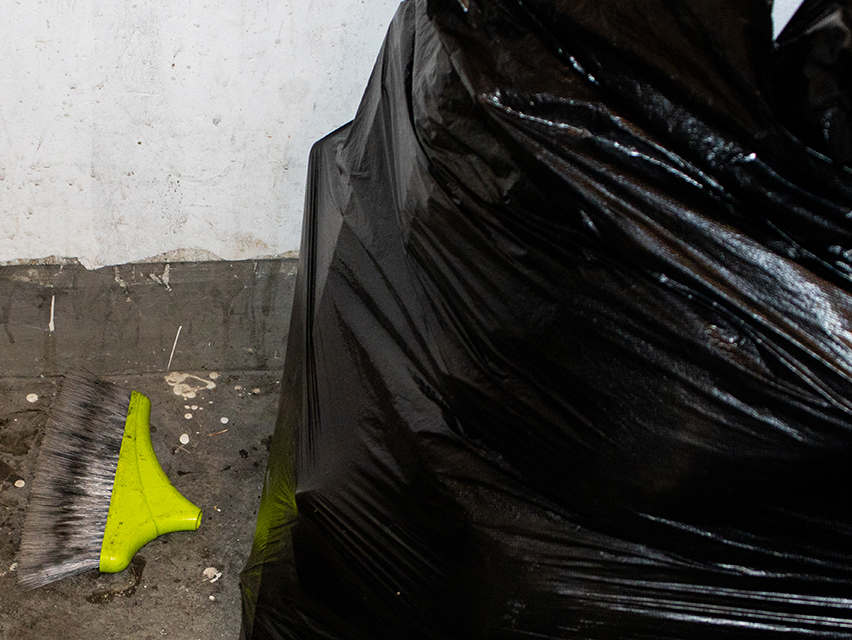
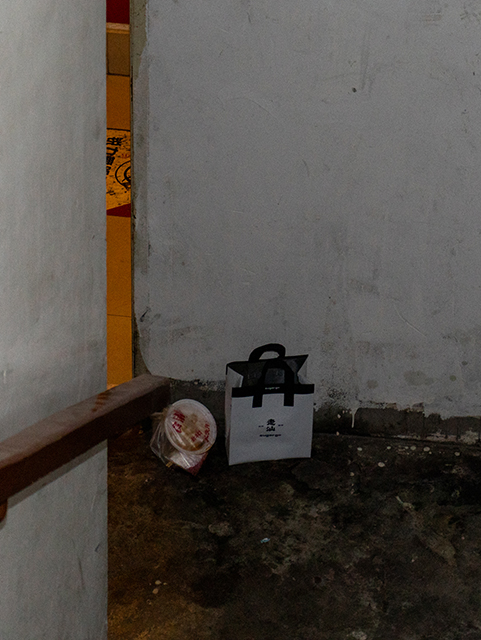
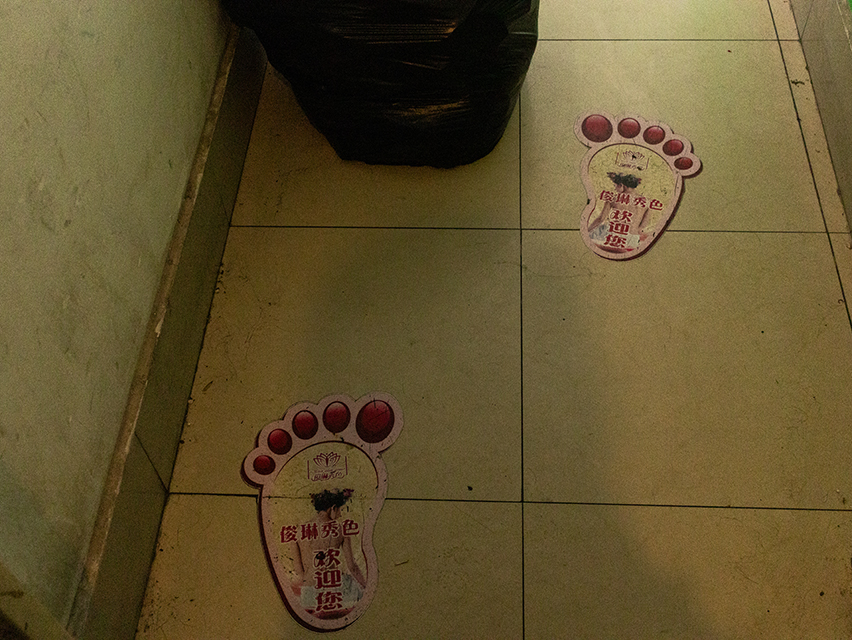
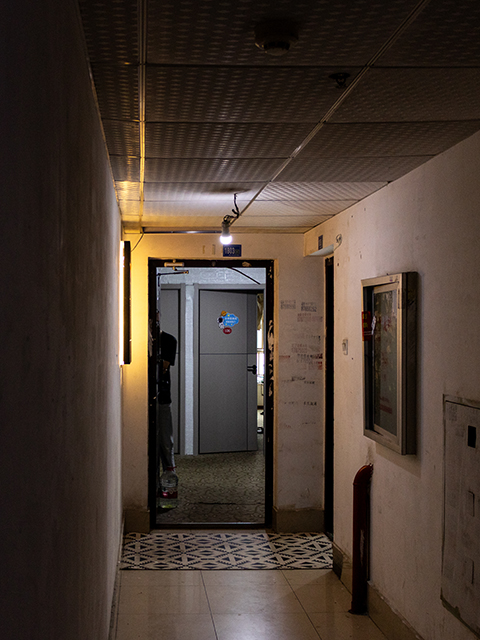
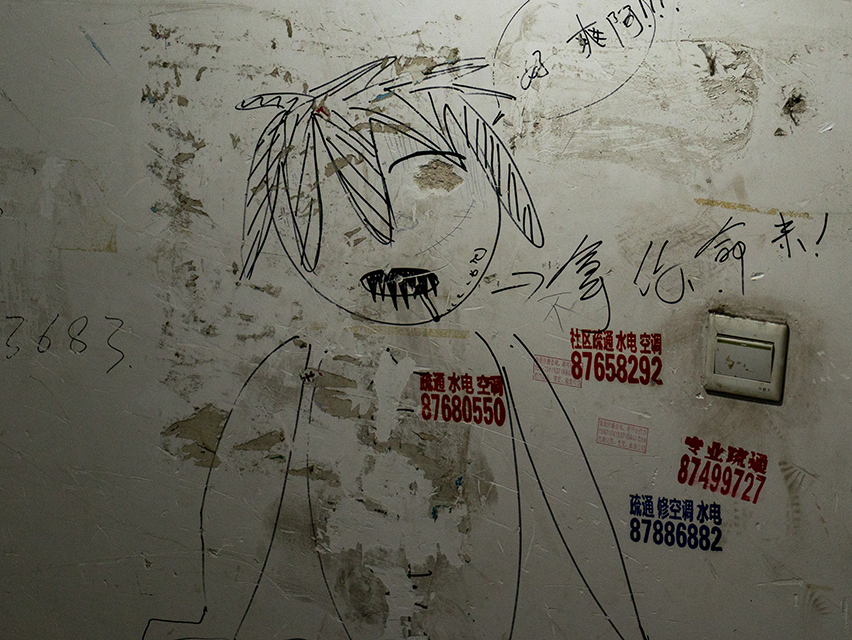
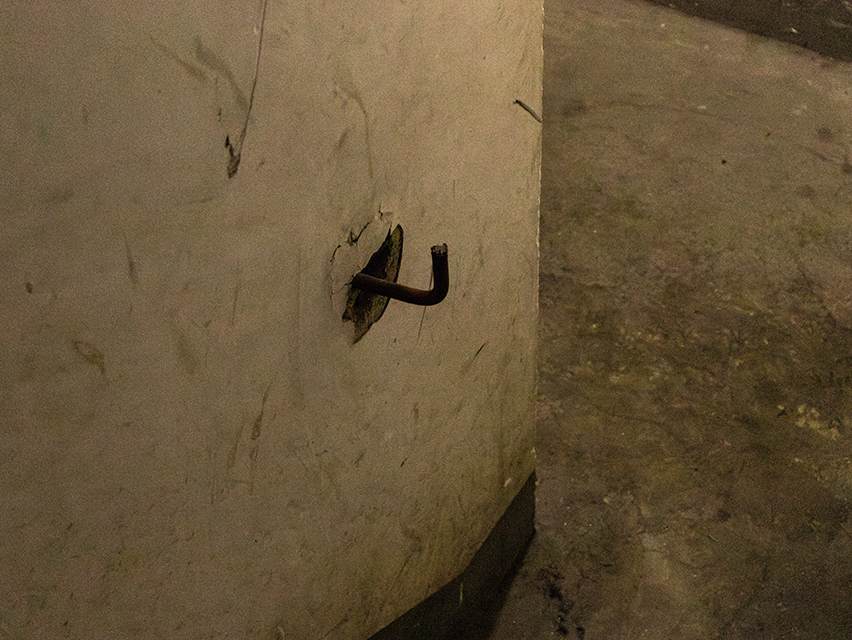
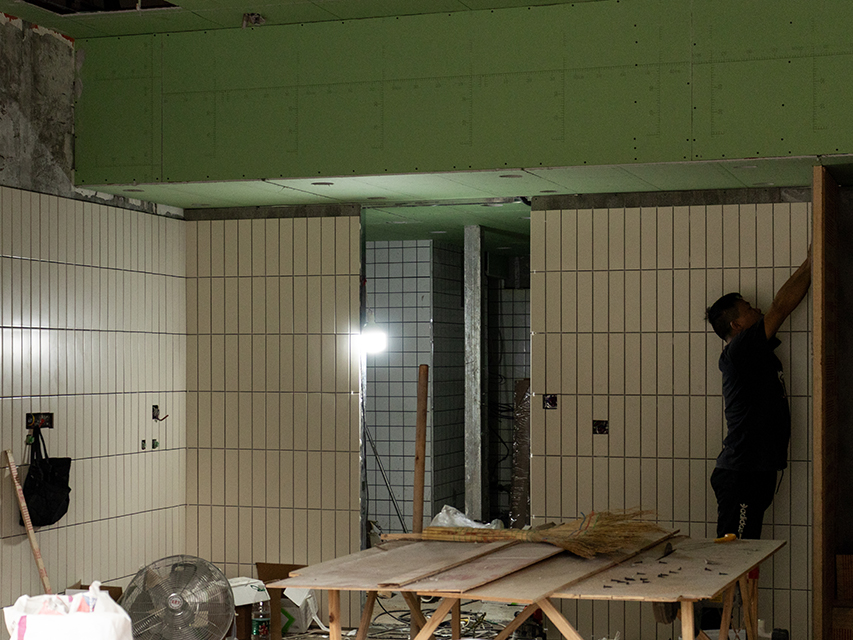
From 2021 to 2025, I attended university in Wuhan, China. During these four years, I experienced the city's unique complexity and contradictions. •Fuhua Tower, a high-rise building in Wuhan, China, opened in 2004 and is surrounded by several universities and secondary schools. This structure is an incredibly complex conglomerate—dim, damp, and airtight. Commercial spaces, residential units, and storage areas are jumbled together. Visitors to the building are equally diverse: subcultural youths from nearby universities, livestreamers, budget-conscious tourists, and low-income workers seeking entertainment. The building is so complex that no single word can accurately describe it. What is certain is that it lacks any trace of luxury or grandeur and is fraught with safety hazards.
Through photography, painting, performance, and other mediums, I aim to deepen my connection with a building and explore the myriad issues that arise from it. As one of the fundamental units composing the city, understanding a building and its ecosystem, and engaging with it through artistic forms, creates an intangible yet subtle connection between myself and other groups within society.
Photography, drawing
From 2021 to 2025, I attended university in Wuhan, China. During these four years, I experienced the city's unique complexity and contradictions. •Fuhua Tower, a high-rise building in Wuhan, China, opened in 2004 and is surrounded by several universities and secondary schools. This structure is an incredibly complex conglomerate—dim, damp, and airtight. Commercial spaces, residential units, and storage areas are jumbled together. Visitors to the building are equally diverse: subcultural youths from nearby universities, livestreamers, budget-conscious tourists, and low-income workers seeking entertainment. The building is so complex that no single word can accurately describe it. What is certain is that it lacks any trace of luxury or grandeur and is fraught with safety hazards.
Through photography, painting, performance, and other mediums, I aim to deepen my connection with a building and explore the myriad issues that arise from it. As one of the fundamental units composing the city, understanding a building and its ecosystem, and engaging with it through artistic forms, creates an intangible yet subtle connection between myself and other groups within society.
Rooftop Performance, 2024
(Click the image to view the full content)
Performance
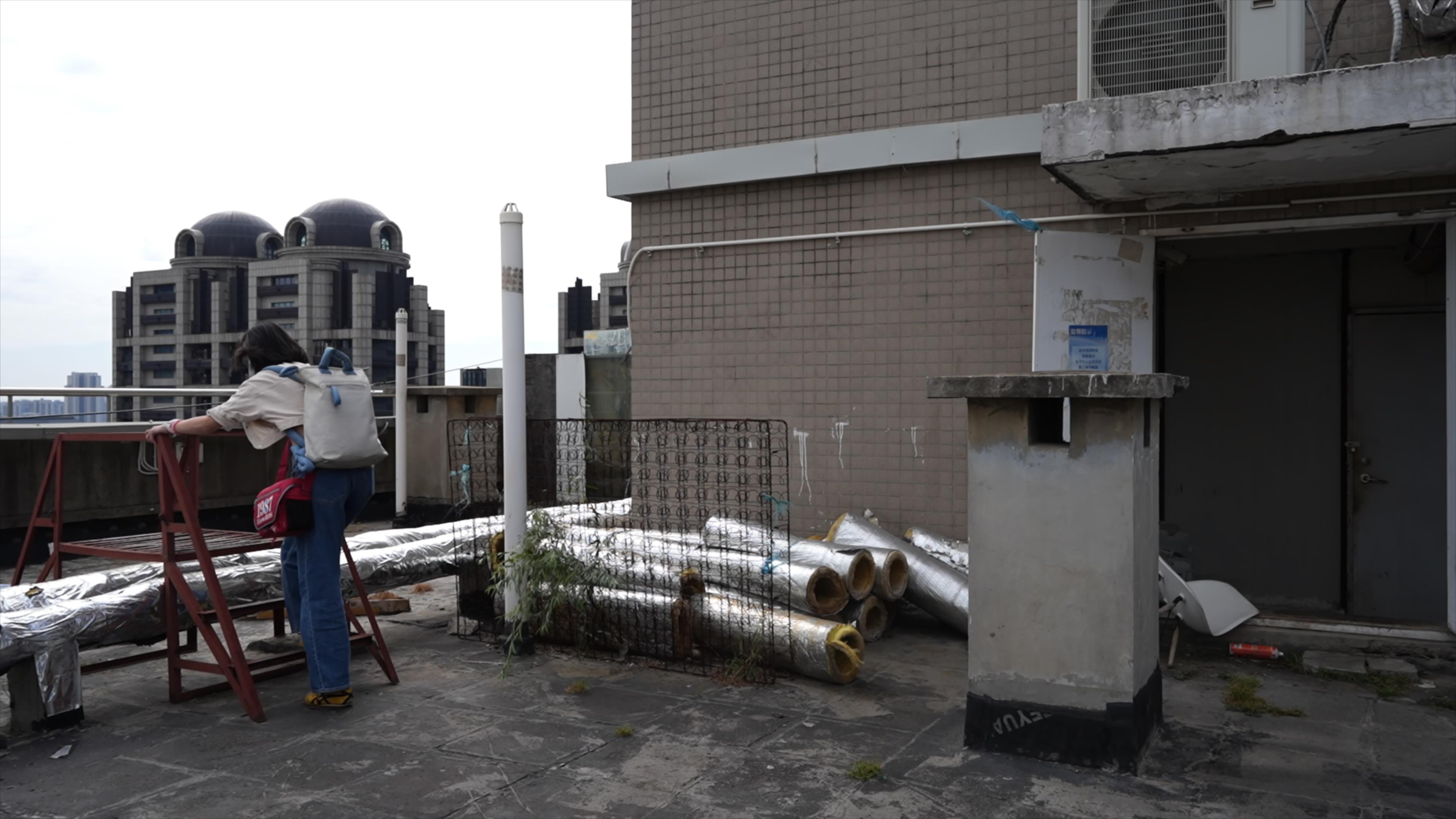
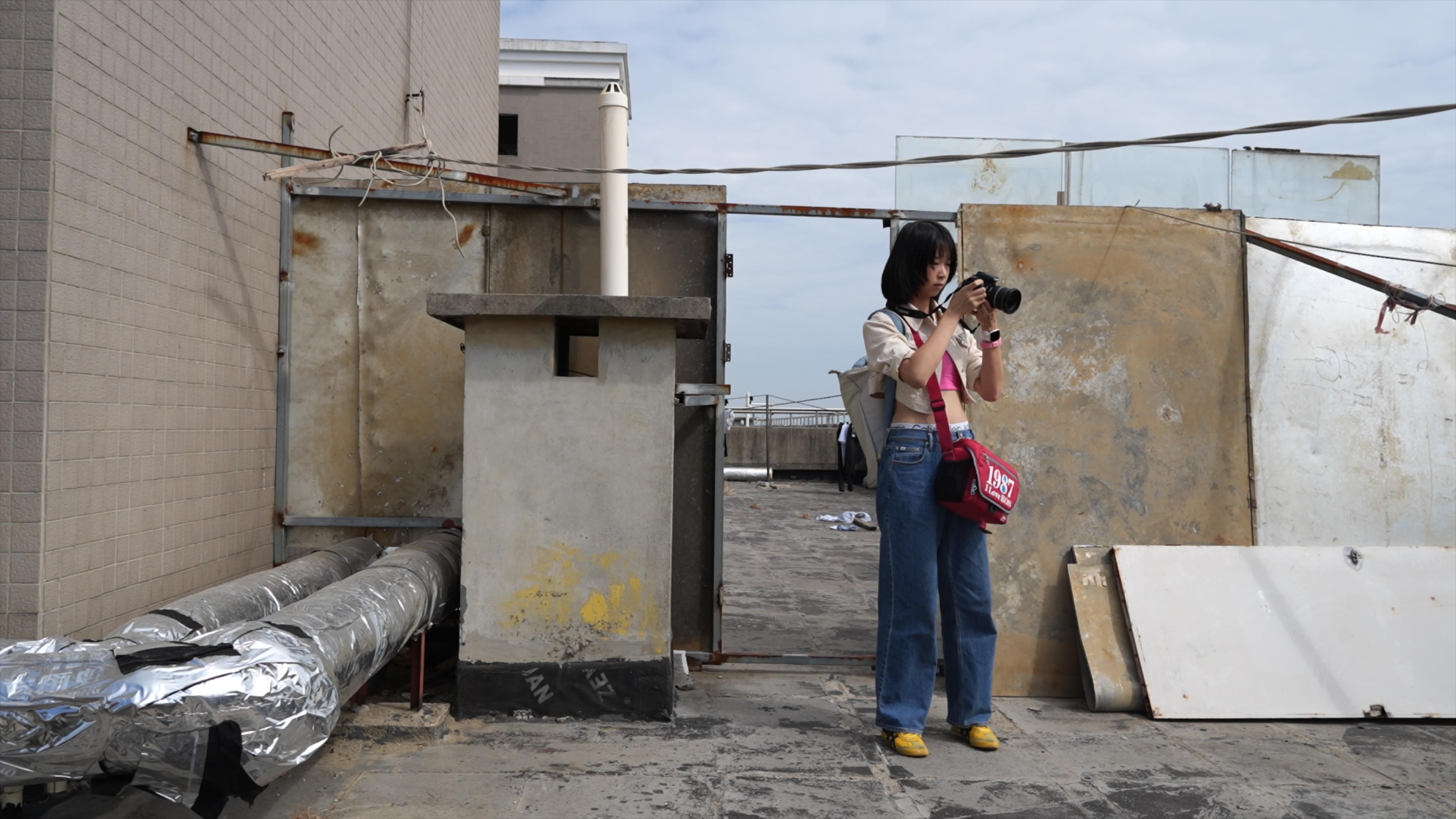
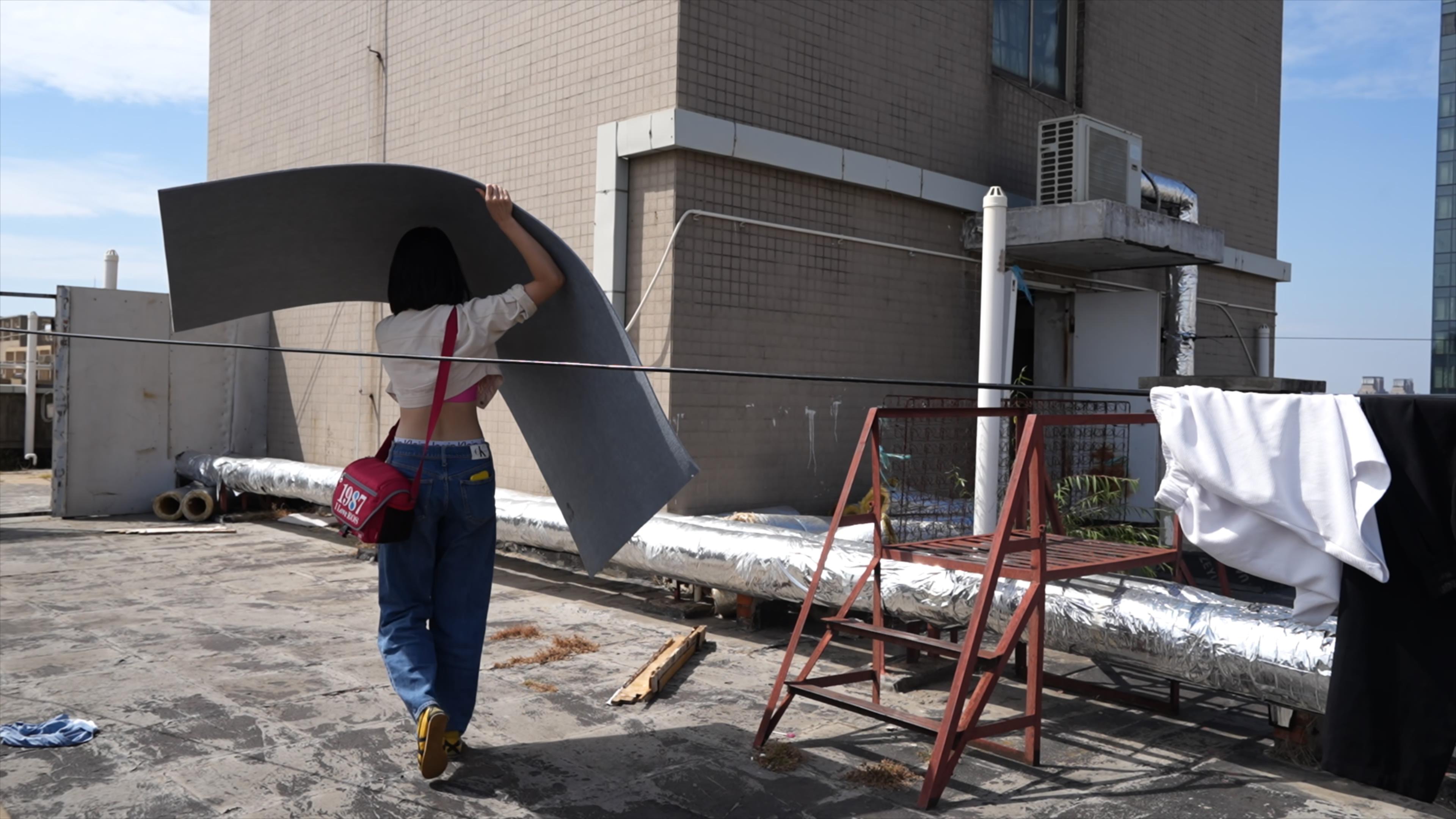
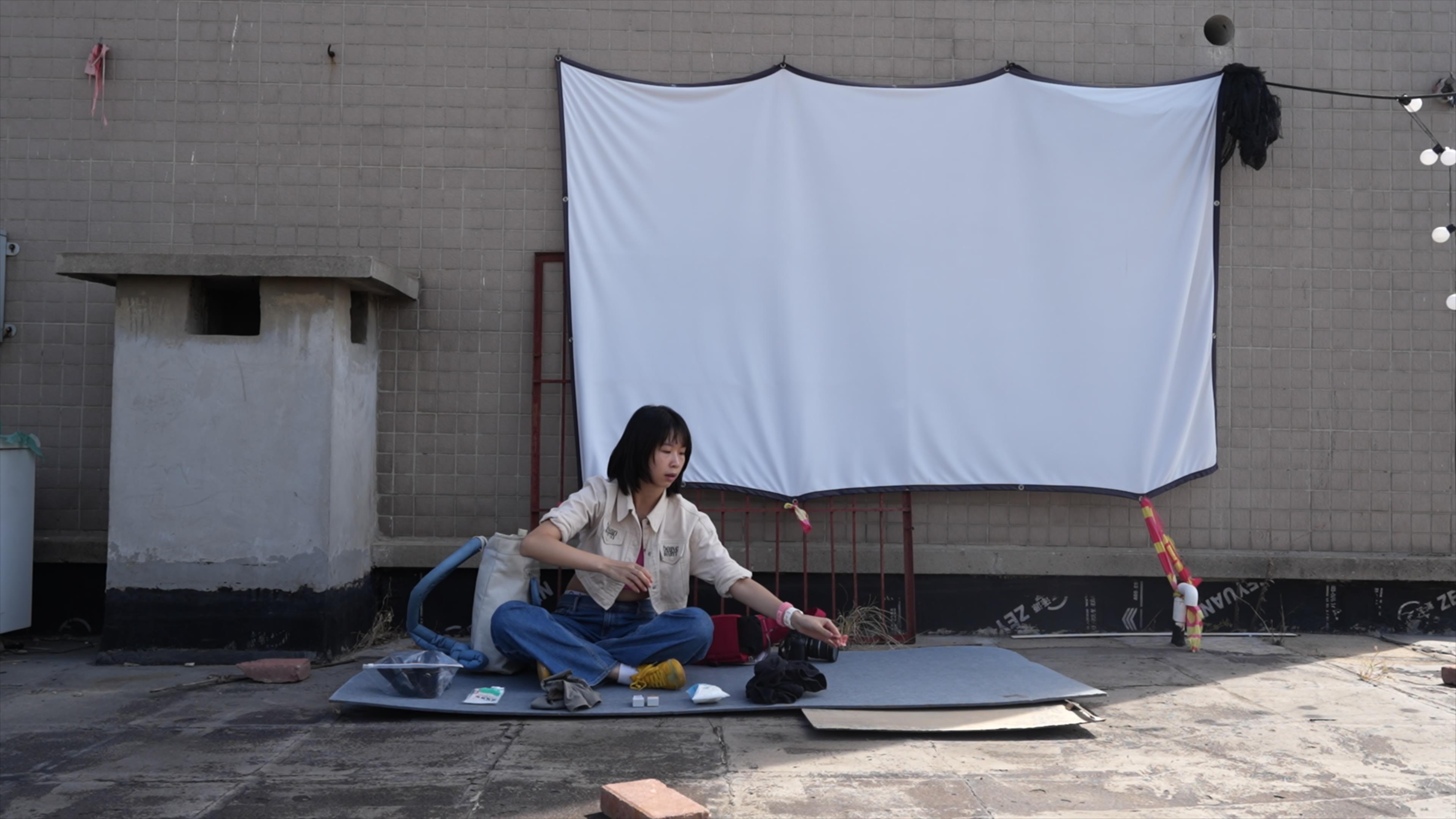
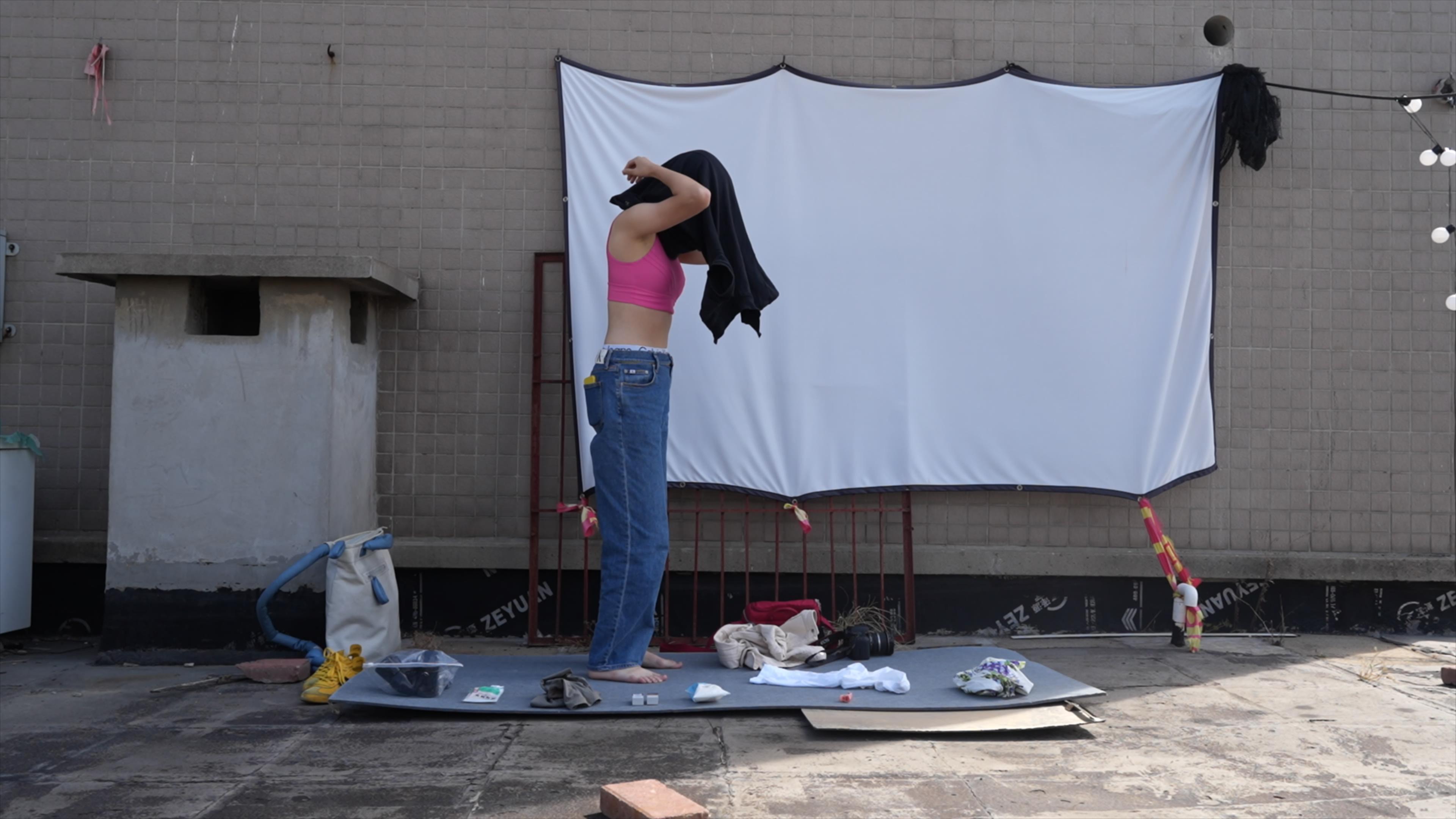
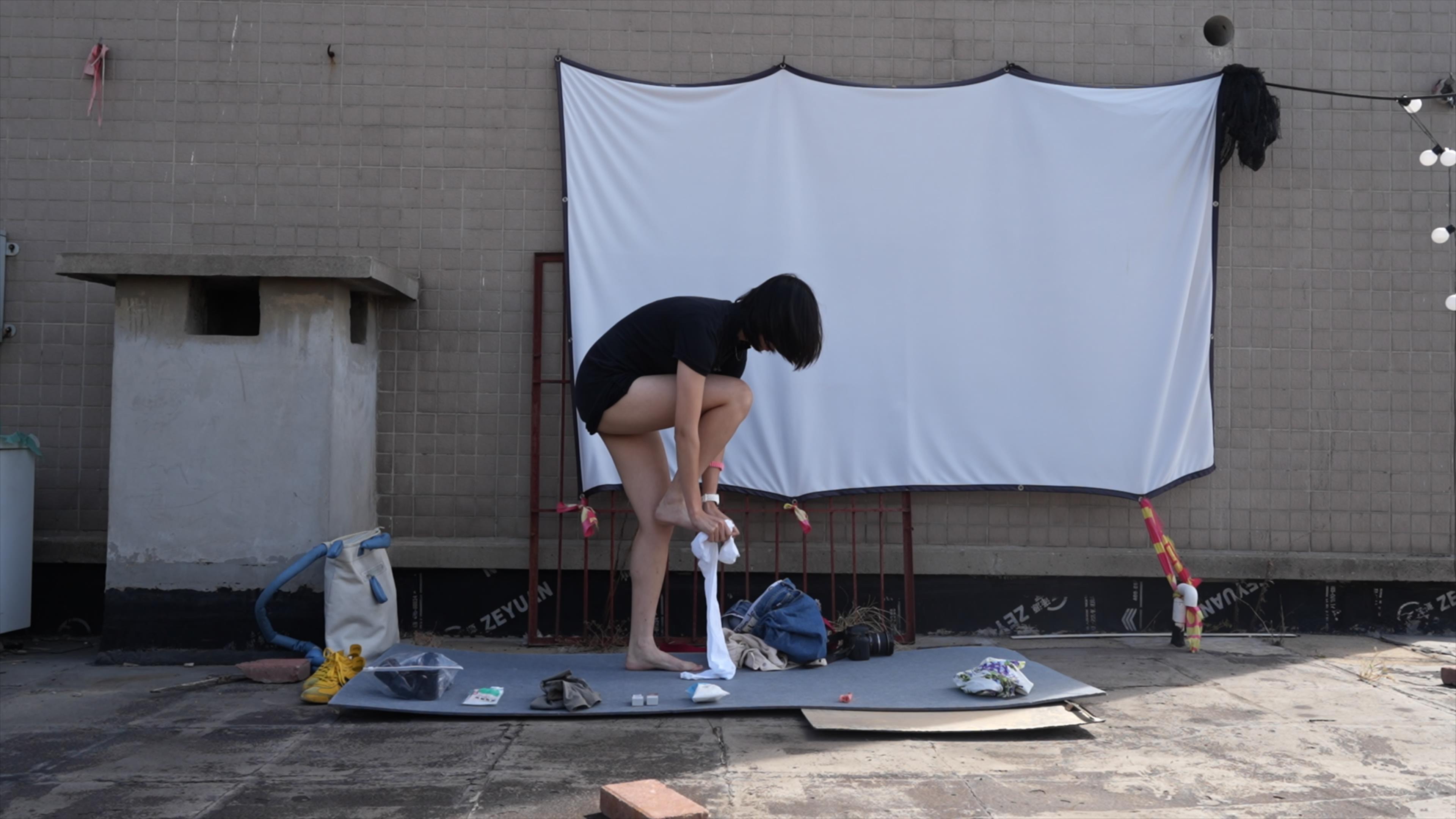
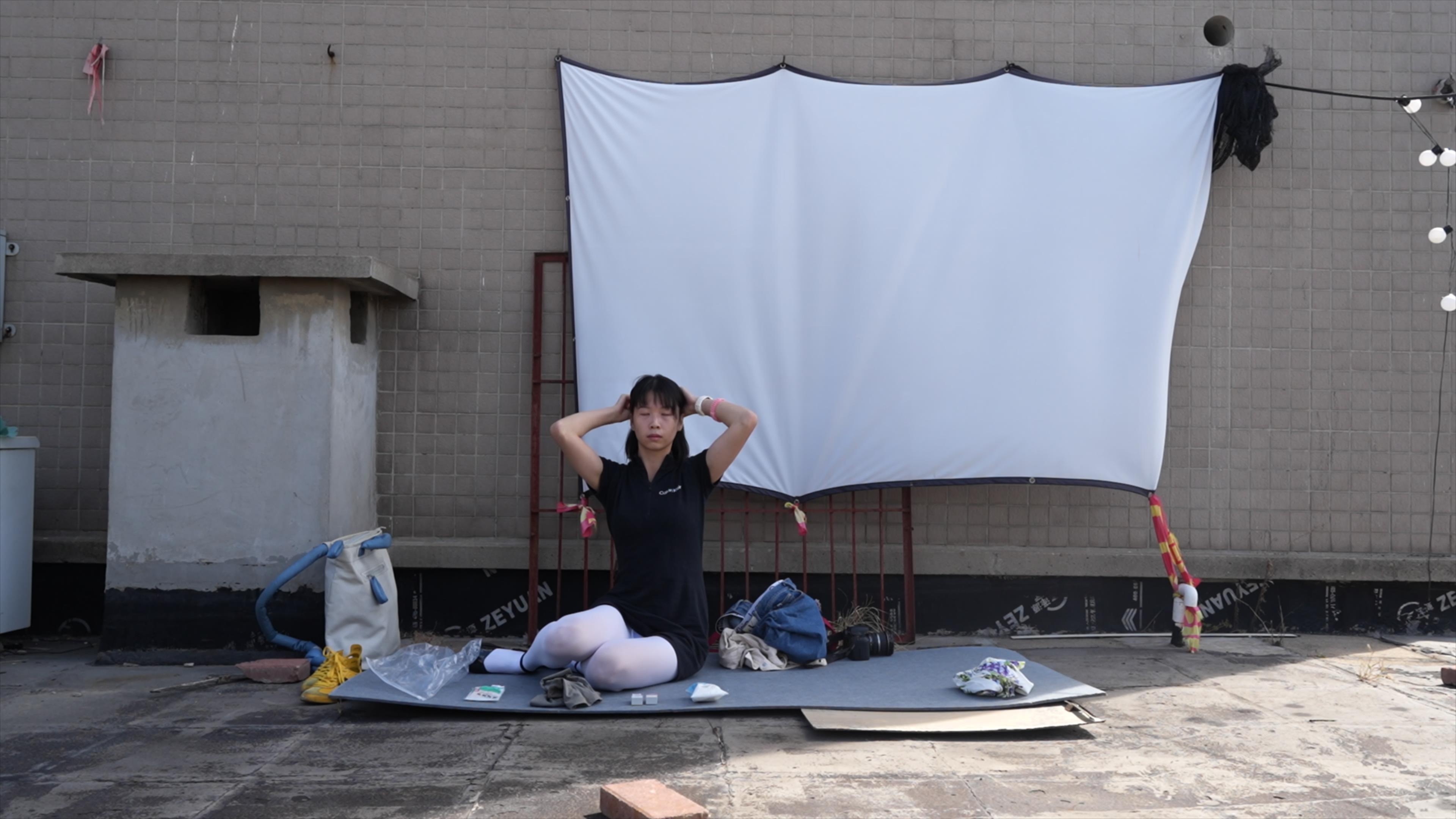
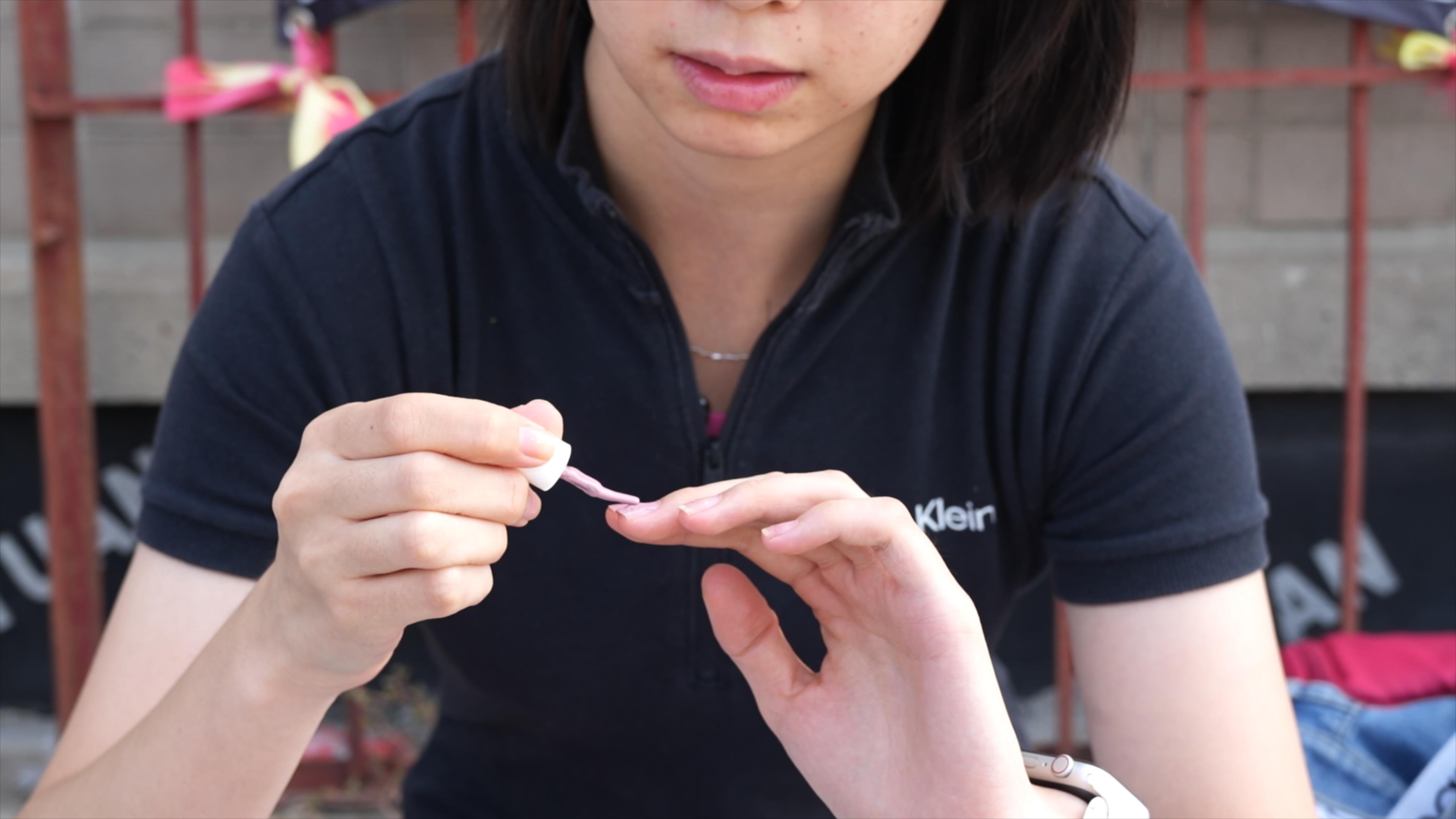
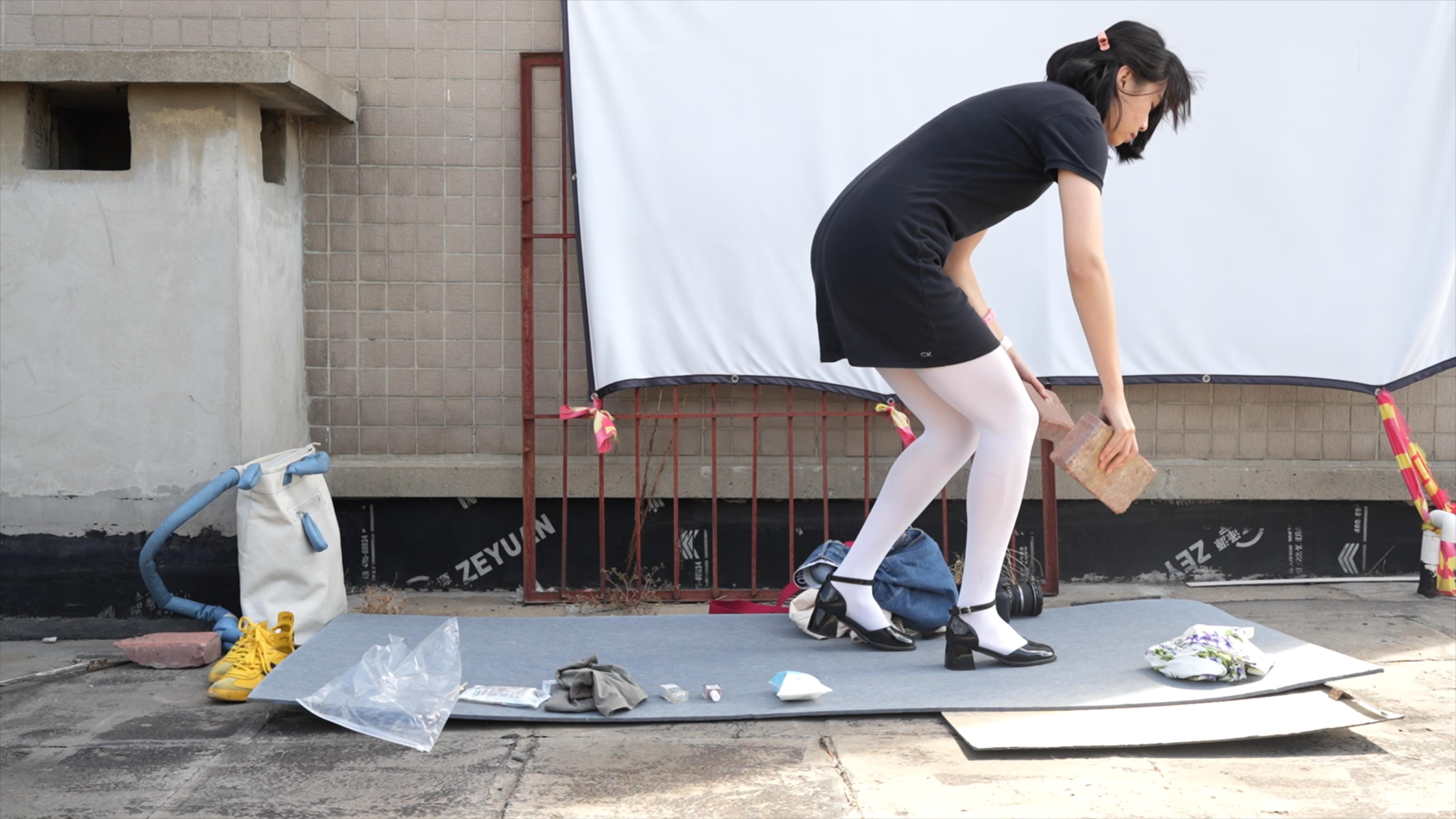
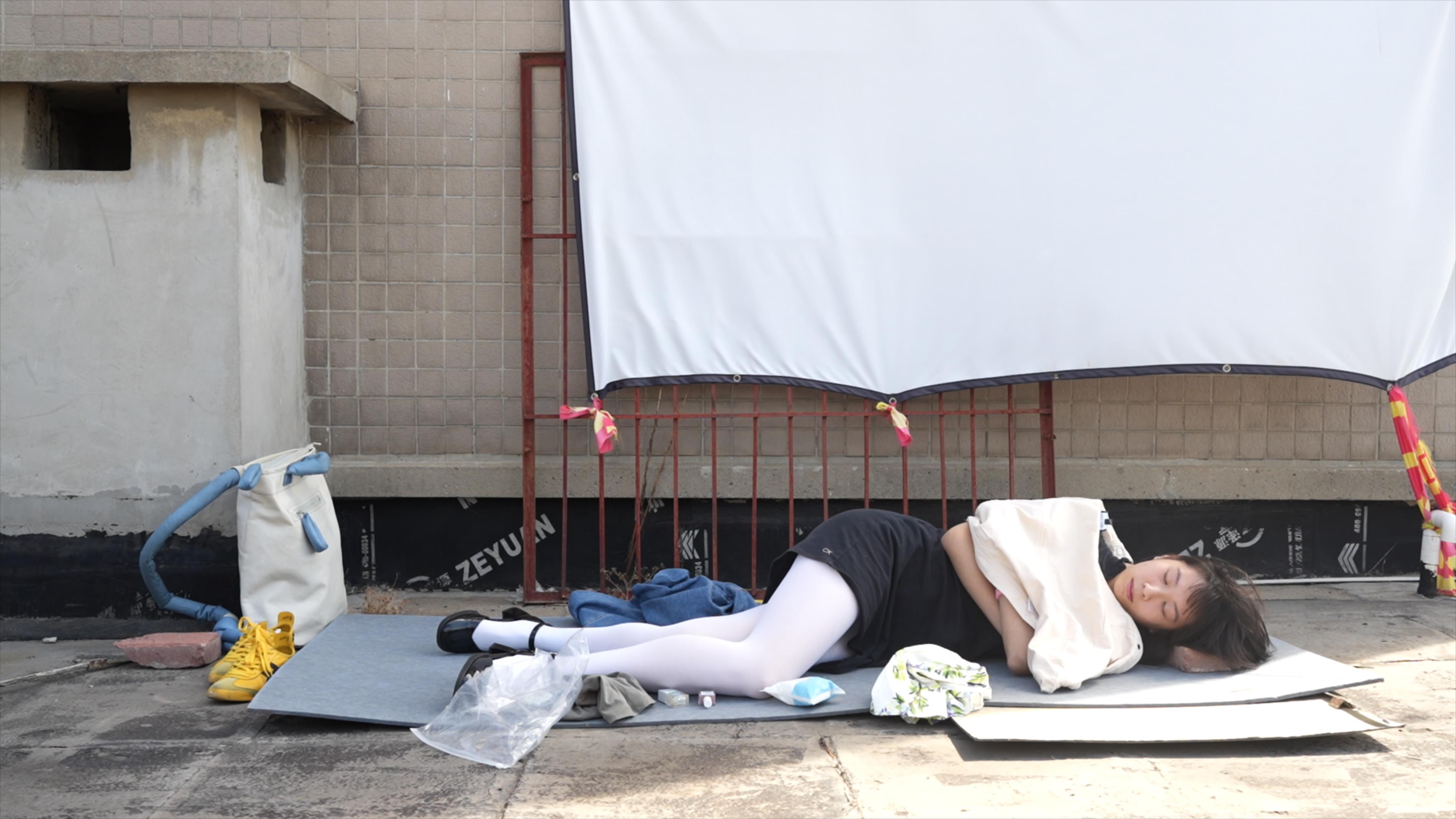
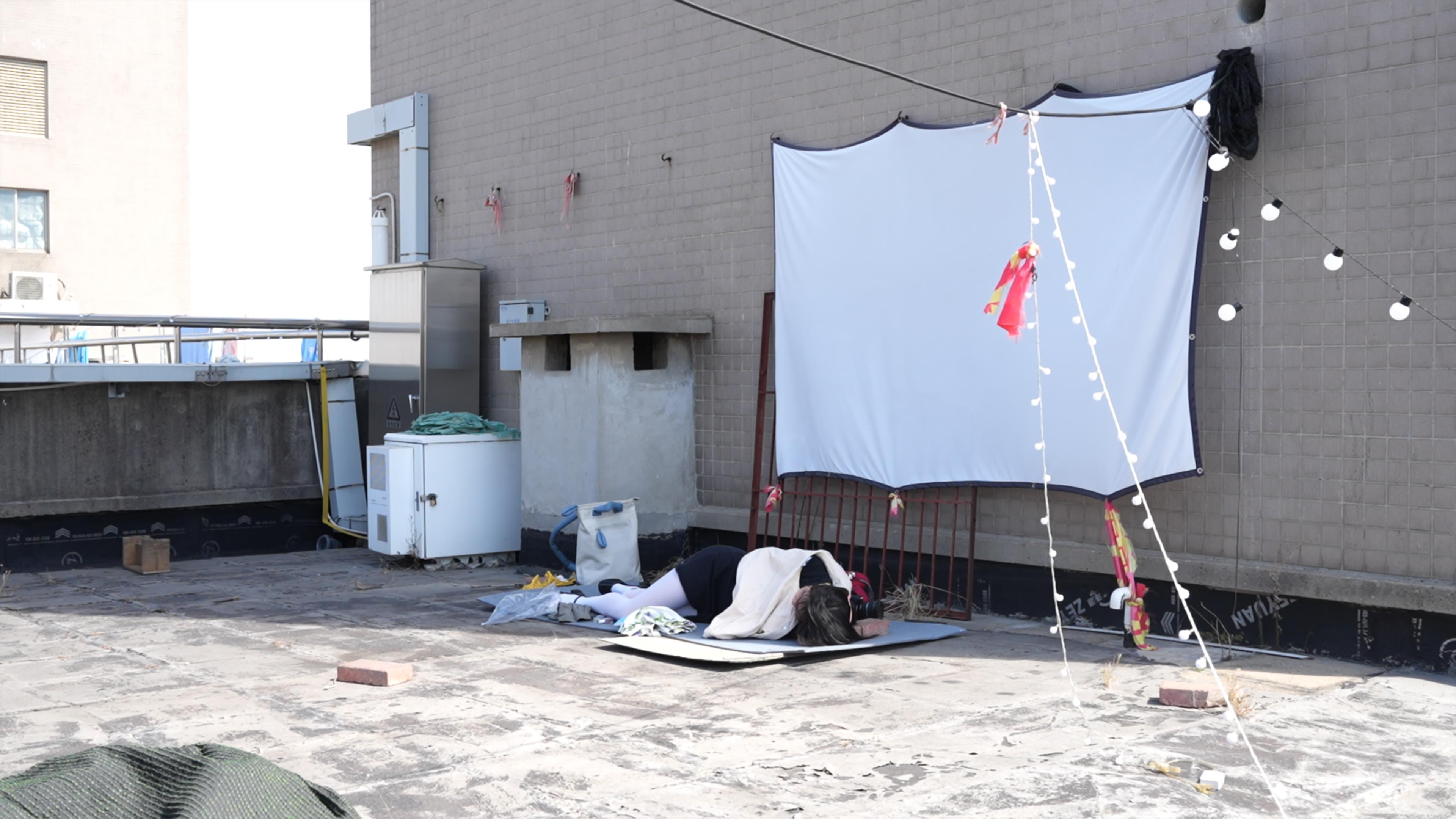
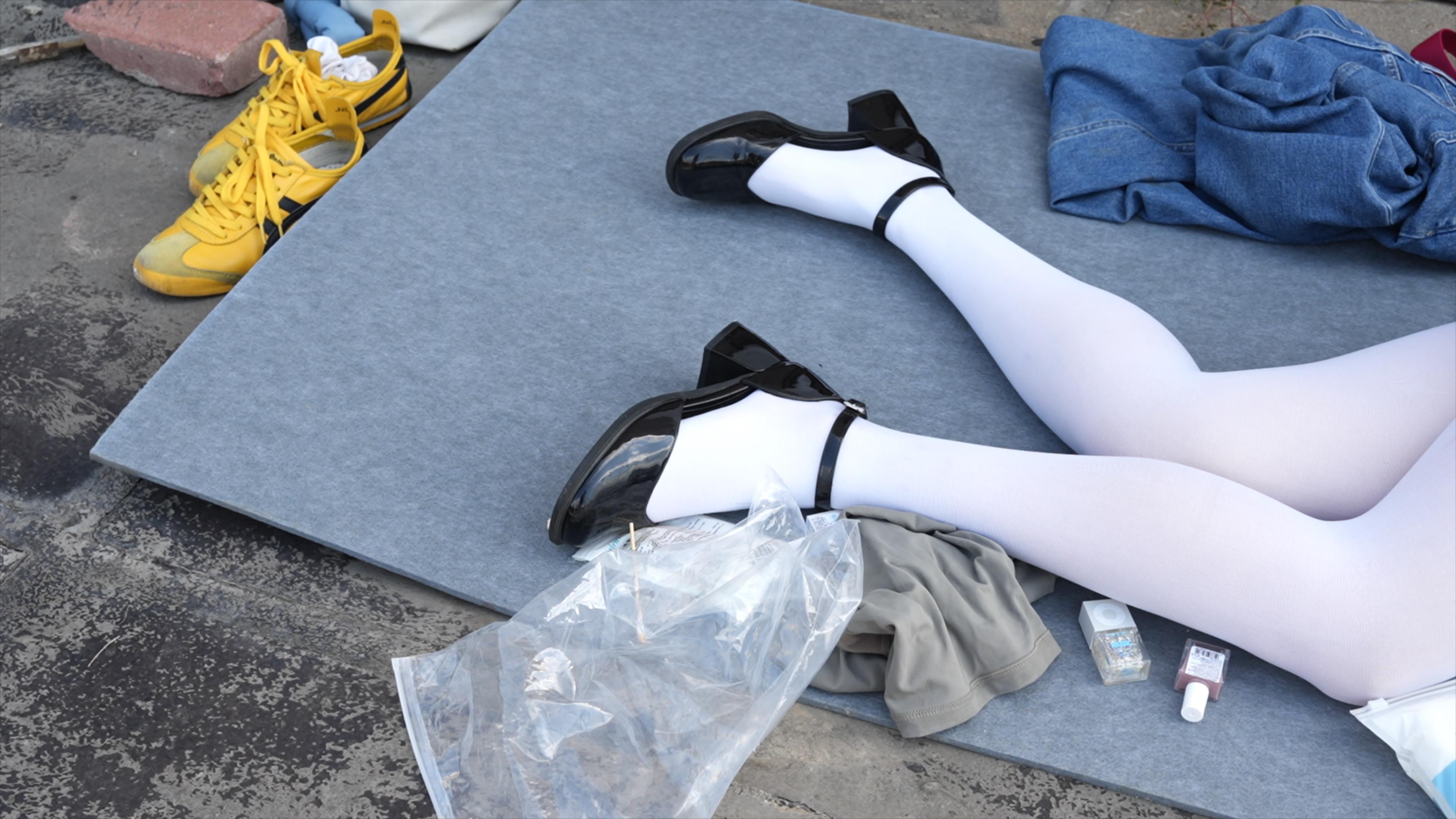
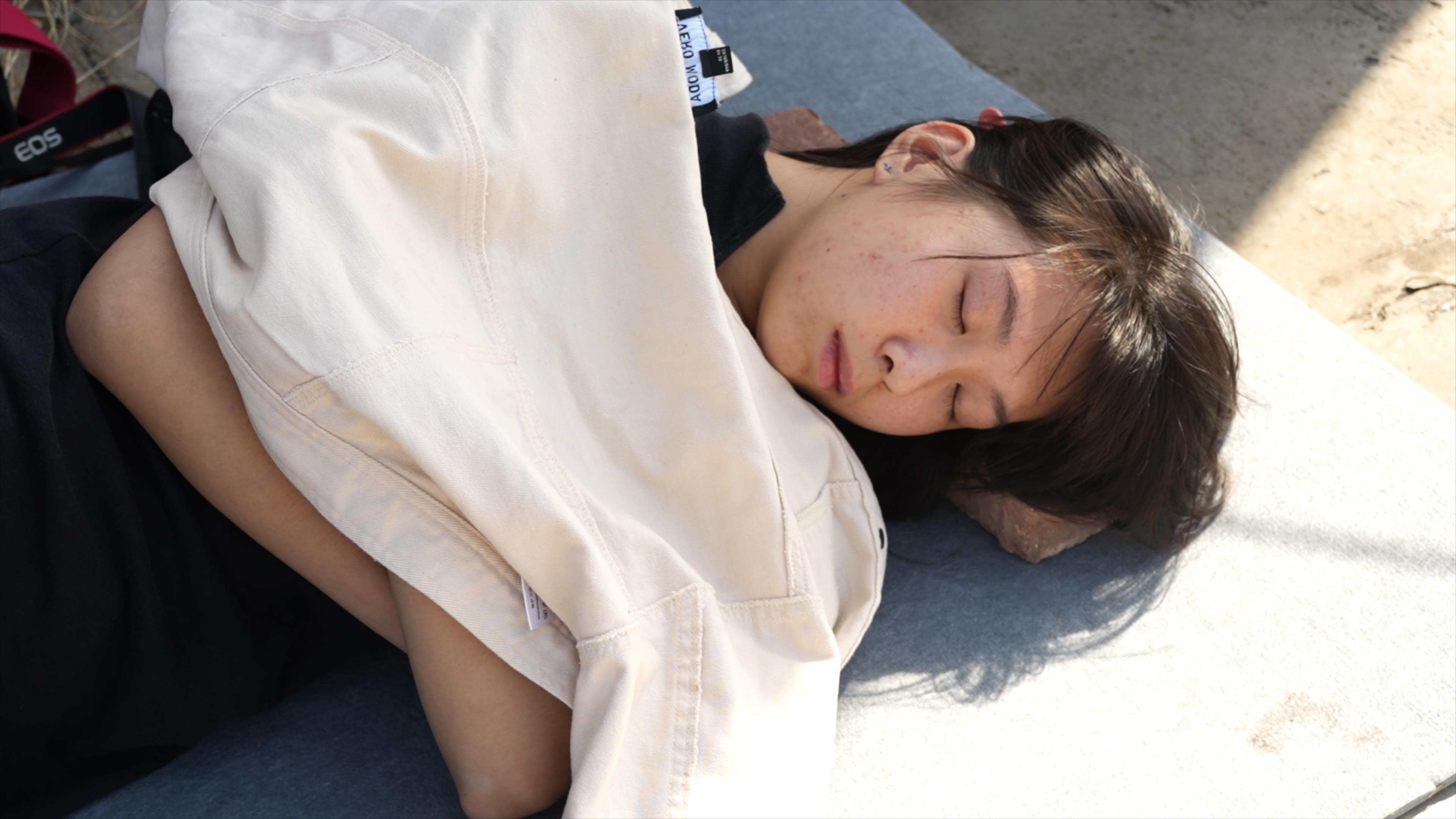
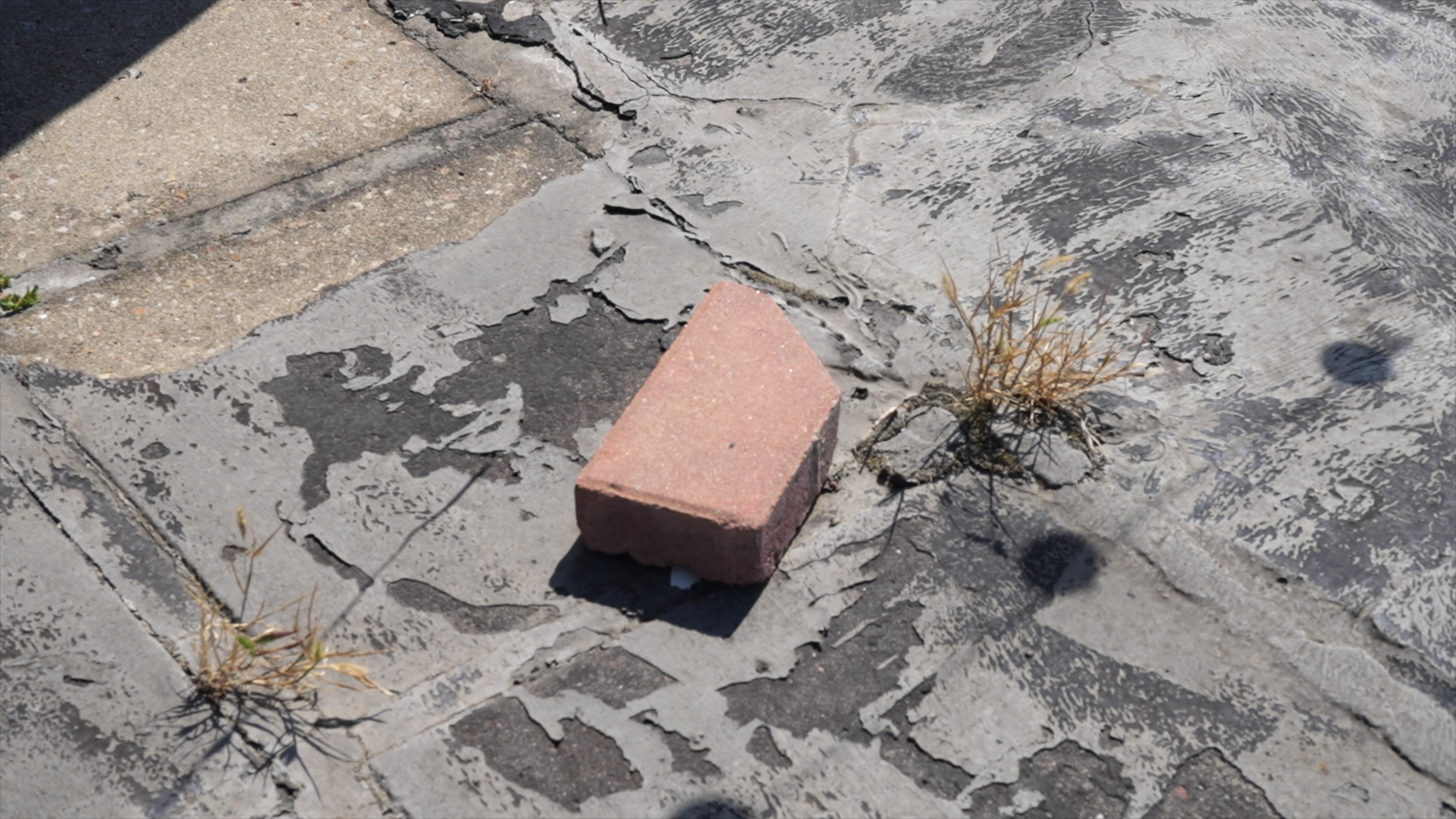
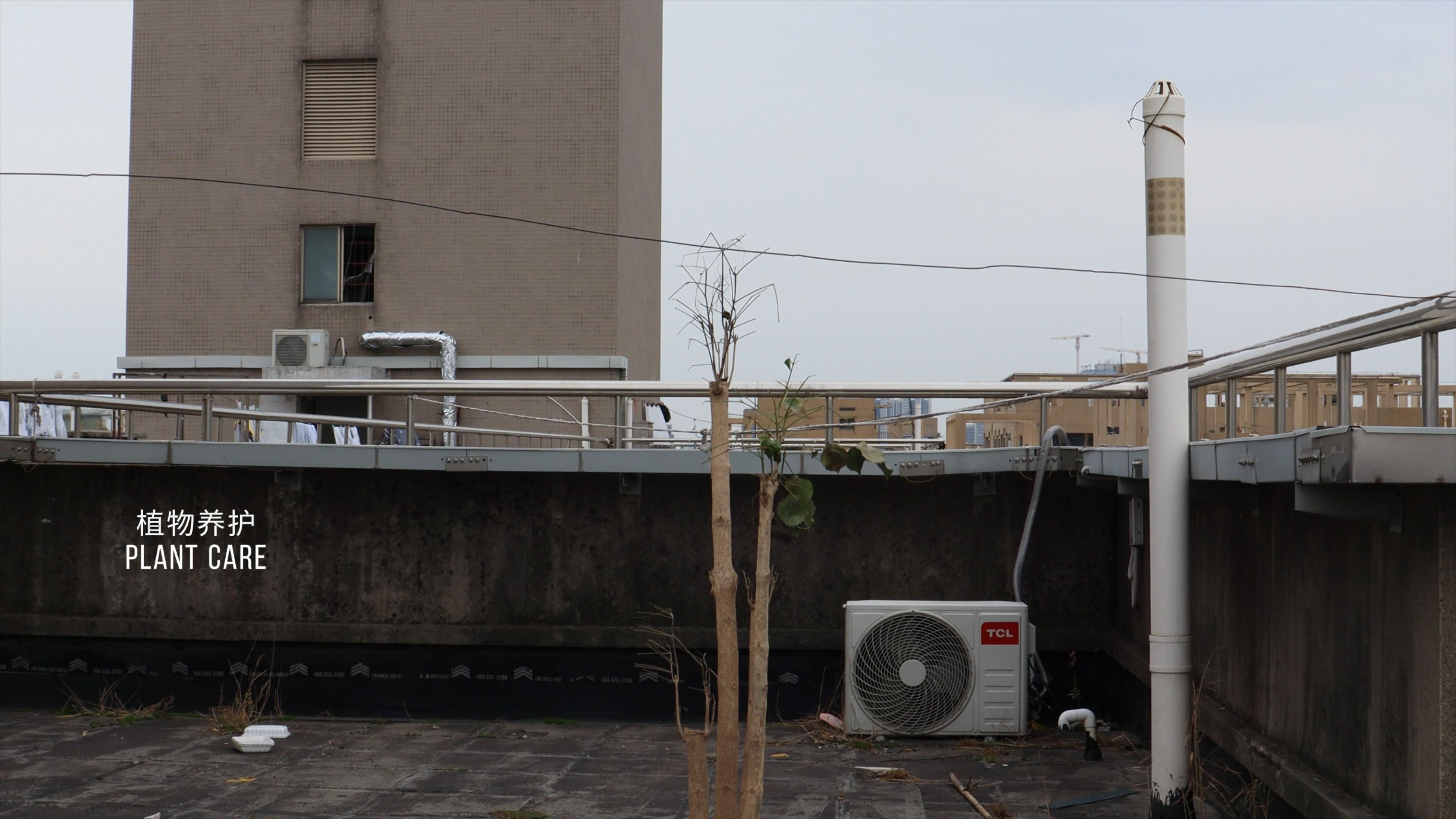
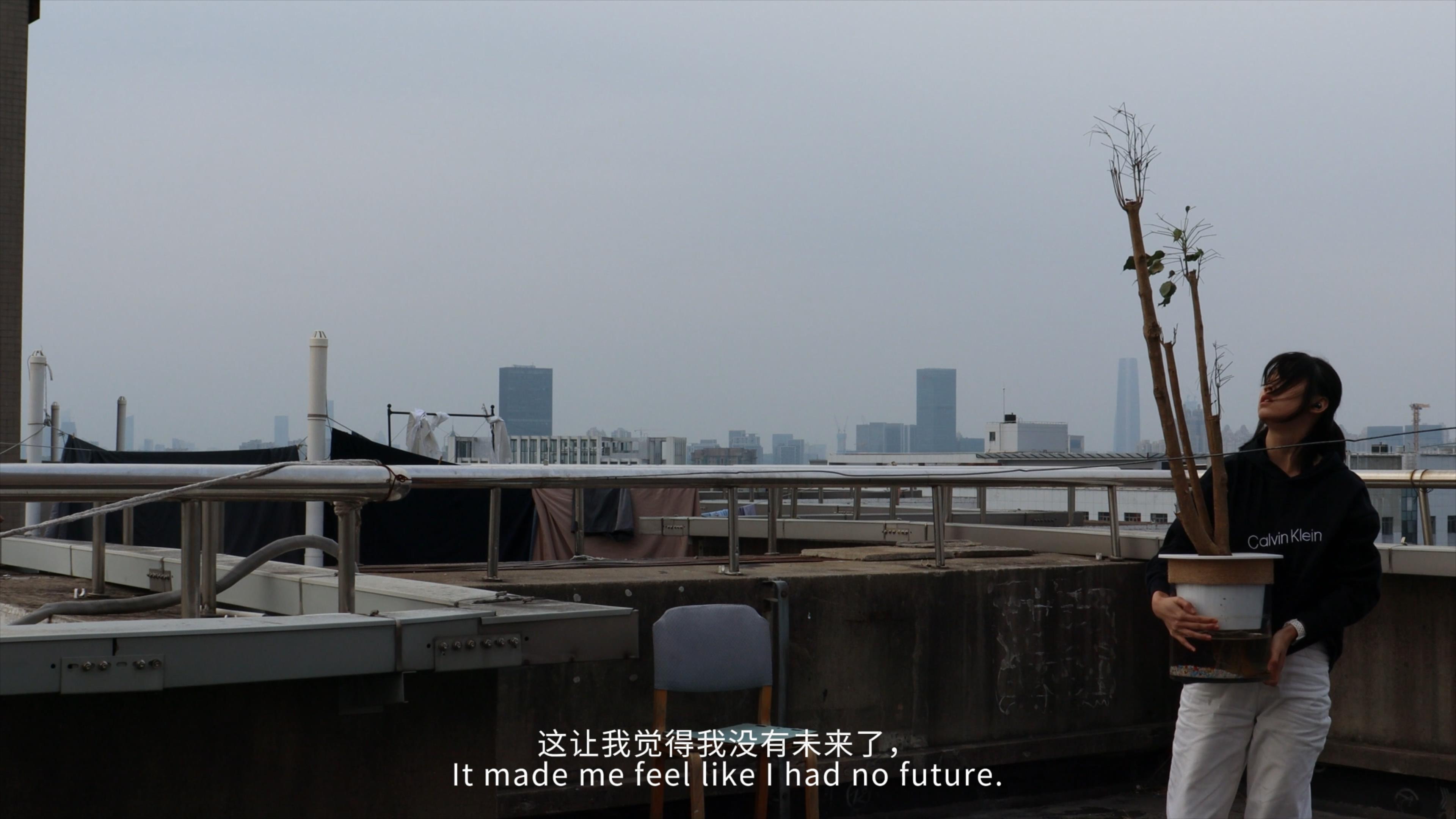
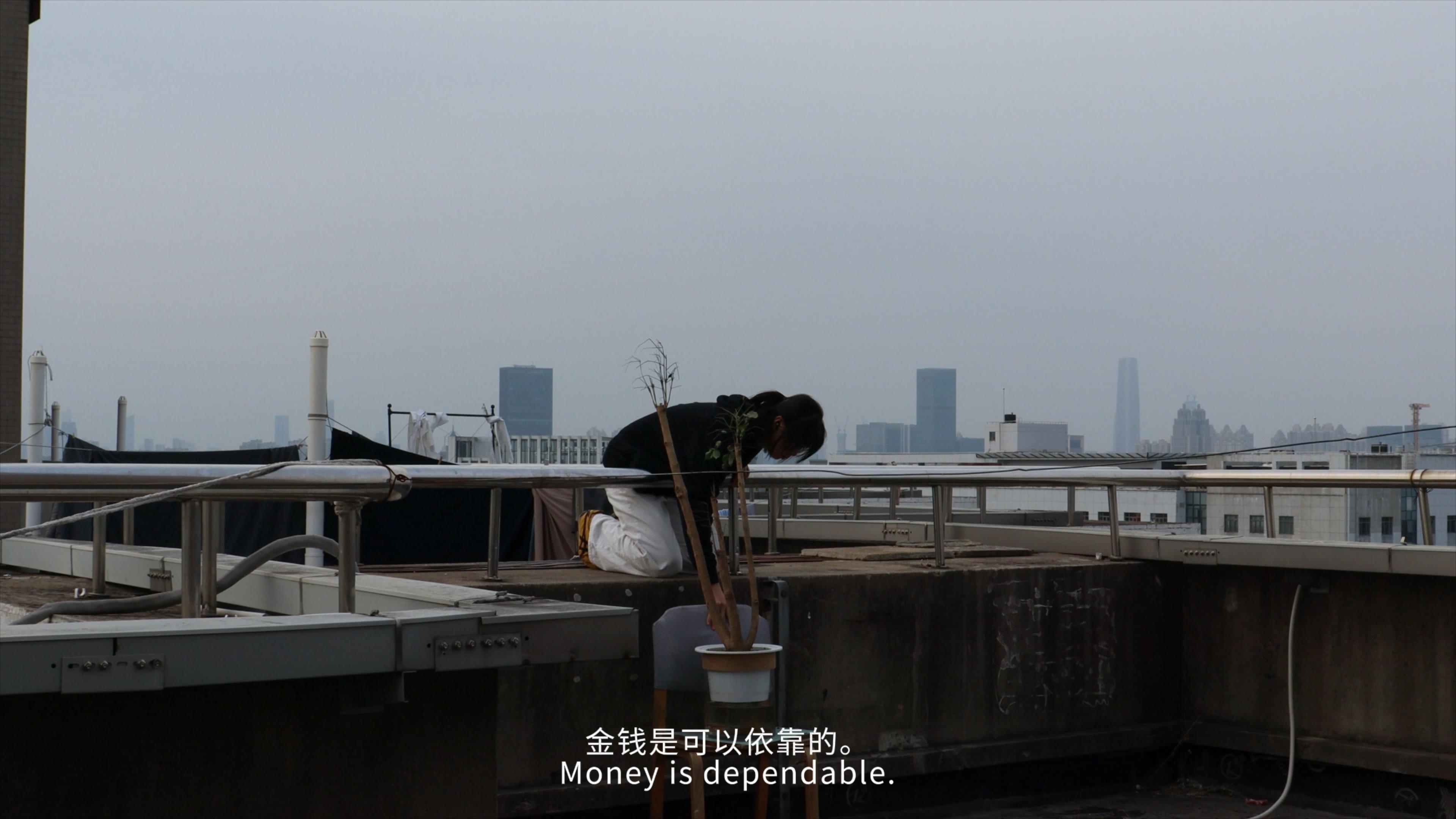
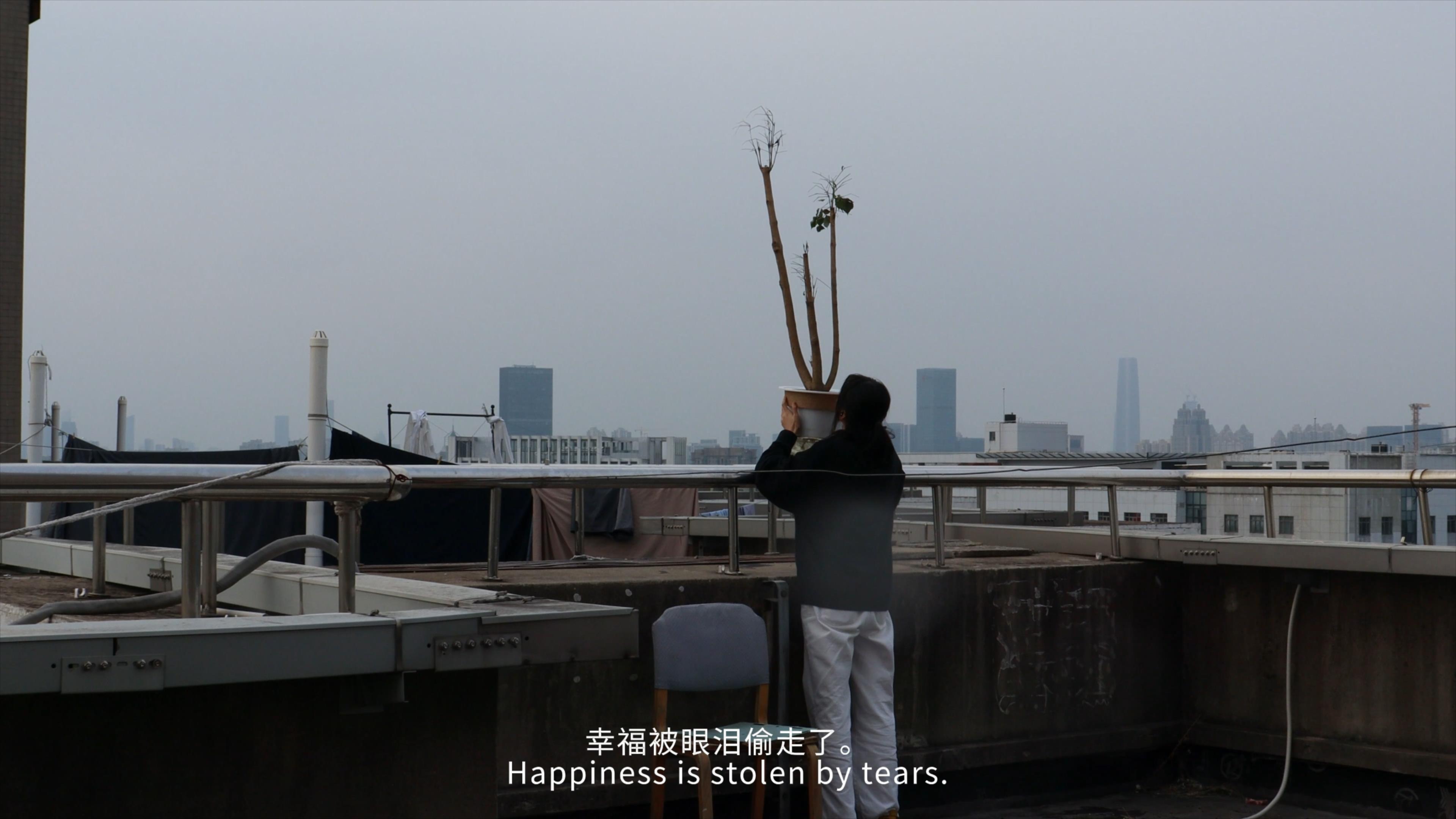
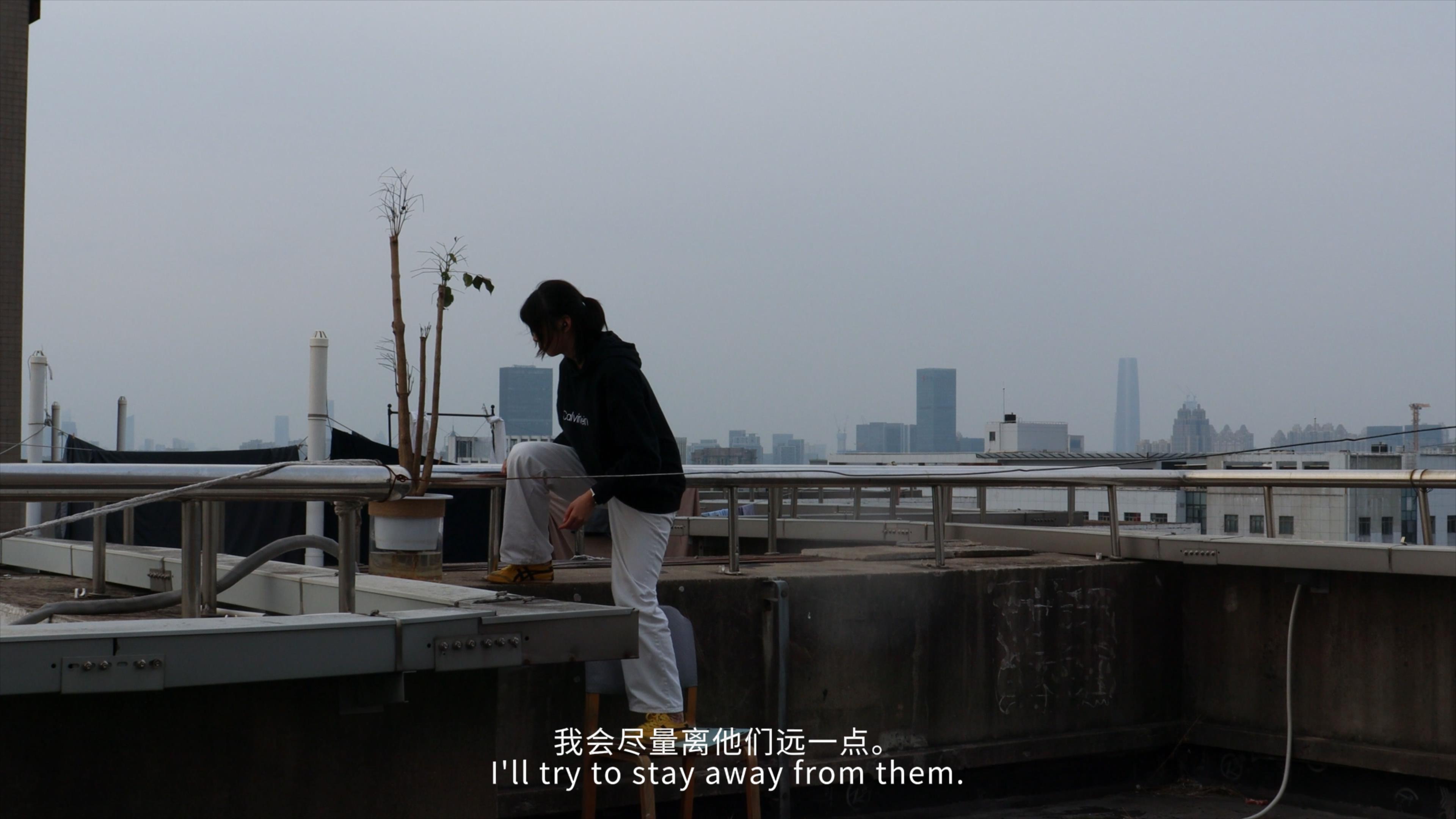
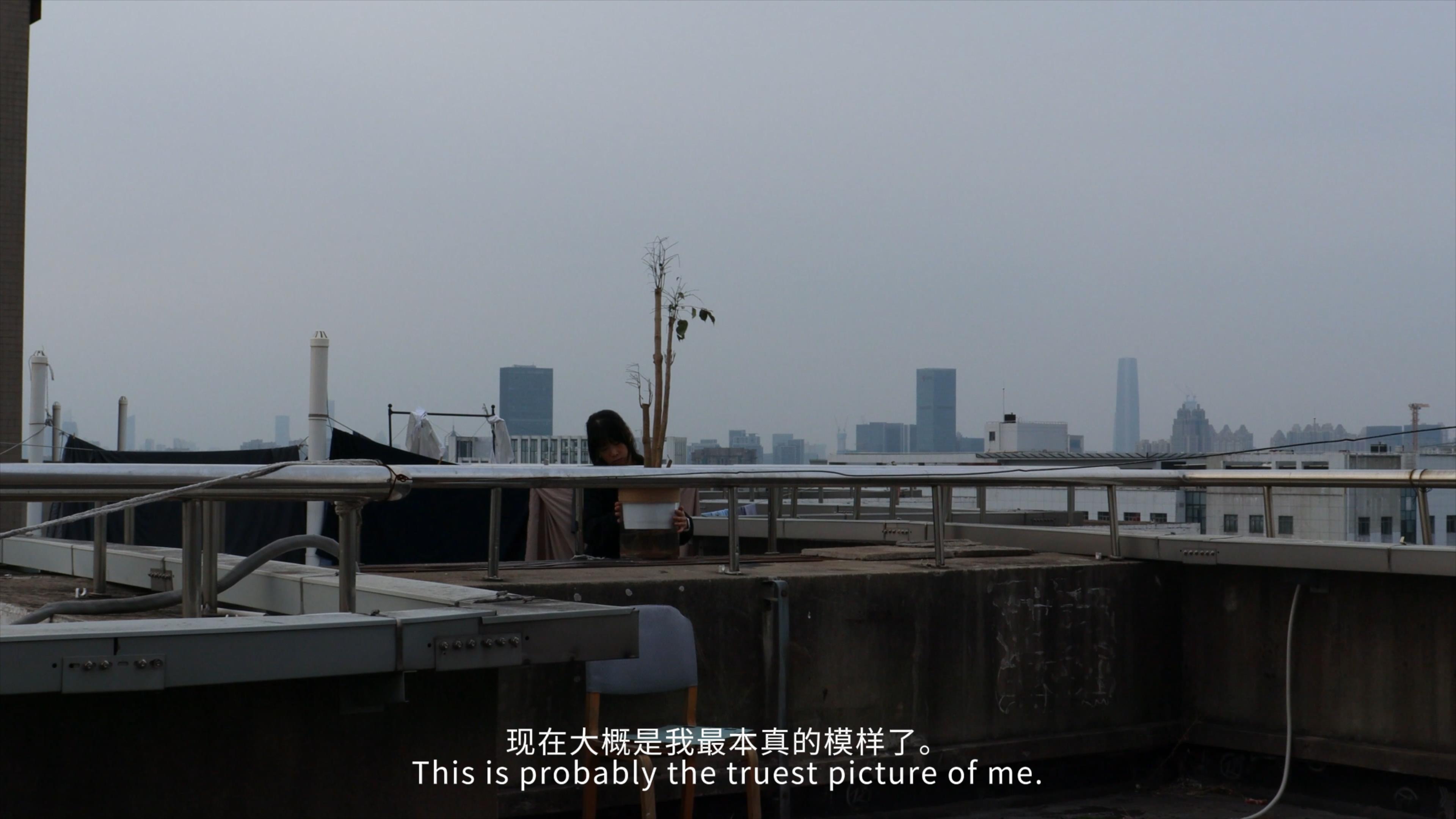
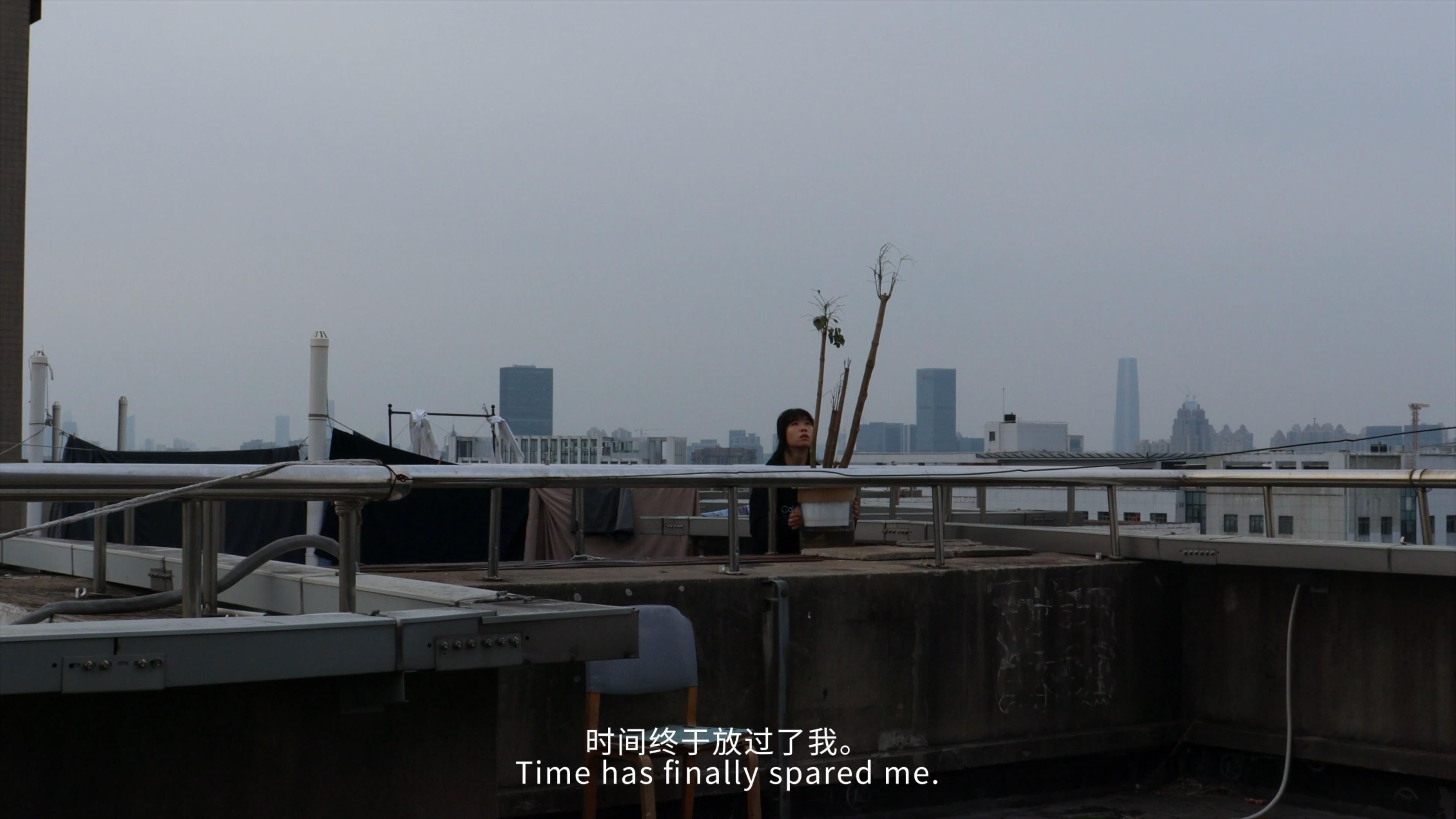
The Rooftop Performance project comprises two video installations documenting performances staged on the roof of the same building. This aging building in Wuhan, China, is a dimly lit, crowded, and complex place where young people of modest means gather for entertainment and consumption. For the artist, the rooftop space represents a fascinating and complex terrain—at once public and private, hidden yet dangerous. Although located within the city skyline, it conceals all manner of filth and secrets. The rooftop performance is the artist's response to the social plight of Asian women. Through actions such as photography, staging, and costume changes, the artist transforms herself from her identity as an artist into an ambiguous portrait of an Asian woman. By revealing her private life, she criticizes the living conditions of Asian women who lack genuine support, authentic private space, and stable private property.
The interaction with the abandoned plant on the roof focuses on issues of poverty and safety for women. A woman who had been tragically kidnapped and abused once turned to the camera and said, “This world doesn't want me anymore.” When the artist saw this dying plant, she immediately remembered these words. By moving the plant from a hidden corner to the highest point of the roof and incorporating a collage poem made up of suicide notes from various women within the work, the plant is imbued with a strong inclination—either toward liberation from its shackles or toward self-destruction.
Performance
The Rooftop Performance project comprises two video installations documenting performances staged on the roof of the same building. This aging building in Wuhan, China, is a dimly lit, crowded, and complex place where young people of modest means gather for entertainment and consumption. For the artist, the rooftop space represents a fascinating and complex terrain—at once public and private, hidden yet dangerous. Although located within the city skyline, it conceals all manner of filth and secrets. The rooftop performance is the artist's response to the social plight of Asian women. Through actions such as photography, staging, and costume changes, the artist transforms herself from her identity as an artist into an ambiguous portrait of an Asian woman. By revealing her private life, she criticizes the living conditions of Asian women who lack genuine support, authentic private space, and stable private property.
The interaction with the abandoned plant on the roof focuses on issues of poverty and safety for women. A woman who had been tragically kidnapped and abused once turned to the camera and said, “This world doesn't want me anymore.” When the artist saw this dying plant, she immediately remembered these words. By moving the plant from a hidden corner to the highest point of the roof and incorporating a collage poem made up of suicide notes from various women within the work, the plant is imbued with a strong inclination—either toward liberation from its shackles or toward self-destruction.
From BabaoshanRevolutionary Cemetery to YanjiaoTown, 2023-2025

(Click the image to view the full content)
Photography series
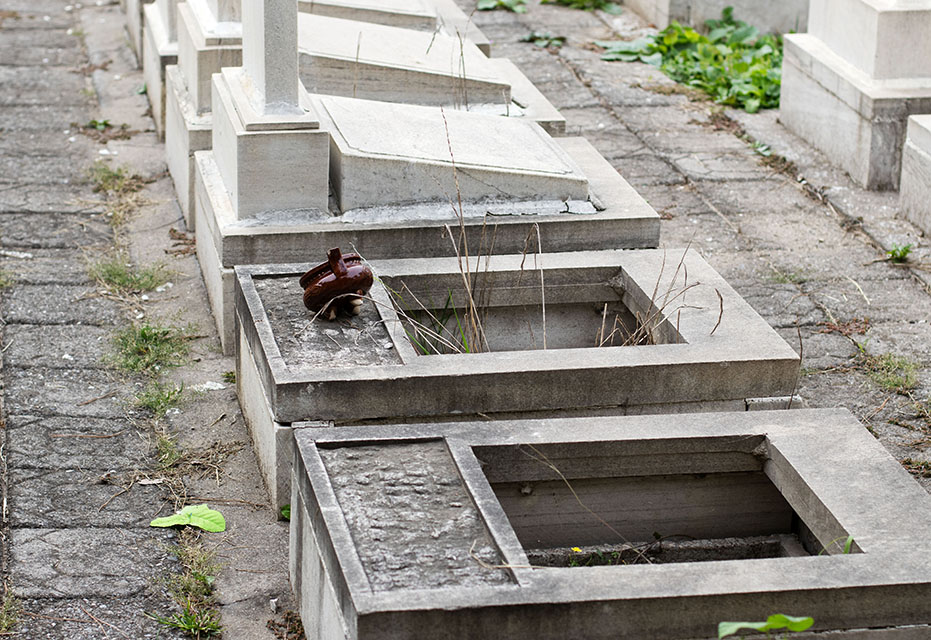
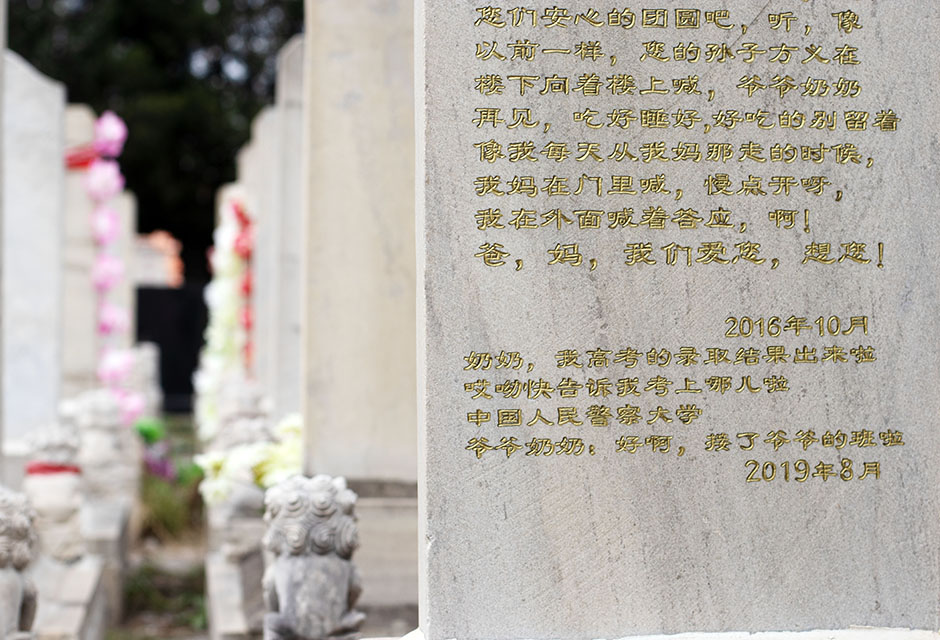
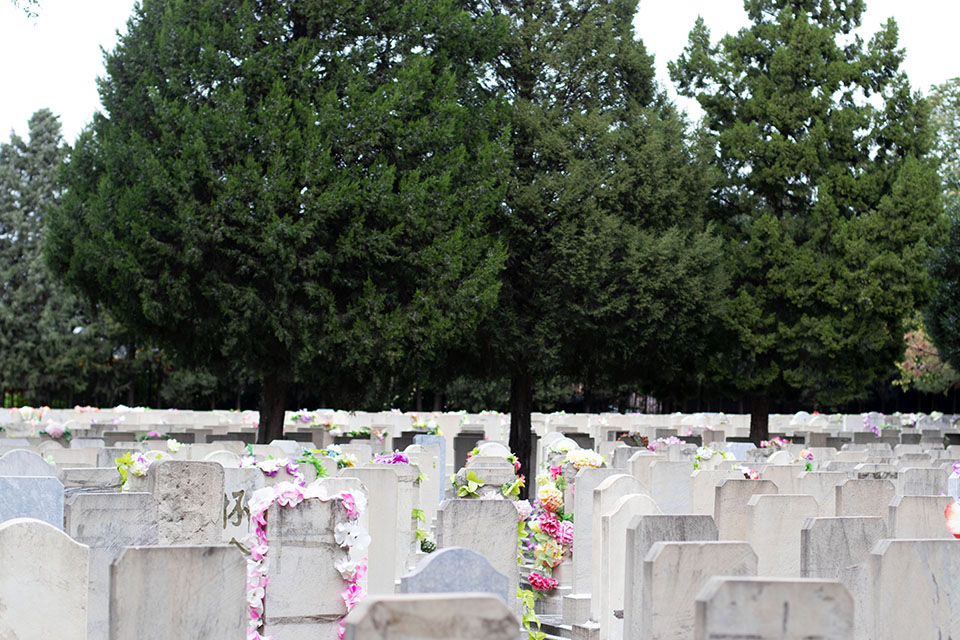
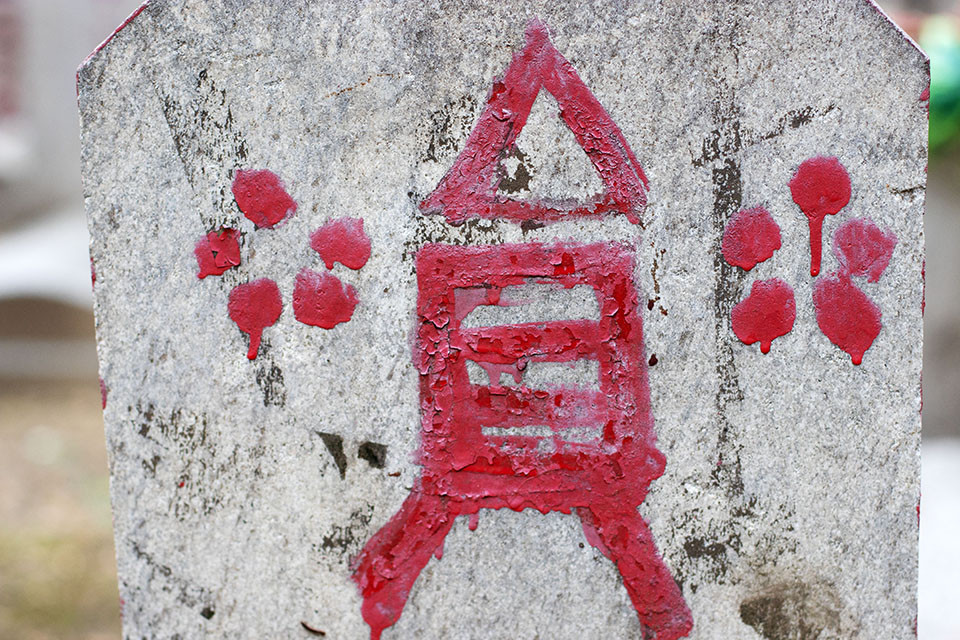
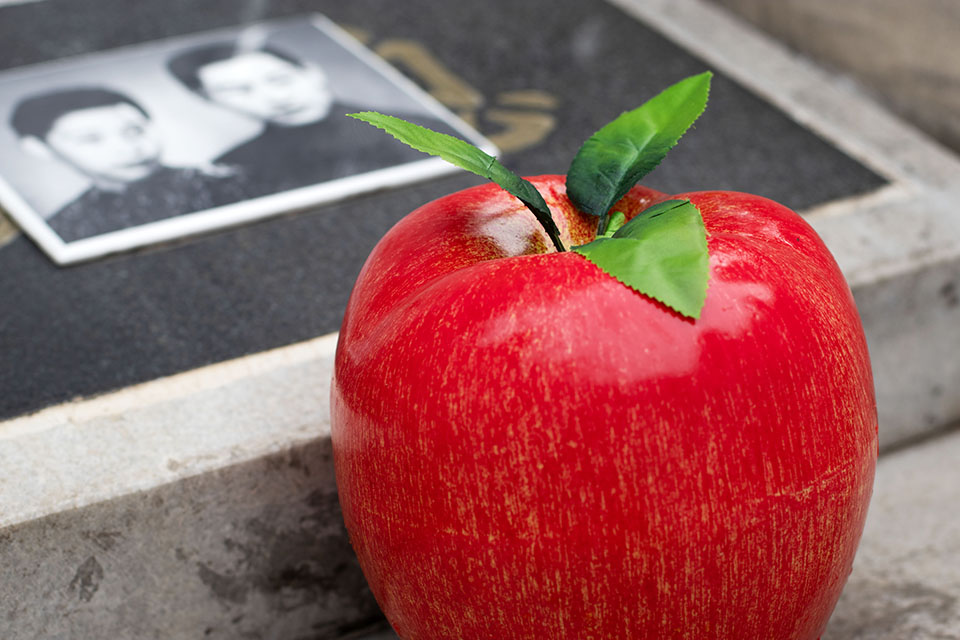
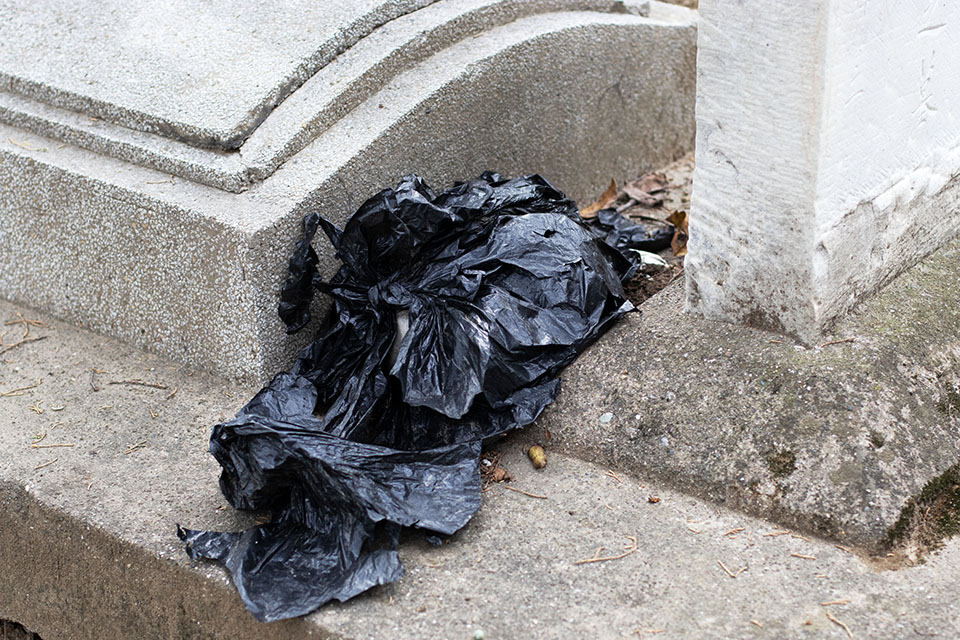
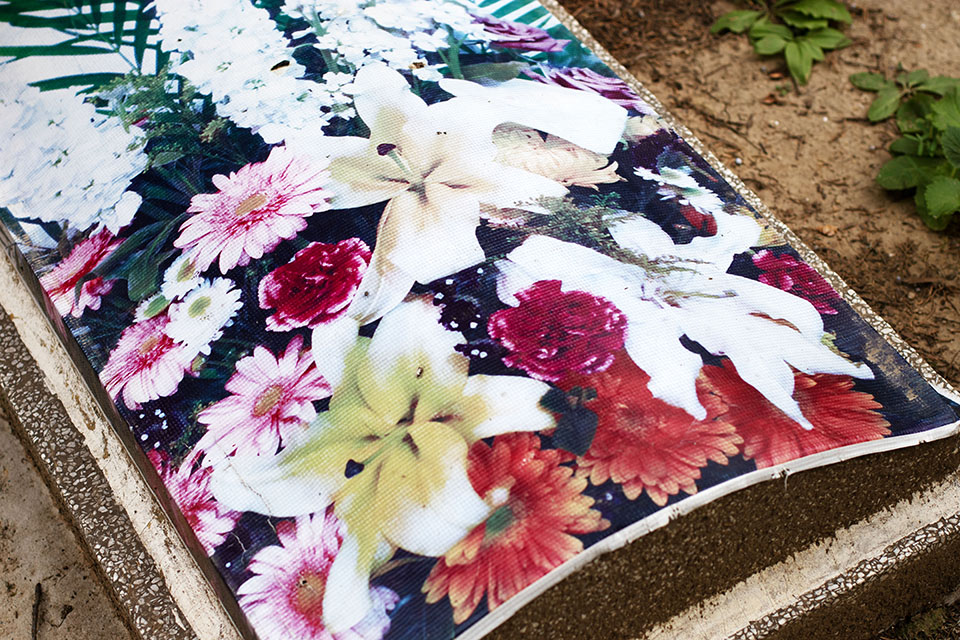
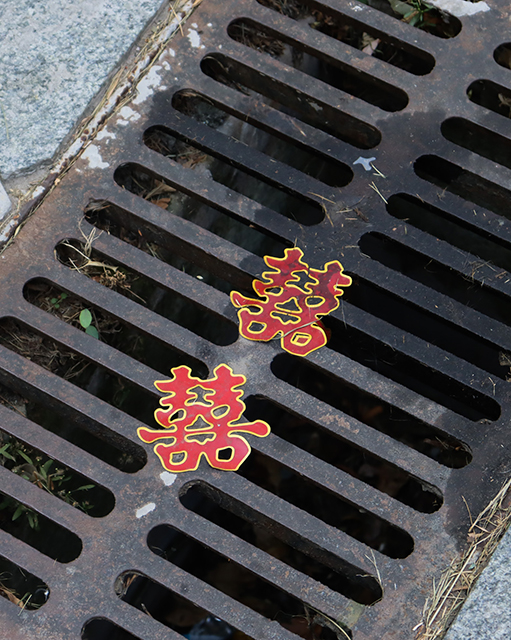
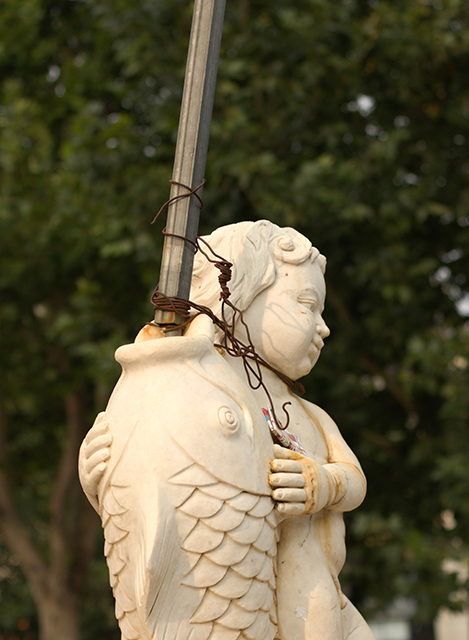
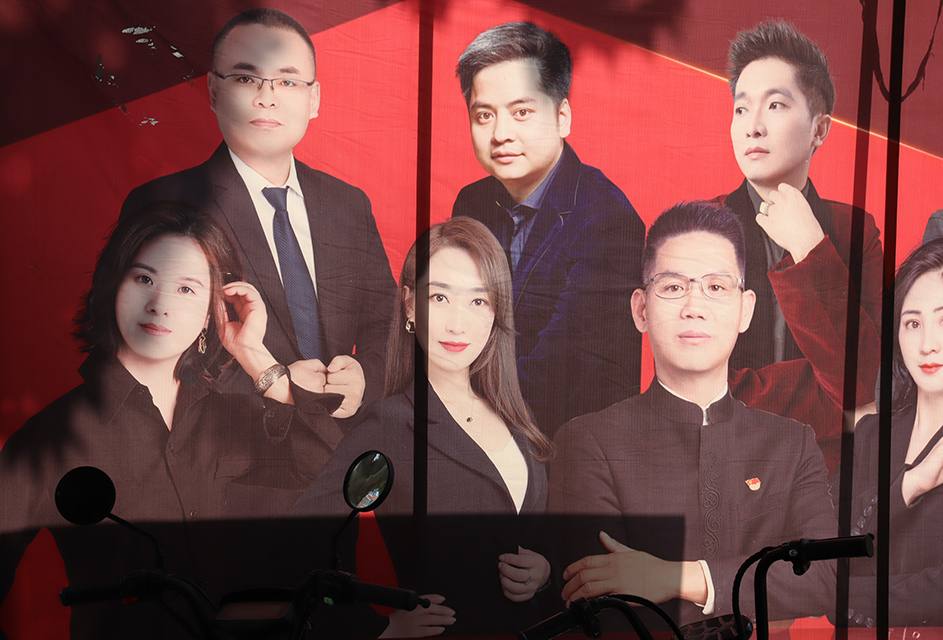
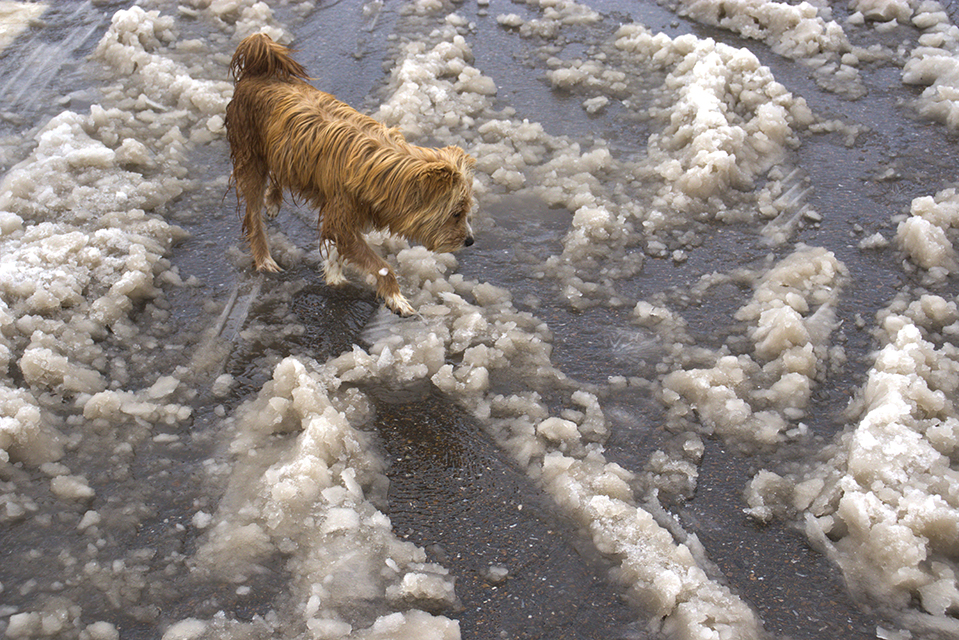
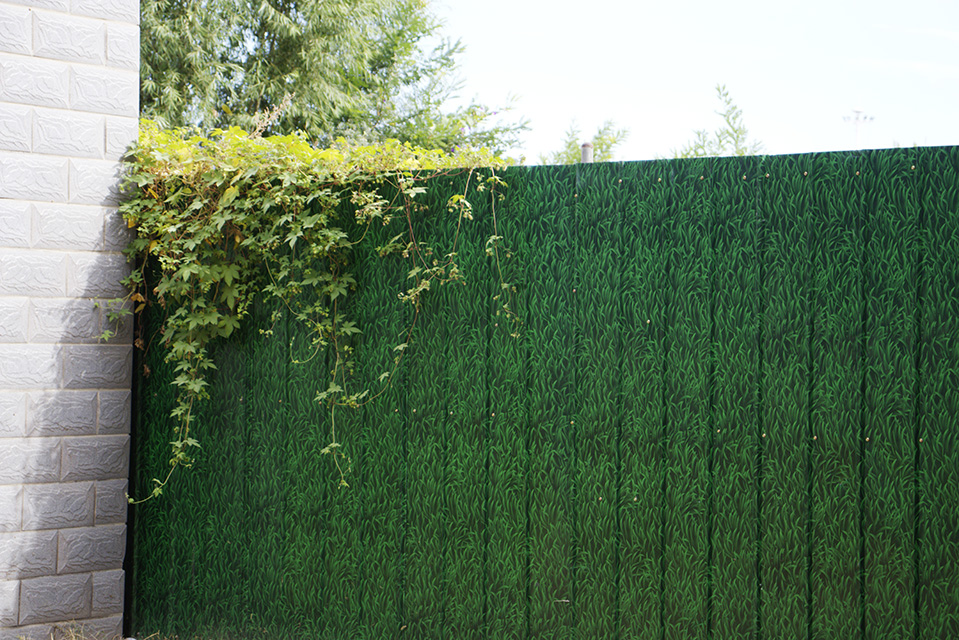
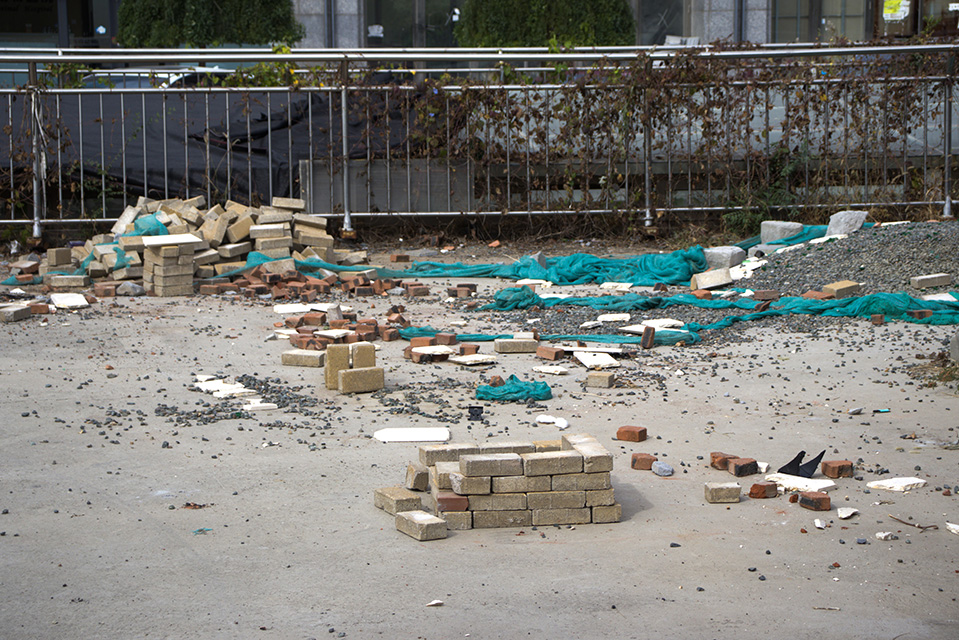
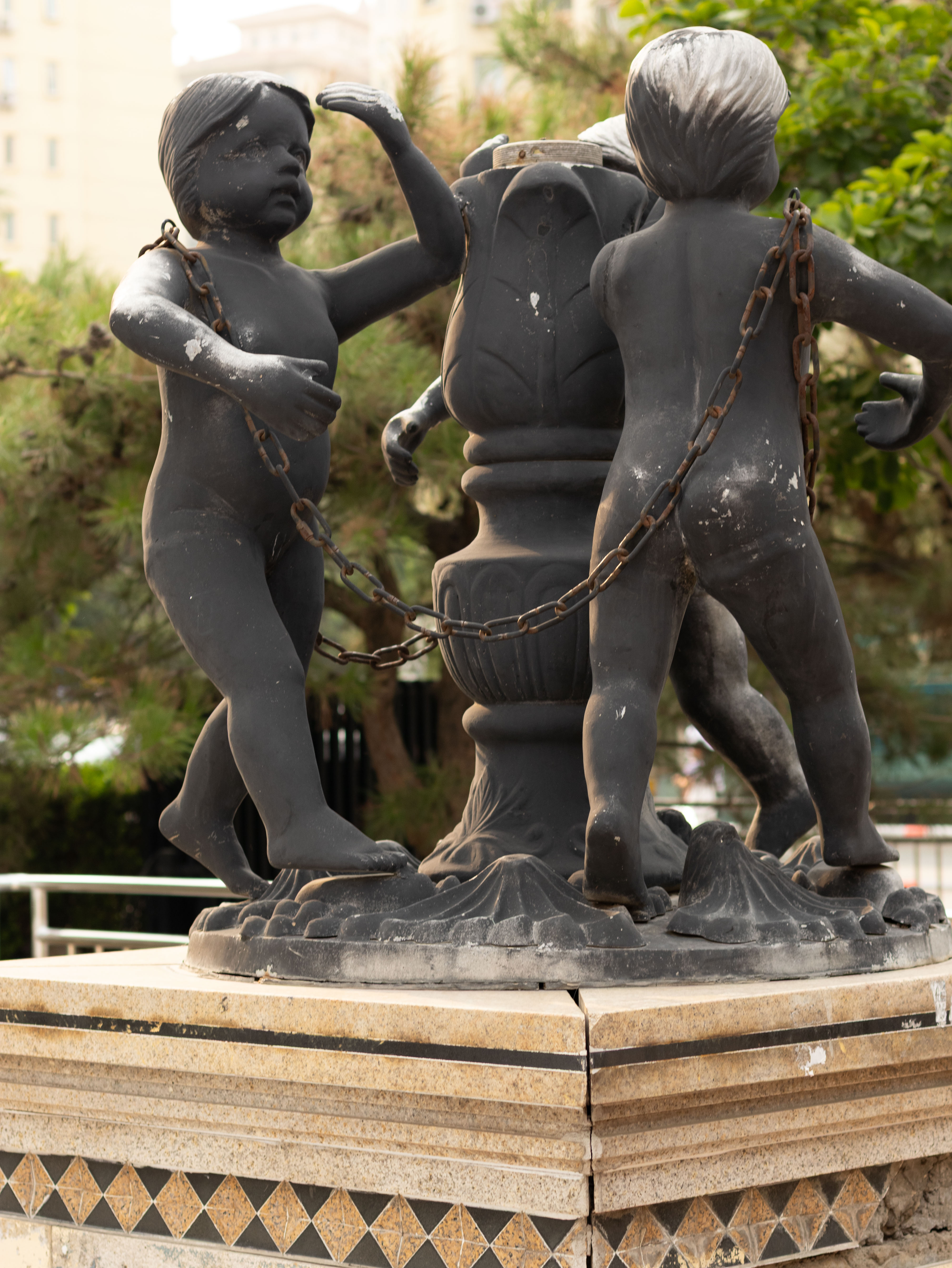
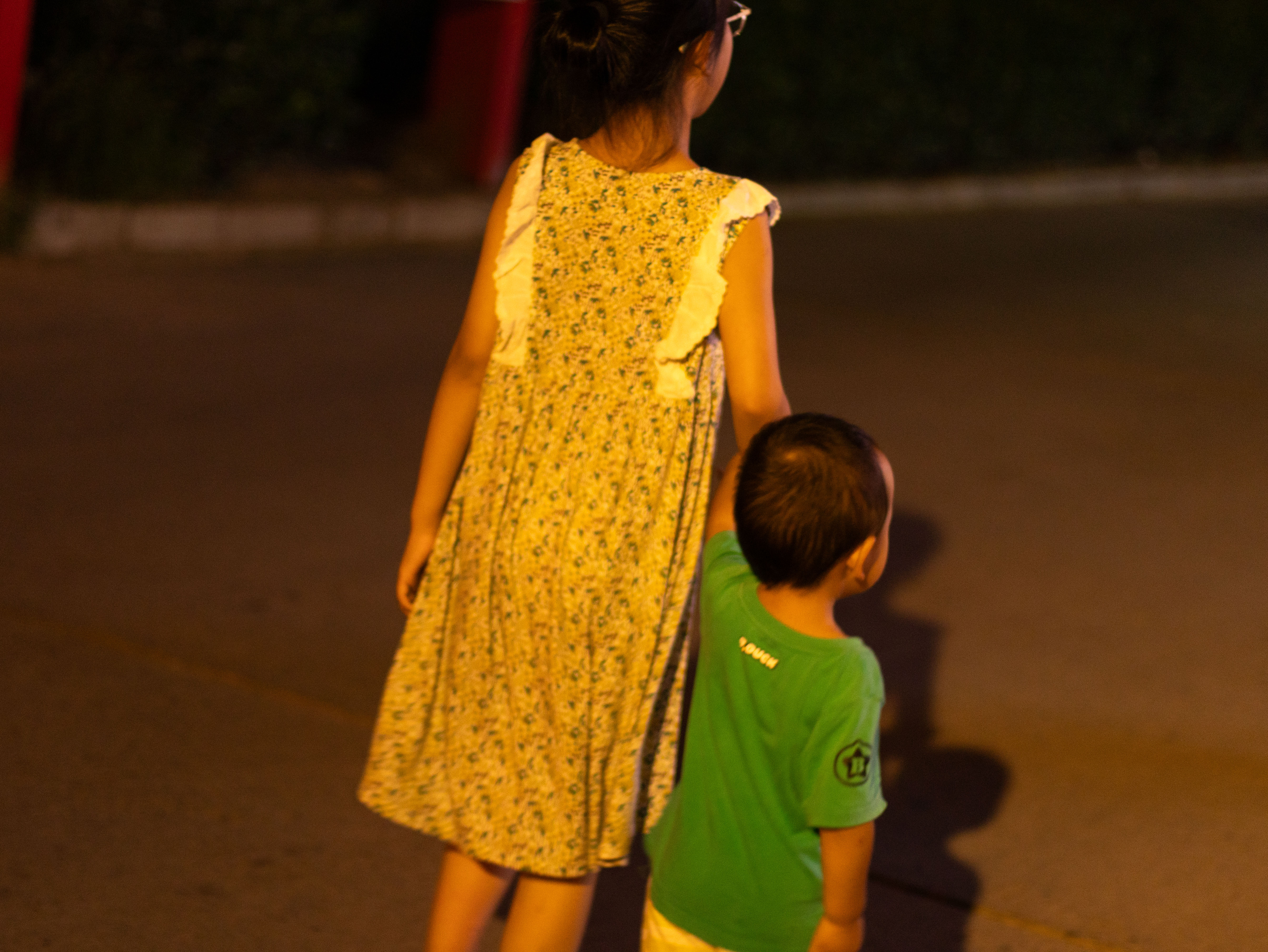
Babaoshan is a cemetery in the western suburbs of Beijing. Its full name is “Babaoshan Revolution Public Cemetery”. This place has nothing to do with ordinary people. It is where China’s top power elite are buried. Being buried here is a symbol of honor and privilege. Babaoshan is where the artist grew up, and she is very familiar with the area. In her spare time, she always likes to “flane” (stroll) in the Babaoshan cemetery. She often thinks of Charles Baudelaire’s “Sepulchre”: “If on a dark and leaden night Some Christian soul, through charity, Bury your body, once so bright, By some ruined tenement’s debris, At the dim hour when starlight ebbs And the stars doze against the dawn, There shall the spider weave his webs And there the viper breed his spawn….”
In 2009, the artist’s family moved from Babaoshan in Beijing to Yanjiao Town, Sanhe City, Langfang City, Hebei Province, which is located across the river from Tongzhou District, Beijing. That year, she was about to start primary school. According to the policy, children like her, who did not have Beijing resident status, were not eligible to study in Beijing.
At that time, Yanjiao Town had no asphalt roads, no shopping malls, no cafes, but there was sex trafficking, human trafficking, and gangs. She became particularly good friends with a few children who had been “expelled” from Beijing at the time. Their families were also very different from each other: some were Korean families from northeast China, some were business executives, and some were ordinary office workers… But they all came to this place for the sake of their children and national policies.
She lived here until she went to university, and now most of her friends have also left Yanjiao. As Beijing intensifies its efforts to expel low-end populations, Yanjiao Town has also become a densely populated “metropolis”. Most of the people here are young people from other places who come to Beijing to work with dreams. The longest commute to work can be up to four hours a day. Going from Yanjiao Town to Beijing is like going from one world to another.
Photography series
Babaoshan is a cemetery in the western suburbs of Beijing. Its full name is “Babaoshan Revolution Public Cemetery”. This place has nothing to do with ordinary people. It is where China’s top power elite are buried. Being buried here is a symbol of honor and privilege. Babaoshan is where the artist grew up, and she is very familiar with the area. In her spare time, she always likes to “flane” (stroll) in the Babaoshan cemetery. She often thinks of Charles Baudelaire’s “Sepulchre”: “If on a dark and leaden night Some Christian soul, through charity, Bury your body, once so bright, By some ruined tenement’s debris, At the dim hour when starlight ebbs And the stars doze against the dawn, There shall the spider weave his webs And there the viper breed his spawn….”
In 2009, the artist’s family moved from Babaoshan in Beijing to Yanjiao Town, Sanhe City, Langfang City, Hebei Province, which is located across the river from Tongzhou District, Beijing. That year, she was about to start primary school. According to the policy, children like her, who did not have Beijing resident status, were not eligible to study in Beijing.
At that time, Yanjiao Town had no asphalt roads, no shopping malls, no cafes, but there was sex trafficking, human trafficking, and gangs. She became particularly good friends with a few children who had been “expelled” from Beijing at the time. Their families were also very different from each other: some were Korean families from northeast China, some were business executives, and some were ordinary office workers… But they all came to this place for the sake of their children and national policies.
She lived here until she went to university, and now most of her friends have also left Yanjiao. As Beijing intensifies its efforts to expel low-end populations, Yanjiao Town has also become a densely populated “metropolis”. Most of the people here are young people from other places who come to Beijing to work with dreams. The longest commute to work can be up to four hours a day. Going from Yanjiao Town to Beijing is like going from one world to another.
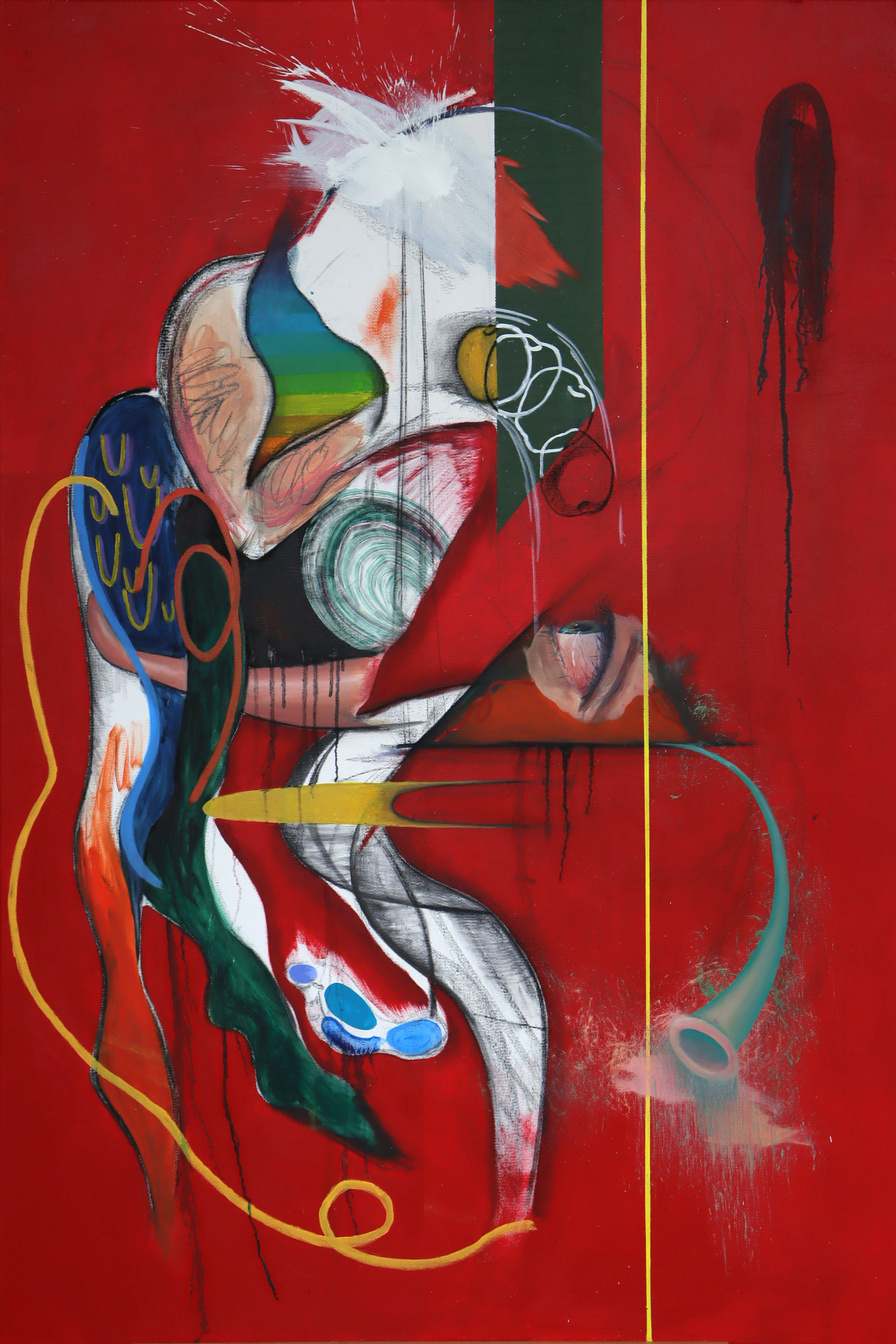
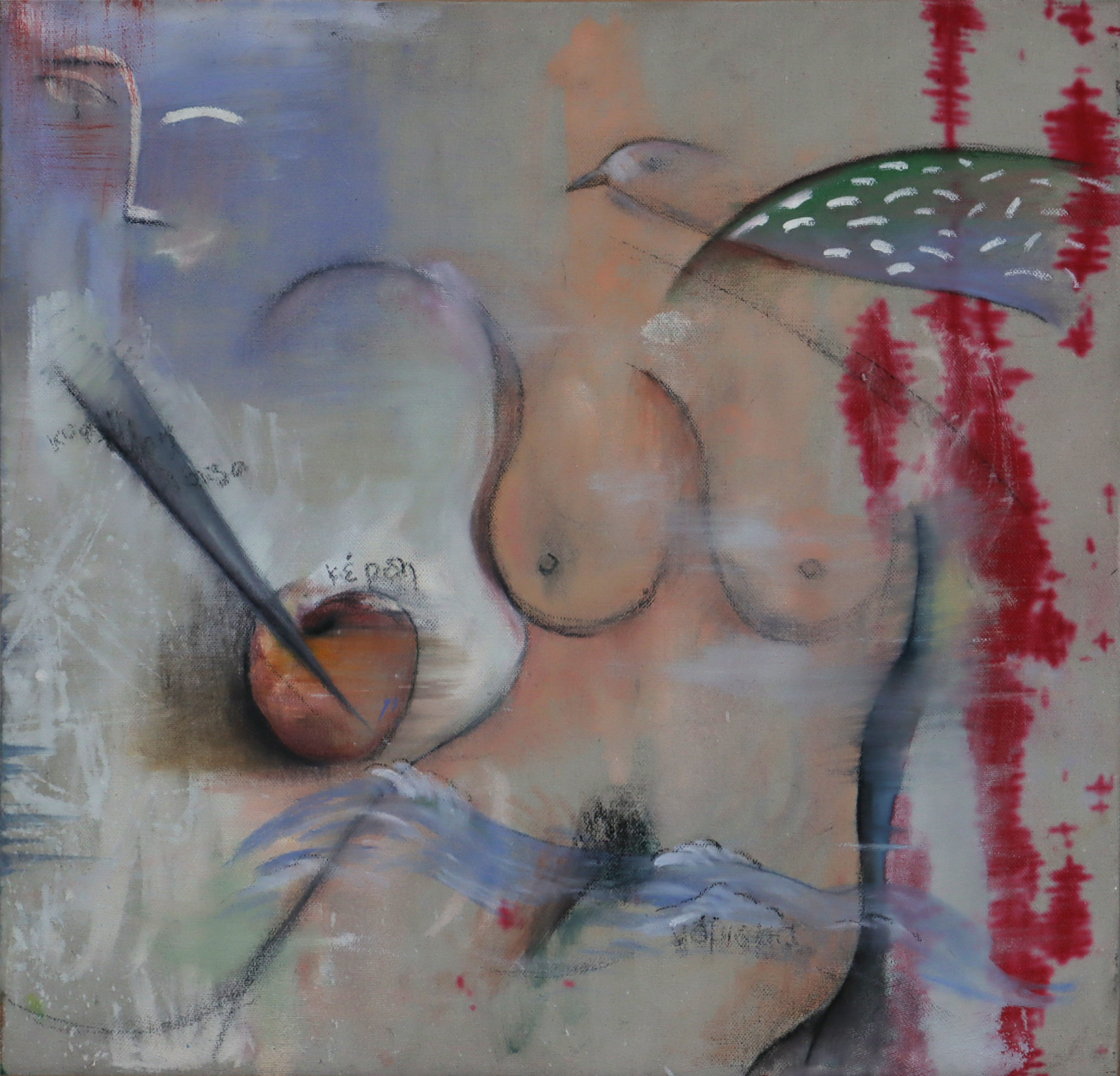
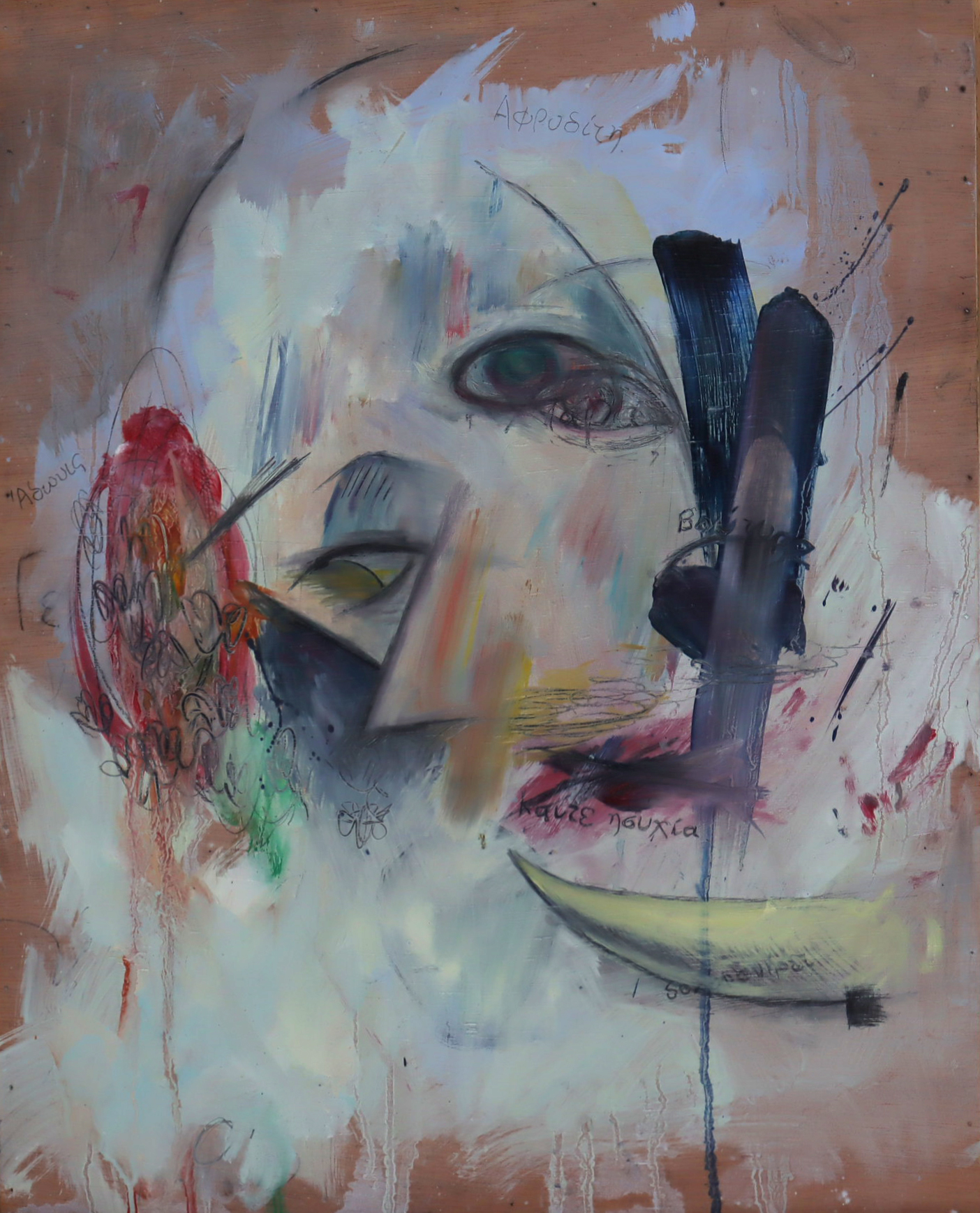
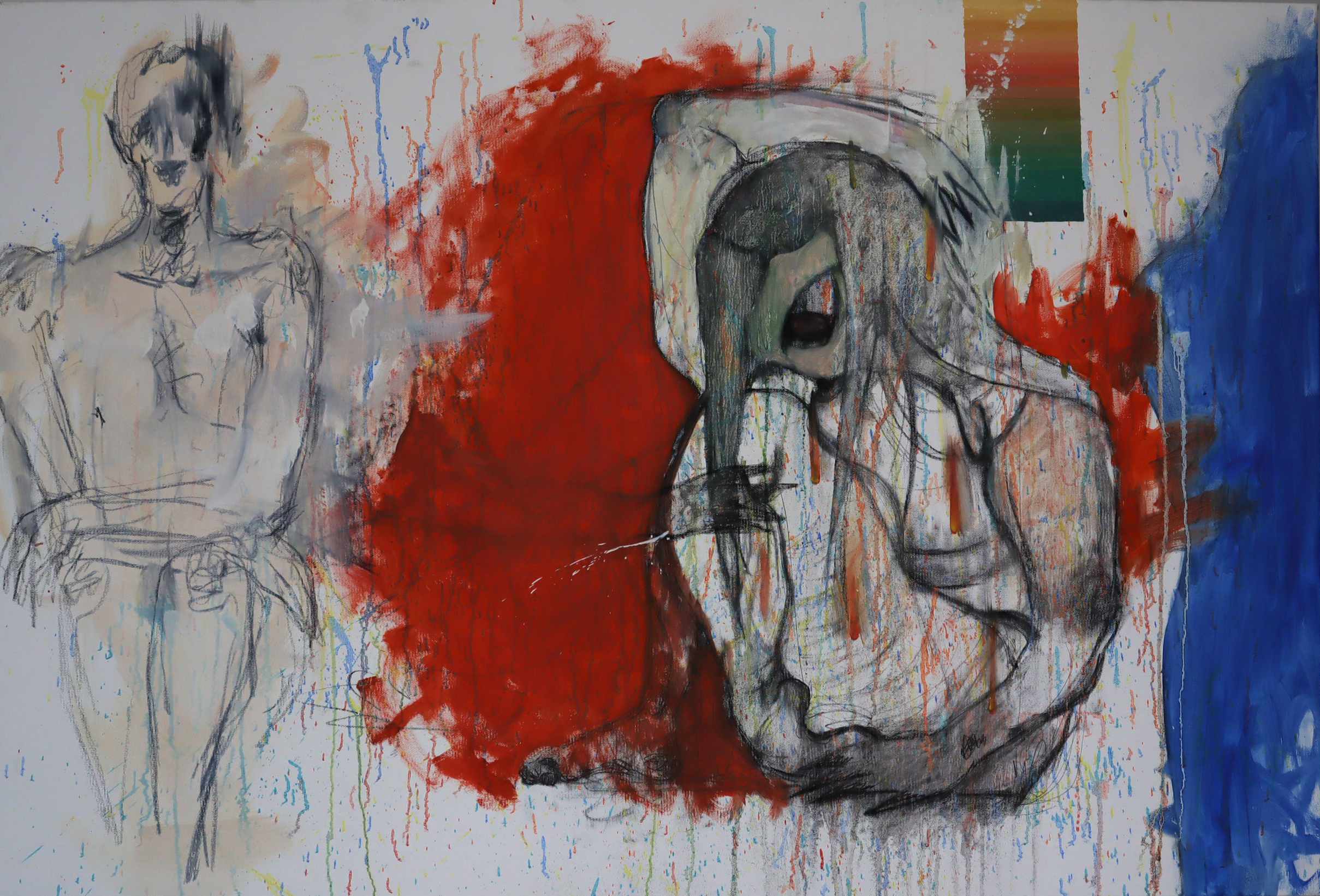
About Sappho, About Women, 2023-2024
(Click the image to view the full content)
Series Paintings
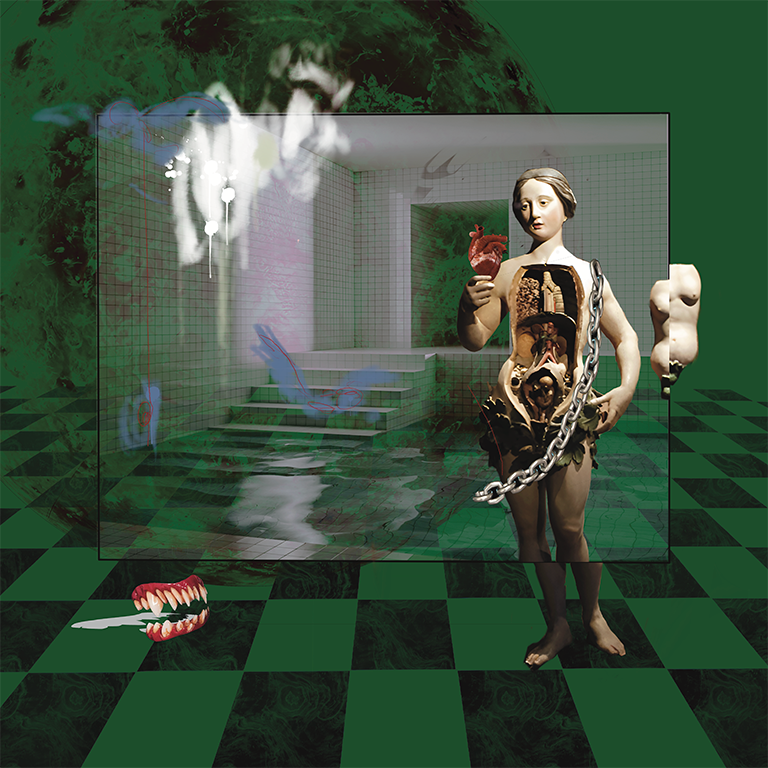
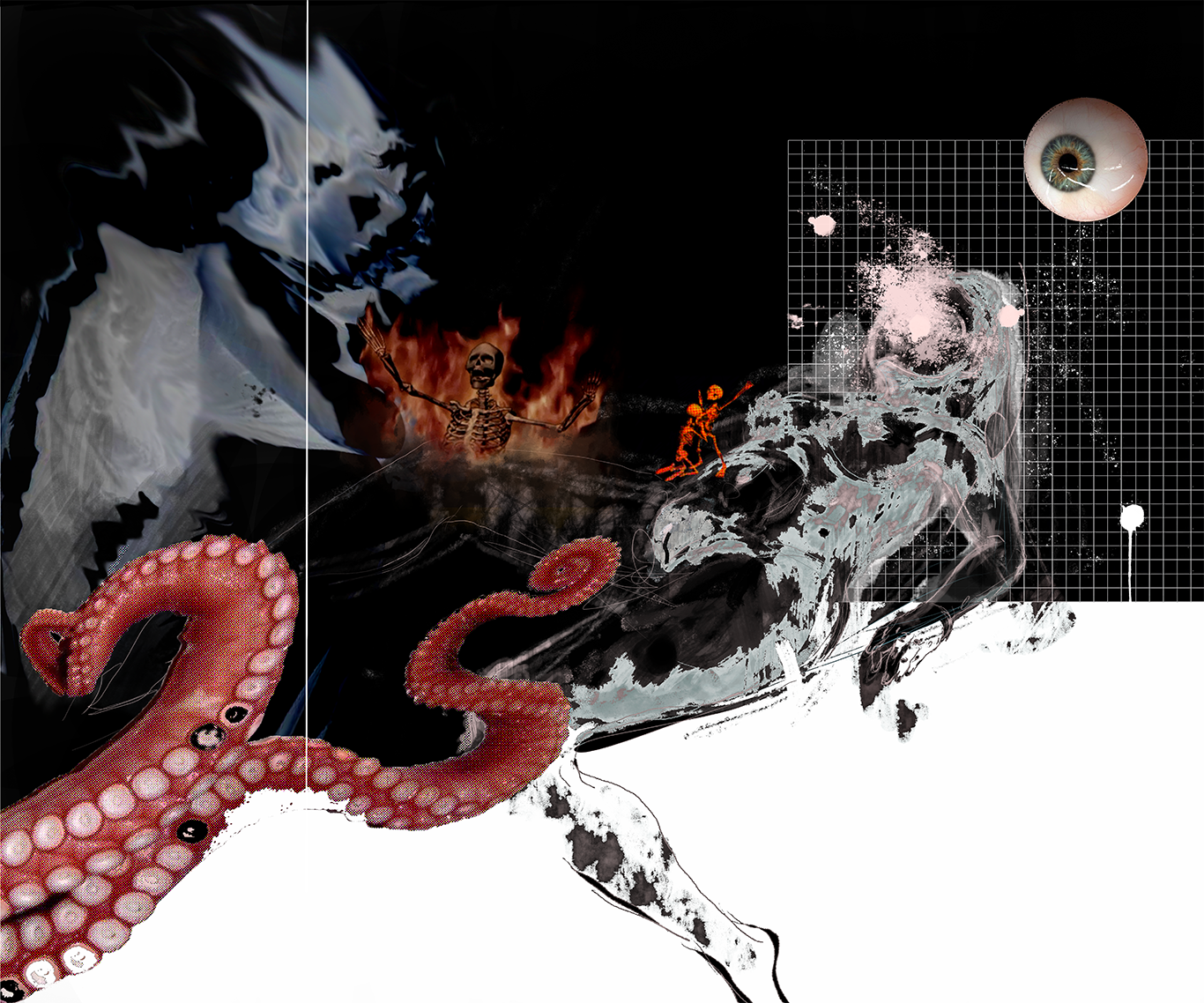
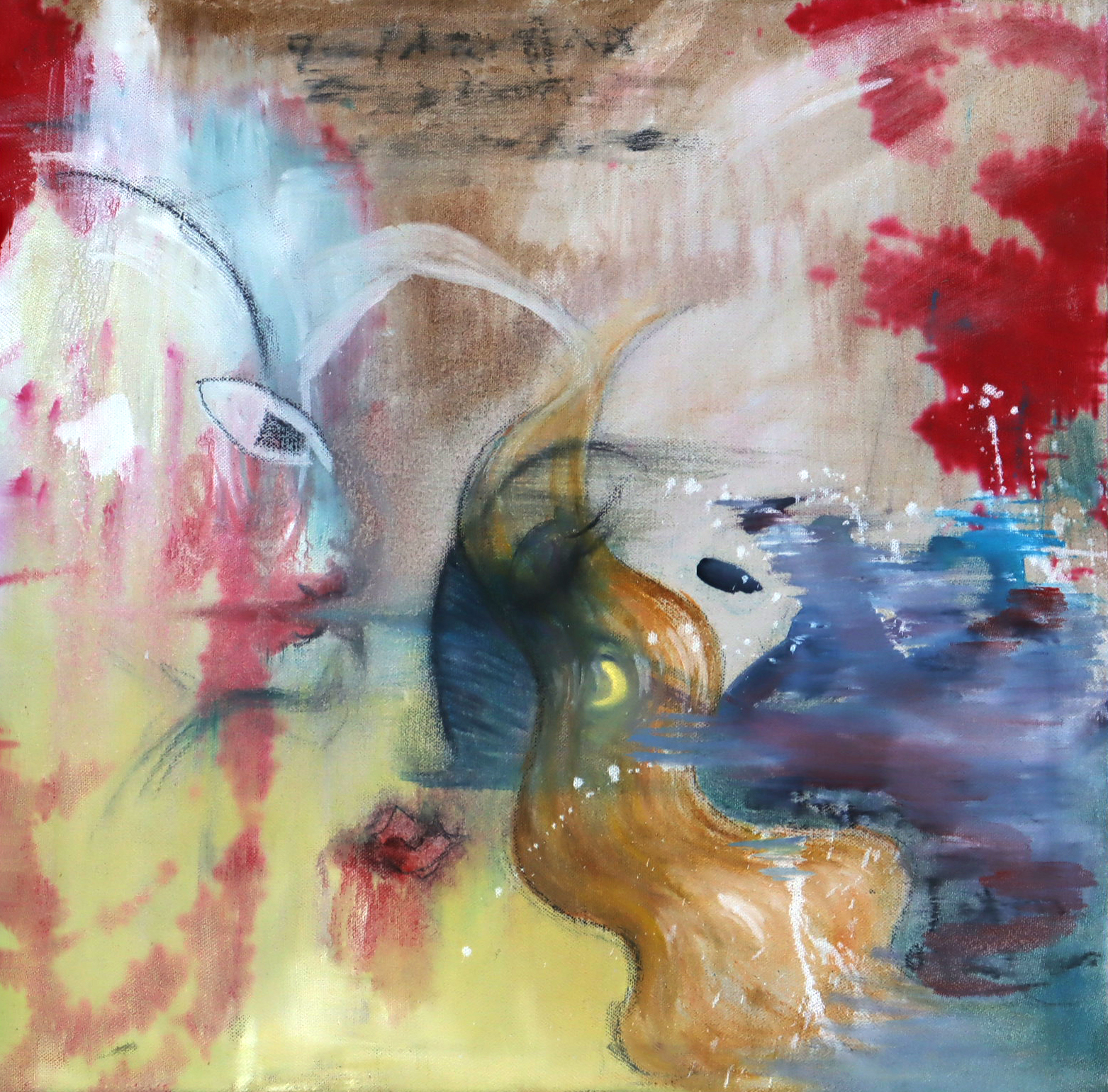
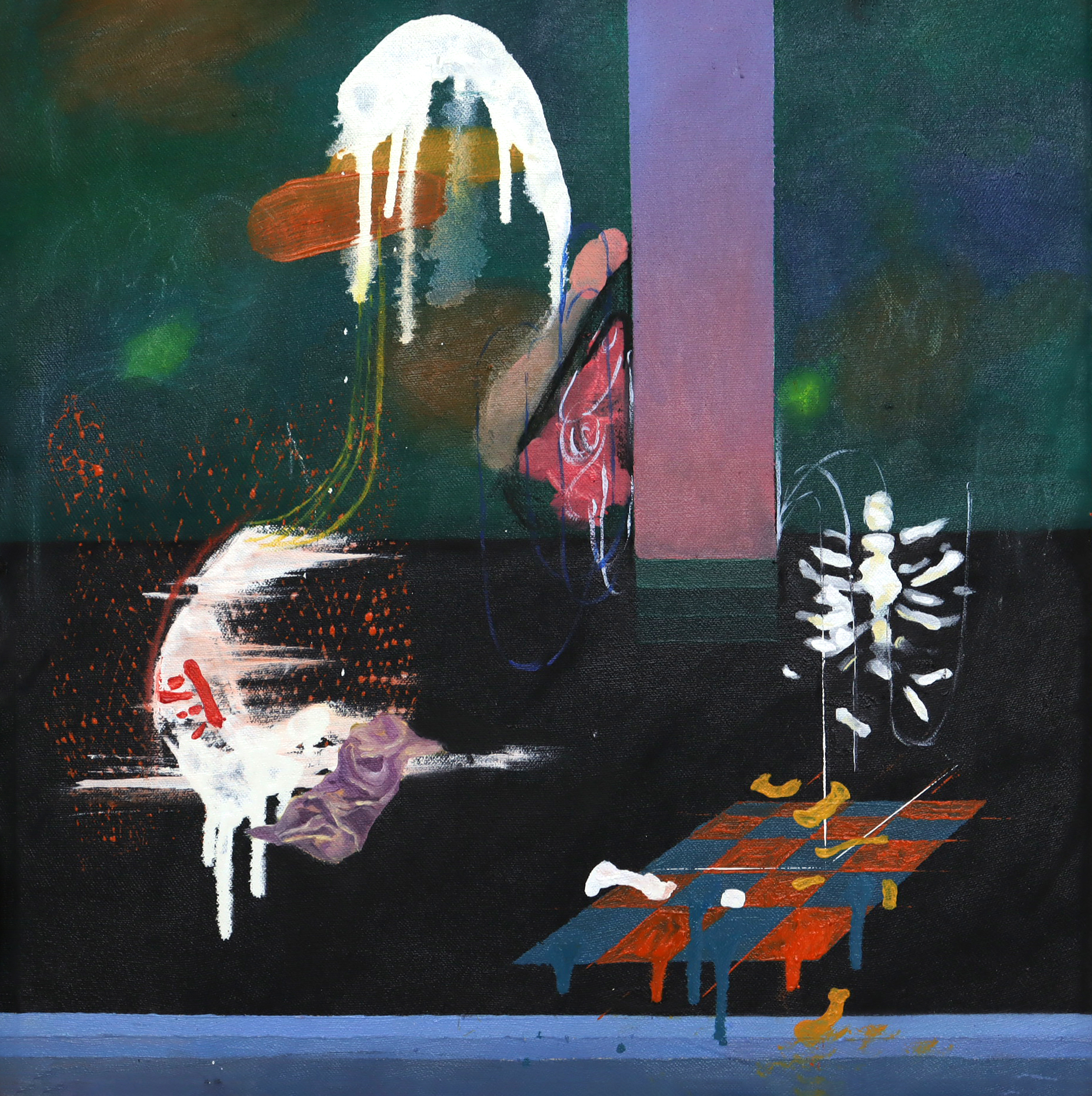
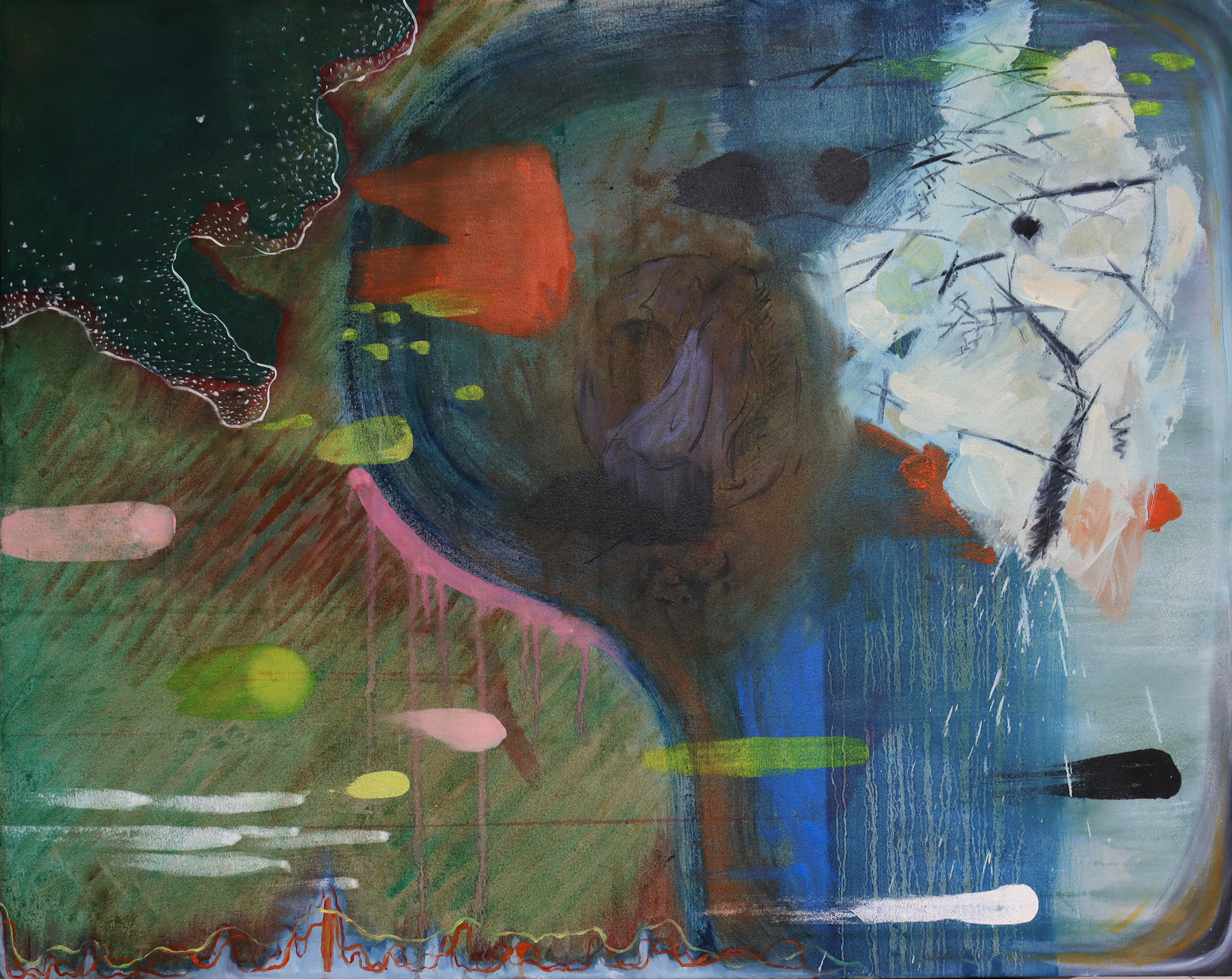
“…My tongue is torn, my body is on fire, my eyes are blind, my ears are ringing, I sweat and tremble, my face is green as grass. I am alive —but I feel like I am dying…” —‘30’, Sappho
Charles Baudelaire’s depiction of Lesbos and Sappho presents a fearless figure beyond the world, but also one full of contradictions, imperfections, and uncertainty. The artist resonates deeply with Sappho, believing that her “fierce and mysterious” emotions reflect the inner world of all women. Through performance, she seeks to express women’s existence and struggles, showing care through poetic actions.
Baudelaire described Sappho as “more beautiful than Venus” with a “melancholy pallor.” Reading her fragmented poetry reveals her tender love, heart-rending pain, and strong yet delicate emotions, which mirror the artist’s own experiences of strength extinguished by melancholy.
Sappho’s legacy is fragmented and reinterpreted over time, making a direct dialogue with her impossible. The artist’s work explores this gap by creating a personal dialogue with her own interpretation of Sappho.
This series works from Sappho’s poetry, not as rigid transformation but as an exploration of her portrayal across generations. By studying her works and legacy, the artist aims to express a hazy, anxious, yet bold temperament, blending her essence with her artistic voice.
Series Paintings
“…My tongue is torn, my body is on fire, my eyes are blind, my ears are ringing, I sweat and tremble, my face is green as grass. I am alive —but I feel like I am dying…” —‘30’, Sappho
Charles Baudelaire’s depiction of Lesbos and Sappho presents a fearless figure beyond the world, but also one full of contradictions, imperfections, and uncertainty. The artist resonates deeply with Sappho, believing that her “fierce and mysterious” emotions reflect the inner world of all women. Through performance, she seeks to express women’s existence and struggles, showing care through poetic actions.
Baudelaire described Sappho as “more beautiful than Venus” with a “melancholy pallor.” Reading her fragmented poetry reveals her tender love, heart-rending pain, and strong yet delicate emotions, which mirror the artist’s own experiences of strength extinguished by melancholy.
Sappho’s legacy is fragmented and reinterpreted over time, making a direct dialogue with her impossible. The artist’s work explores this gap by creating a personal dialogue with her own interpretation of Sappho.
This series works from Sappho’s poetry, not as rigid transformation but as an exploration of her portrayal across generations. By studying her works and legacy, the artist aims to express a hazy, anxious, yet bold temperament, blending her essence with her artistic voice.
Portrait of the Scars, 2024
(Click the image to view the full content)
Textiles and text
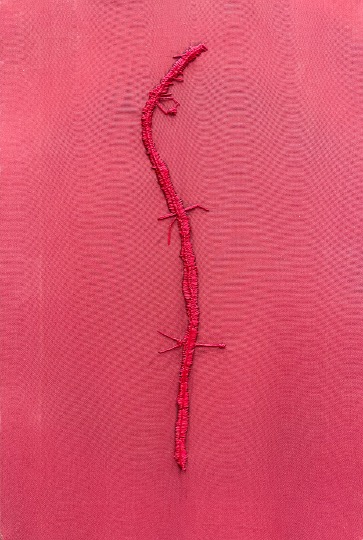
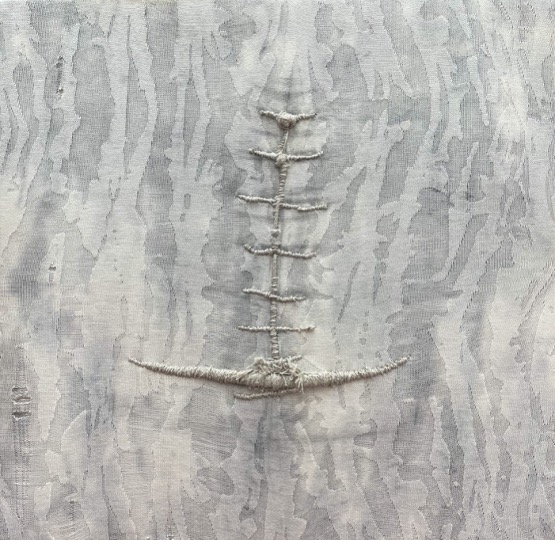
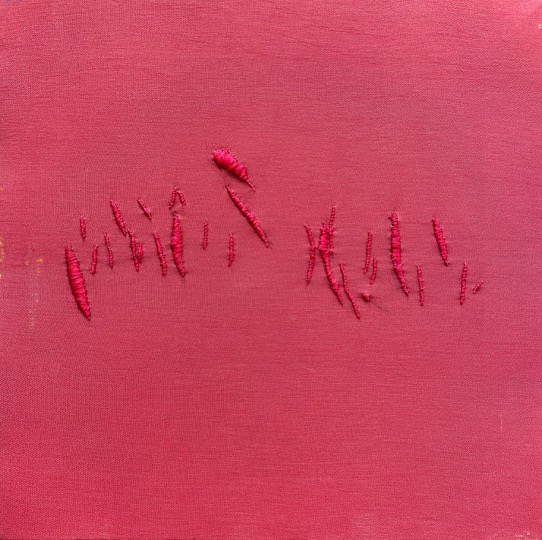
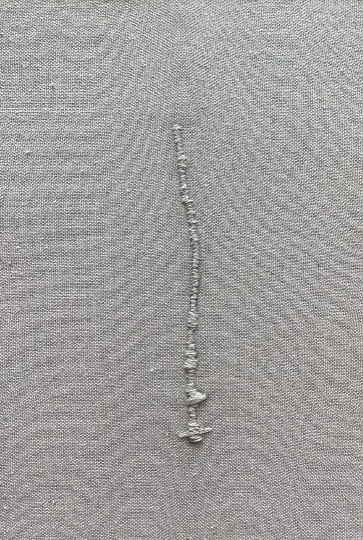
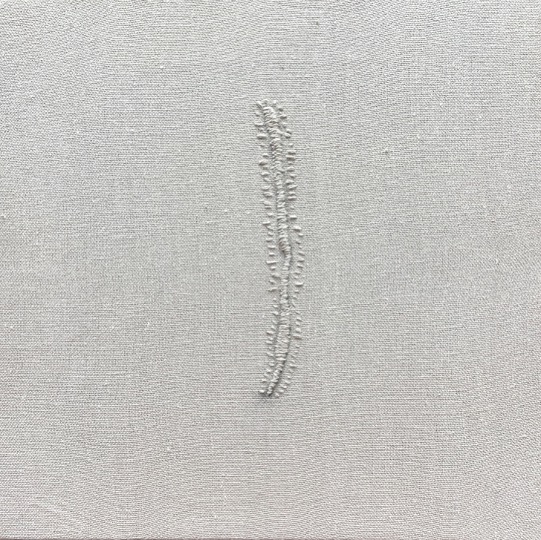
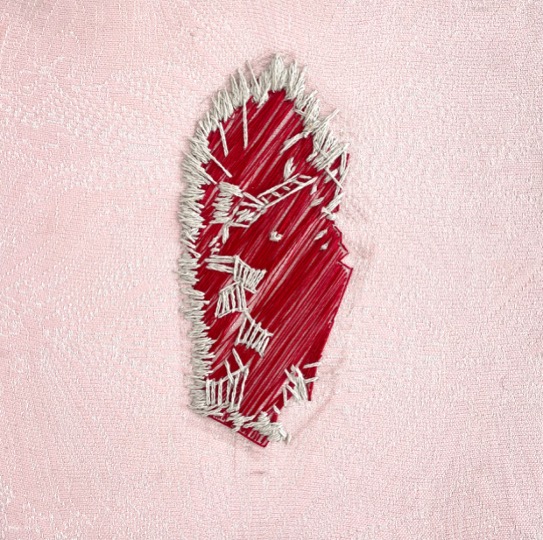
This series of works is created using only needles, threads, and fabric. The artist believes that needlework is a very feminine means of expression, because in the past, Chinese women were not allowed to use paper and pens. Their art was expressed through embroidery, and creating art with needles and thread is a feminine tradition.
As a child, the artist watched her grandmother do needlework beside her. She was oppressed her whole life and was not allowed to read, write, or paint. But while embroidering, she still expressed her love for the world with flowers and animals. However, after the cloth was stitched many times, it produced a kind of morbid protuberance. The artist feels that it is similar to a scar, which is the embodiment of memory in the flesh.
Some of the scars selected in the work come from the artist herself, and some come from those around her. These scars are always associated with childbirth, illness, and puberty. Behind each scar embroidery is a corresponding experience that is important to her. By placing the work together with the story behind it, she shows her personal history and some of her thoughts to others in this way.
Text:
1. Two months before I took the college entrance exam, my father was preparing for heart surgery in the hospital, the second surgery of his life. During this time, the pressure of my studies left me no time to take care of him. I wanted to go to the hospital to visit, but I was never able to prepare myself to face a seriously ill relative. My actions were interpreted as a lack of filial piety, and my mother severely scolded me. But I also couldn't understand why I couldn't do it.•I may never know just how dangerous this operation was. I can't know how my parents felt while they were waiting for the operation. I just remember my mother saying that when my father knew he had to have this operation, he held her hand every night when they went to bed for fear.•However, my father's pain and fear also affected me, as I was alone preparing for the college entrance exam. I was also suffering from a relationship setback. When I tried to put one foot out the window, my inner illness was perhaps no less severe than my father's. I was probably experiencing the most difficult moment to date.•After I finished my college entrance exams, I also received the news that the surgery was successful. Both events had a relatively satisfactory ending, but the scars on the body will never disappear, and neither will the memory.
2. I have scars on my left arm from cuts of various sizes. I first cut myself when I was 14 years old. I don't really remember why I did it, and the reasons for each cut were different. But generally speaking, I was pushed too hard, and I had no outlet for my emotions. I could only turn back on myself in various ways.•Although I haven't done this for many years, the scars are still visible. When someone notices them and asks me questions, especially children, I say I was scratched by a cat.
3. In 2016, my father underwent his first operation, a leg operation, because a tumour had grown on his knee. I was in junior high school at the time.•This tumour was the direct cause of my father's serious psychological problems. He was diagnosed with depression. Every morning, he would cry bitterly because he had been unable to sleep the night before. Whenever this happened, I would feel so scared that I would not dare to leave my room and see my father. My brother, however, could naturally go over and comfort him, but I could not do this. I never understood why.•Because I was afraid to face my father, I can barely remember what his face looked like, what his state was like, or what he said during that time. But every summer, I can see this scar on his leg.•In 2022, I finally returned home from school because of depression. My father comforted me and told me not to worry.•On 16 December 2024, my father said that he has been suffering from severe depression and anxiety recently, and I told him to go out and get some sun.
4. In 2018, my aunt gave birth to another child, her second child, who, like her first child, was a boy.After the baby was born, I heard her tell me herself that she felt depressed. I watched her give up her life again and distance herself from her friends.Every time relatives at home talked about her children, they would say with a bit of schadenfreude, ‘Another boy. These two boys are going to cost a lot of money, and they're not going to be easy to get rid of when the time comes...’As the only girl in my generation, I always felt very conflicted when I heard things like this.
5. I used to know an online friend of mine. She was three years older than me and was born in 2000. When she was 18, she became pregnant accidentally. With the advice of her family, she gave birth to her first child.Her husband and she were planning to have a second child, but during childbirth, for some reason, the foetusunfortunately died and was unable to come into the world.She once told me online that if she were a university student, she probably would have chosen not to have children.I lost contact with her later, and she stopped being active on social media, but the emotions in the words she said to me have stayed with me until now. The pain of giving birth twice and the regret of leaving social life early cannot be made up for, but in fact countless young girls have taken this path for various reasons.
6. When I was a child, the older girl in my neighborhood had a particularly large scar on her arm. I heard from the adults in the family that she had been too naughty as a child and had been scalded by hot water. Perhaps because of this scar, she had very few friends, but she was also very strong and often had a lot of fun playing alone.One day, she was spending time outside by herself as usual when an unfamiliar mother came by with her daughter. As they passed her, the mother whispered, ‘See, you must listen to adults, or else one day something will happen and you'll get such an ugly scar that you won't be able to get married...’I don't know if she heard the hurtful words, but I saw her run back home immediately
Textiles and text
This series of works is created using only needles, threads, and fabric. The artist believes that needlework is a very feminine means of expression, because in the past, Chinese women were not allowed to use paper and pens. Their art was expressed through embroidery, and creating art with needles and thread is a feminine tradition.
As a child, the artist watched her grandmother do needlework beside her. She was oppressed her whole life and was not allowed to read, write, or paint. But while embroidering, she still expressed her love for the world with flowers and animals. However, after the cloth was stitched many times, it produced a kind of morbid protuberance. The artist feels that it is similar to a scar, which is the embodiment of memory in the flesh.
Some of the scars selected in the work come from the artist herself, and some come from those around her. These scars are always associated with childbirth, illness, and puberty. Behind each scar embroidery is a corresponding experience that is important to her. By placing the work together with the story behind it, she shows her personal history and some of her thoughts to others in this way.
Text:
1. Two months before I took the college entrance exam, my father was preparing for heart surgery in the hospital, the second surgery of his life. During this time, the pressure of my studies left me no time to take care of him. I wanted to go to the hospital to visit, but I was never able to prepare myself to face a seriously ill relative. My actions were interpreted as a lack of filial piety, and my mother severely scolded me. But I also couldn't understand why I couldn't do it.•I may never know just how dangerous this operation was. I can't know how my parents felt while they were waiting for the operation. I just remember my mother saying that when my father knew he had to have this operation, he held her hand every night when they went to bed for fear.•However, my father's pain and fear also affected me, as I was alone preparing for the college entrance exam. I was also suffering from a relationship setback. When I tried to put one foot out the window, my inner illness was perhaps no less severe than my father's. I was probably experiencing the most difficult moment to date.•After I finished my college entrance exams, I also received the news that the surgery was successful. Both events had a relatively satisfactory ending, but the scars on the body will never disappear, and neither will the memory.
2. I have scars on my left arm from cuts of various sizes. I first cut myself when I was 14 years old. I don't really remember why I did it, and the reasons for each cut were different. But generally speaking, I was pushed too hard, and I had no outlet for my emotions. I could only turn back on myself in various ways.•Although I haven't done this for many years, the scars are still visible. When someone notices them and asks me questions, especially children, I say I was scratched by a cat.
3. In 2016, my father underwent his first operation, a leg operation, because a tumour had grown on his knee. I was in junior high school at the time.•This tumour was the direct cause of my father's serious psychological problems. He was diagnosed with depression. Every morning, he would cry bitterly because he had been unable to sleep the night before. Whenever this happened, I would feel so scared that I would not dare to leave my room and see my father. My brother, however, could naturally go over and comfort him, but I could not do this. I never understood why.•Because I was afraid to face my father, I can barely remember what his face looked like, what his state was like, or what he said during that time. But every summer, I can see this scar on his leg.•In 2022, I finally returned home from school because of depression. My father comforted me and told me not to worry.•On 16 December 2024, my father said that he has been suffering from severe depression and anxiety recently, and I told him to go out and get some sun.
4. In 2018, my aunt gave birth to another child, her second child, who, like her first child, was a boy.After the baby was born, I heard her tell me herself that she felt depressed. I watched her give up her life again and distance herself from her friends.Every time relatives at home talked about her children, they would say with a bit of schadenfreude, ‘Another boy. These two boys are going to cost a lot of money, and they're not going to be easy to get rid of when the time comes...’As the only girl in my generation, I always felt very conflicted when I heard things like this.
5. I used to know an online friend of mine. She was three years older than me and was born in 2000. When she was 18, she became pregnant accidentally. With the advice of her family, she gave birth to her first child.Her husband and she were planning to have a second child, but during childbirth, for some reason, the foetusunfortunately died and was unable to come into the world.She once told me online that if she were a university student, she probably would have chosen not to have children.I lost contact with her later, and she stopped being active on social media, but the emotions in the words she said to me have stayed with me until now. The pain of giving birth twice and the regret of leaving social life early cannot be made up for, but in fact countless young girls have taken this path for various reasons.
6. When I was a child, the older girl in my neighborhood had a particularly large scar on her arm. I heard from the adults in the family that she had been too naughty as a child and had been scalded by hot water. Perhaps because of this scar, she had very few friends, but she was also very strong and often had a lot of fun playing alone.One day, she was spending time outside by herself as usual when an unfamiliar mother came by with her daughter. As they passed her, the mother whispered, ‘See, you must listen to adults, or else one day something will happen and you'll get such an ugly scar that you won't be able to get married...’I don't know if she heard the hurtful words, but I saw her run back home immediately