Exhibitions
2026 >
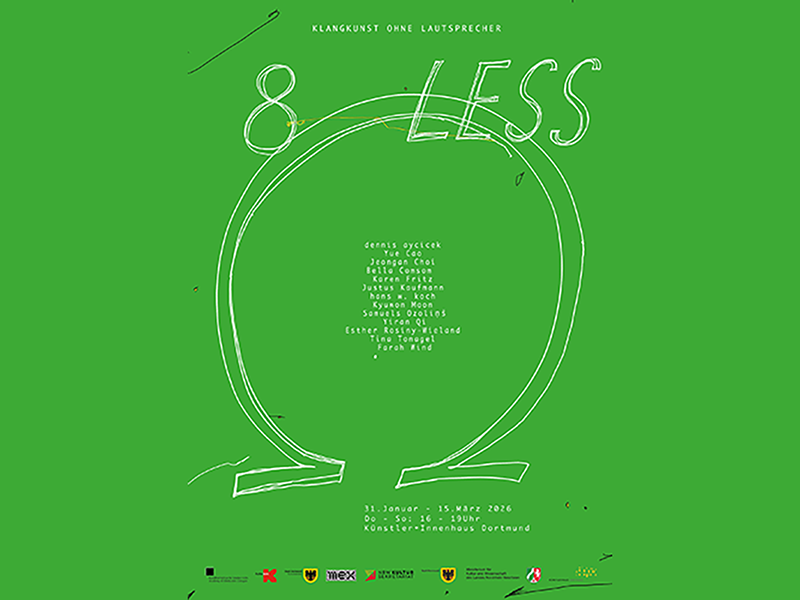
8 Ω Less—Klang Kunst ohne Lautsprecher, Künstler:innenhaus Dortmund, Dortmund, Germany.>
.png)
.png)
Stroking, scratching, striking, plucking, scraping, blowing, imagining – this exhibition focuses on the creation of sounds through mechanical processes. The artists explore sound as a sculptural medium, deal with aspects of auditory perception and reflect on the aesthetic and conceptual possibilities of sound-producing objects in space. Tools include Arduinos, sensors and motors, but also water and air. Only loudspeakers are not permitted. The exhibition is being held in cooperation with the sound department of the Academy of Media Arts Cologne.
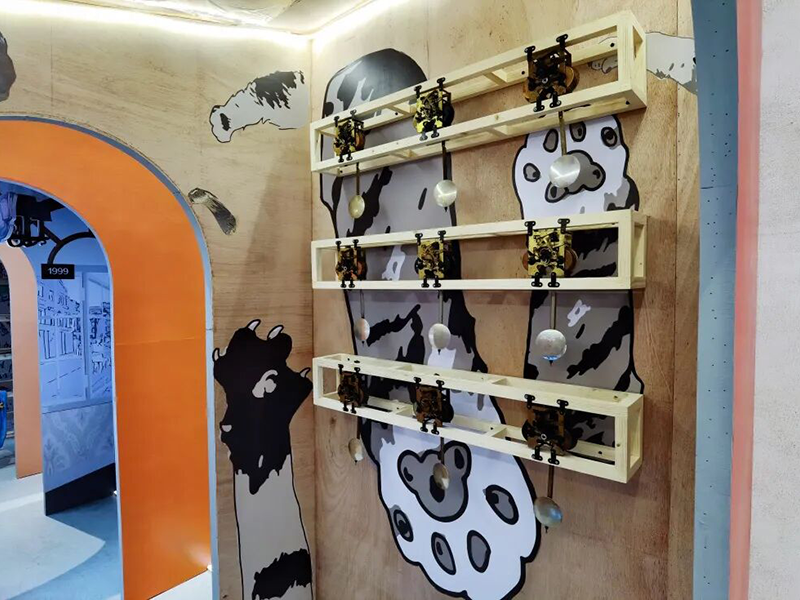
The work primarily consists of an invisible sound installation and an uncontrollable sound installation, embodying the liberating power of sound—its invisibility and uncontrollability. During my collective university life in China, the sound of chairs scraping against the floor, transmitted through the ceiling, always filled me with inexplicable anxiety and kept me awake. I believe this anxiety stemmed first from the direction and timbre of the sound, and second from the invisibility and uncontrollability of its source. Within an artificially constructed ceiling, two mechanical devices continuously push and pull chairs, generating sharp scraping sounds as they rub against the floor. Passersby beneath the ceiling can clearly hear the noise, yet the installation itself remains perpetually invisible. Another component of the work is the inner mechanism of a clock, embedded with sensors that detect nearby presence. When someone approaches, the clock's time accelerates, and the rhythm of its chimes quickens—as if time itself is fleeing, and the sound is fleeing with it. Furthermore, juxtaposing a visible sound installation with an invisible one prompts reflection: What exactly constitutes a sound installation? If the “installation” component of a “sound installation” remains unseen, does it still qualify as such for the audience? And how crucial are visual elements in defining a sound installation?
The work primarily consists of an invisible sound installation and an uncontrollable sound installation, embodying the liberating power of sound—its invisibility and uncontrollability. During my collective university life in China, the sound of chairs scraping against the floor, transmitted through the ceiling, always filled me with inexplicable anxiety and kept me awake. I believe this anxiety stemmed first from the direction and timbre of the sound, and second from the invisibility and uncontrollability of its source. Within an artificially constructed ceiling, two mechanical devices continuously push and pull chairs, generating sharp scraping sounds as they rub against the floor. Passersby beneath the ceiling can clearly hear the noise, yet the installation itself remains perpetually invisible. Another component of the work is the inner mechanism of a clock, embedded with sensors that detect nearby presence. When someone approaches, the clock's time accelerates, and the rhythm of its chimes quickens—as if time itself is fleeing, and the sound is fleeing with it. Furthermore, juxtaposing a visible sound installation with an invisible one prompts reflection: What exactly constitutes a sound installation? If the “installation” component of a “sound installation” remains unseen, does it still qualify as such for the audience? And how crucial are visual elements in defining a sound installation?
Urban Stage Project, Kunsthaus Lempertz, Cologne, Germany.>
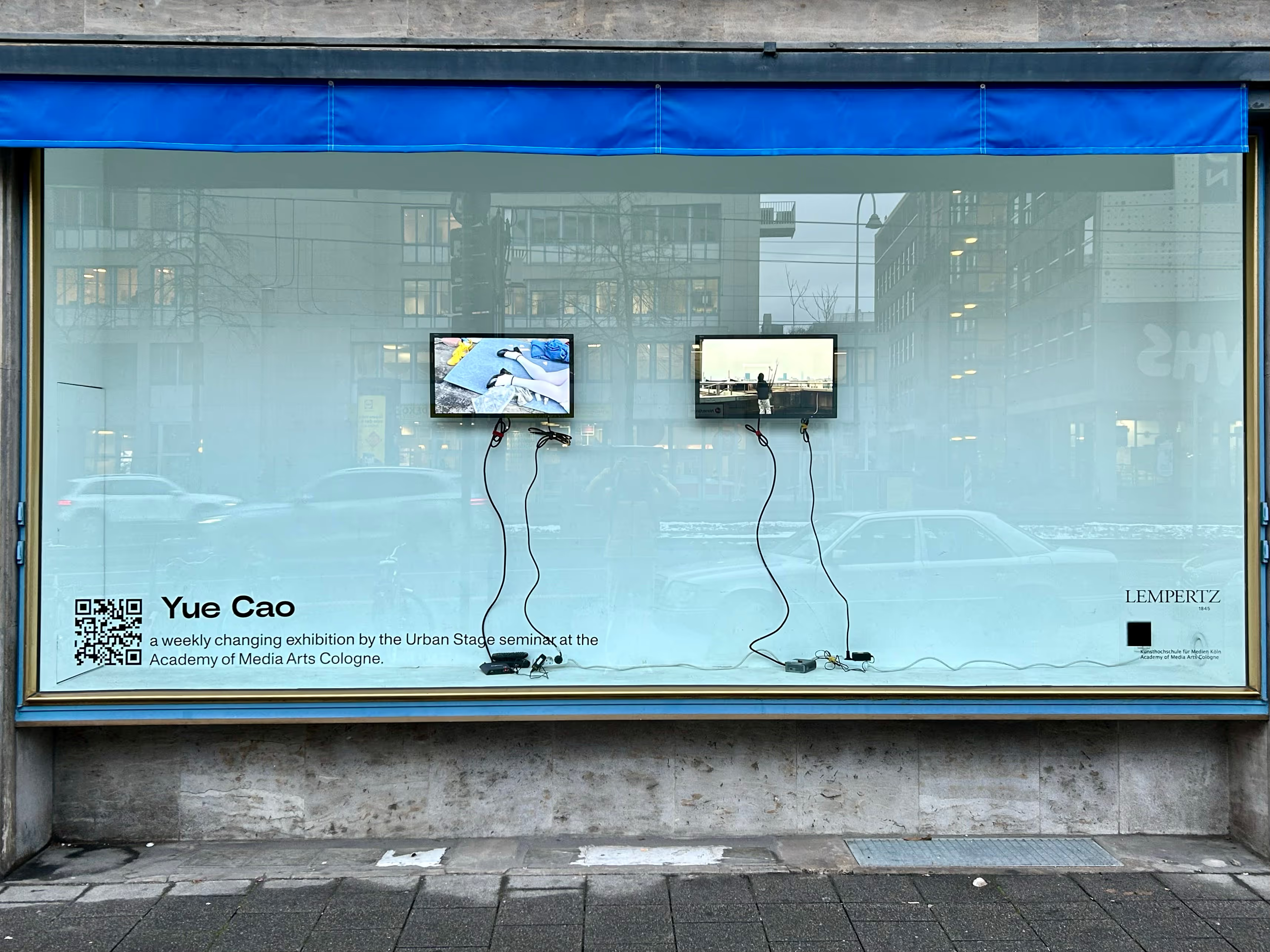
Since 27 May, one to three artists have been presenting new works every week in the window of the Kunsthaus Lempertz on Cäcilienstraße. Students participating in Prof. Mischa Kuball's "Urban Stage" seminar explore the urban space opened up by a shop window from their individual perspectives.
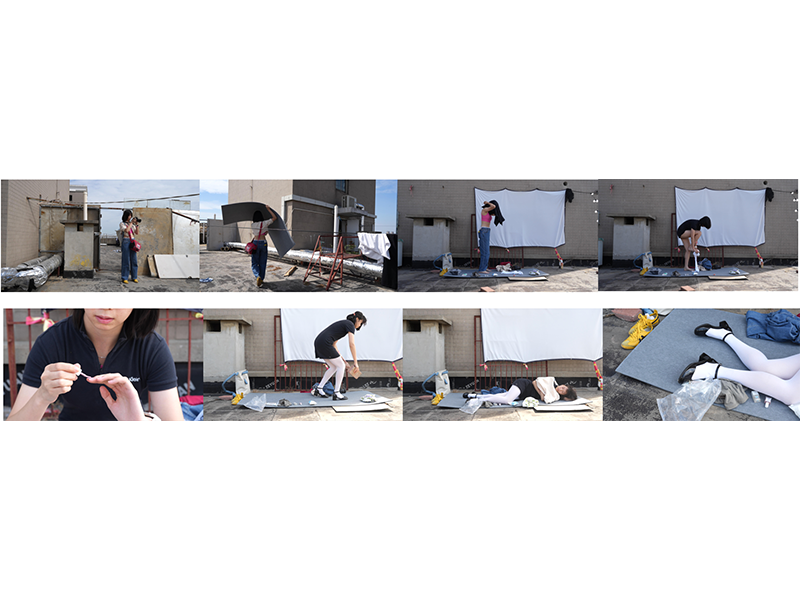
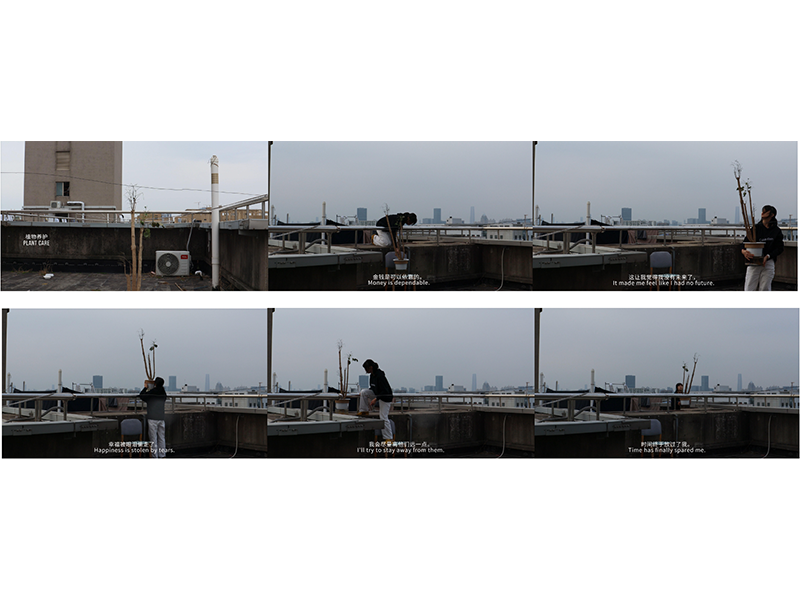
The Rooftop Performance project comprises two video installations documenting performances staged on the roof of the same building. This ageing building in Wuhan, China, is a dimly lit, crowded and complex place where young people of modest means gather for entertainment and consumption. For the artist, the rooftop space represents a fascinating and complex terrain – at once public and private, hidden and yet dangerous. Although it is located within the city skyline, it conceals all kinds of dirt and secrets. The rooftop performance is the artist's response to the social plight of Asian women. Through actions such as photography, staging and costume changes, the artist transforms herself from her identity as an artist into an ambiguous portrait of an Asian woman. By revealing her private life, she criticises the living conditions of Asian women, who lack genuine support, authentic private space and stable private property. The interaction with the abandoned plant on the roof focuses on issues of poverty and safety for women. A woman who had been tragically kidnapped and abused once turned to the camera and said, "This world doesn't want me anymore." When the artist saw this dying plant, she immediately remembered these words. By moving the plant from a hidden corner to the highest point of the roof and incorporating a collage poem made up of suicide notes from various women within the work, the plant is imbued with a strong inclination – either towards liberation from its shackles or towards self-destruction.
The Rooftop Performance project comprises two video installations documenting performances staged on the roof of the same building. This ageing building in Wuhan, China, is a dimly lit, crowded and complex place where young people of modest means gather for entertainment and consumption. For the artist, the rooftop space represents a fascinating and complex terrain – at once public and private, hidden and yet dangerous. Although it is located within the city skyline, it conceals all kinds of dirt and secrets. The rooftop performance is the artist's response to the social plight of Asian women. Through actions such as photography, staging and costume changes, the artist transforms herself from her identity as an artist into an ambiguous portrait of an Asian woman. By revealing her private life, she criticises the living conditions of Asian women, who lack genuine support, authentic private space and stable private property. The interaction with the abandoned plant on the roof focuses on issues of poverty and safety for women. A woman who had been tragically kidnapped and abused once turned to the camera and said, "This world doesn't want me anymore." When the artist saw this dying plant, she immediately remembered these words. By moving the plant from a hidden corner to the highest point of the roof and incorporating a collage poem made up of suicide notes from various women within the work, the plant is imbued with a strong inclination – either towards liberation from its shackles or towards self-destruction.
2025 >
PERPETUAL-FLOWING: Inaugural Exhibition of the Nine Major Art Academies, BYD Art Space, Henan, China. >
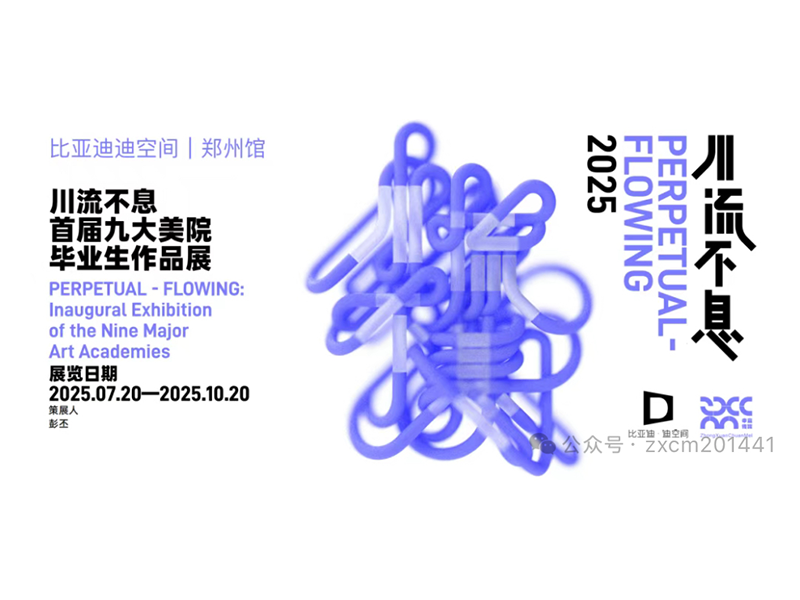
Throughout the long river of human history, countless transformations and developments have unfolded, with its enduring vitality stemming from the relentless pursuit of knowledge by generation after generation of young people. This exhibition of graduate works from China's nine prestigious art academies stands as the finest interpretation and embodiment of this tenacious and enduring vitality. The ceaseless flow represents not only the inheritance and innovation of culture. Culture, like a river flowing from ancient times, carries the wisdom and civilization of humankind. Within this river flow both ancient traditions and customs, alongside emerging ideas and concepts. They intertwine and merge, collectively propelling the flourishing development of culture. Similarly, within the long river of industrial history, the automotive industry has undergone over a century of sedimentation and takeoff. The rapid ascent of China's automotive industry has launched alongside China's rise on the global stage. This is both a cultural feast and a unique global showcase of China's automotive industry. For the first time in Zhengzhou's history, a graduation exhibition featuring works from nine prestigious art academies is being presented. The exhibition encompasses multiple artistic domains including photography, installation art, sculpture, painting, and design, showcasing over 300 pieces by 169 artists.
A million-dollar work of art, Gen Art Space, Fujian, China. >
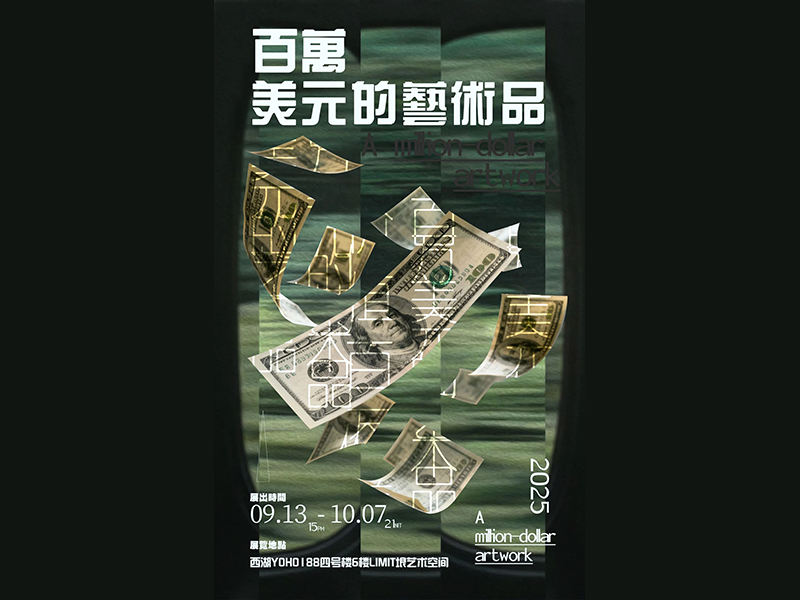
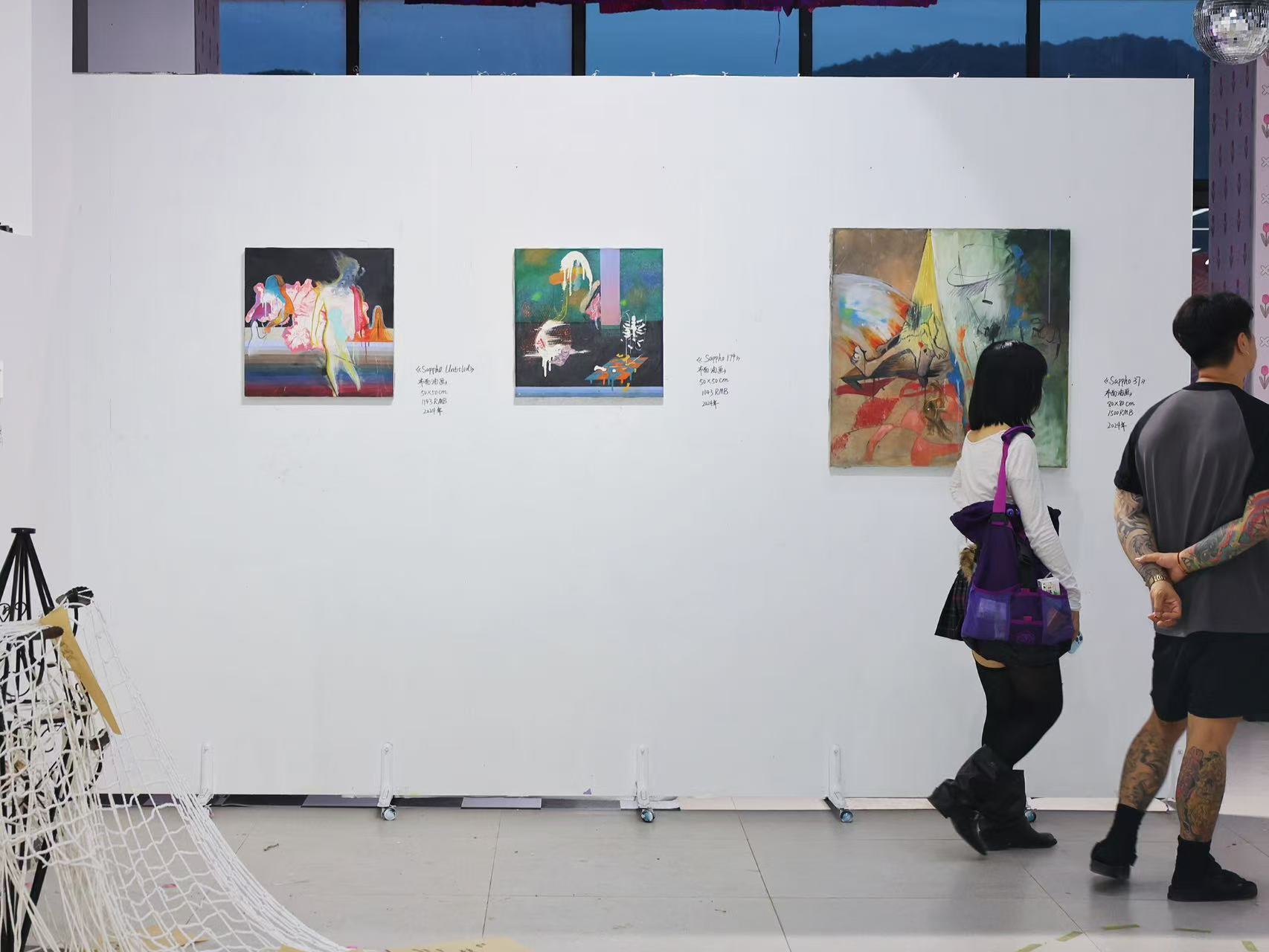
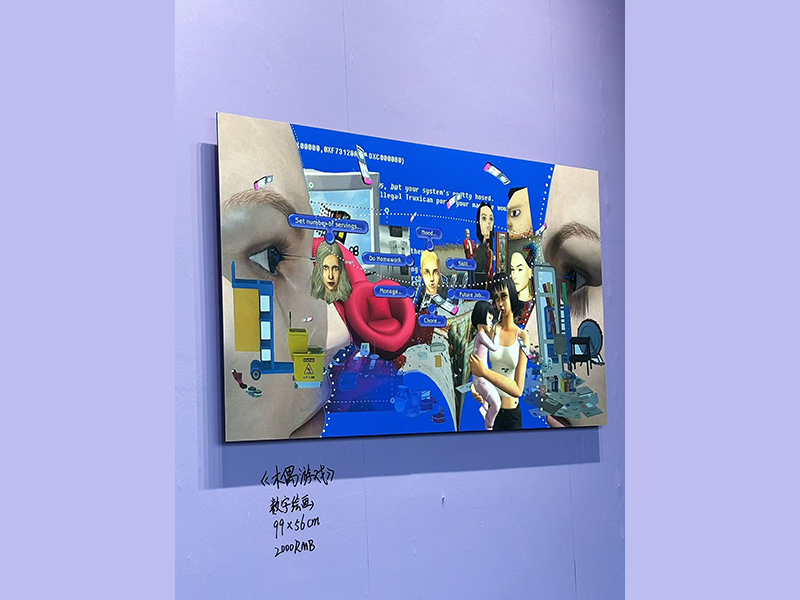
When an artwork commands millions of dollars at auction, we can't help but ask: Where does this dazzling figure come from? What truly defines an artwork's value? Is it the vitality and unique expression poured into it by the artist? The historical weight and cultural significance it carries? Or is it the collusion of market forces, capital pursuit, and brand influence?
This exhibition presents a series of “highly valued” masterpieces, unveiled in the form of blind boxes. Artists will remain unidentified, with only the works and brief price descriptions displayed. We invite viewers and collectors alike to pierce through the fog of price tags and examine the multidimensional spectrum of artistic value.
We explore: How can an artwork's intrinsic aesthetics, emotional impact, and intellectual depth be quantified? What roles do collectors, galleries, auction houses, critical systems, and even social trends play in the pricing game? Capital's power can elevate art to sacred status while quietly reshaping its ecosystem. How should emerging artists navigate this volatile market environment—creating and establishing themselves?
The “million-dollar threshold” serves both as a yardstick of reality and a starting point for inquiry. It compels us to ponder: What complex and captivating tension exists between art's intangible value and its tangible price tag? It invites us to reexamine the intricate definitions woven into the fabric of art treasures—definitions intertwined with creativity, history, humanity, and capital.
This exhibition presents a series of “highly valued” masterpieces, unveiled in the form of blind boxes. Artists will remain unidentified, with only the works and brief price descriptions displayed. We invite viewers and collectors alike to pierce through the fog of price tags and examine the multidimensional spectrum of artistic value.
We explore: How can an artwork's intrinsic aesthetics, emotional impact, and intellectual depth be quantified? What roles do collectors, galleries, auction houses, critical systems, and even social trends play in the pricing game? Capital's power can elevate art to sacred status while quietly reshaping its ecosystem. How should emerging artists navigate this volatile market environment—creating and establishing themselves?
The “million-dollar threshold” serves both as a yardstick of reality and a starting point for inquiry. It compels us to ponder: What complex and captivating tension exists between art's intangible value and its tangible price tag? It invites us to reexamine the intricate definitions woven into the fabric of art treasures—definitions intertwined with creativity, history, humanity, and capital.
2024 >
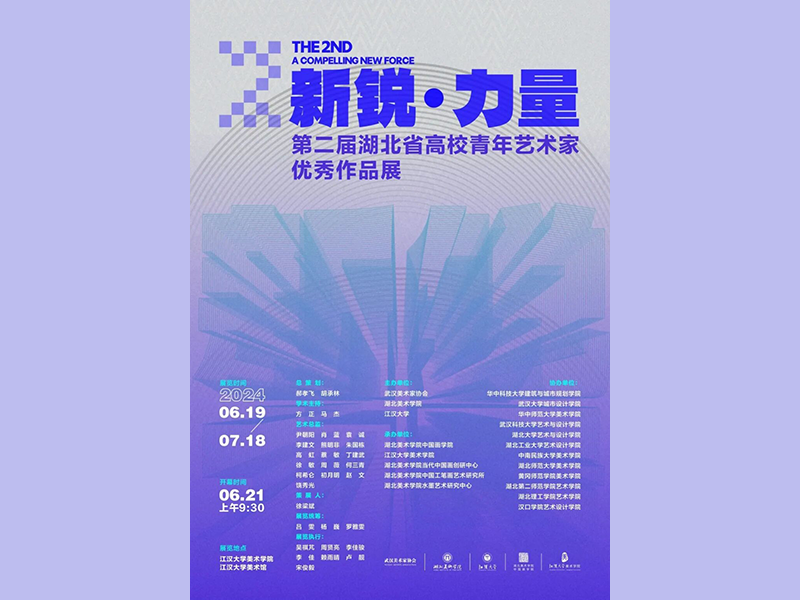
Emerging - Power - The 2nd Hubei Province University Young Artists' Excellent Works Exhibition, Art Museum of Jianghan University, Wuhan, China. >
2022 >
Layers of Space and Time - Special Project for Wuhan Design Day 2022, SINO-OCEAN International Gallery, Wuhan, China. >
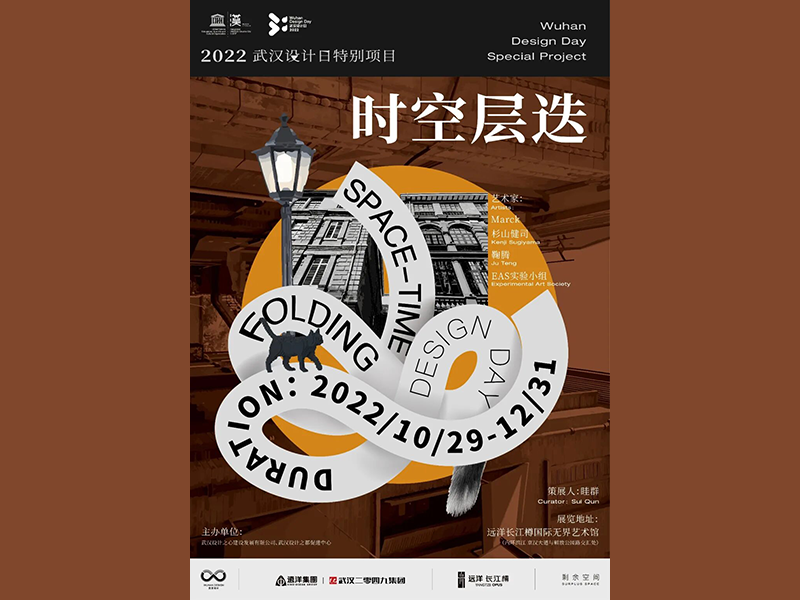
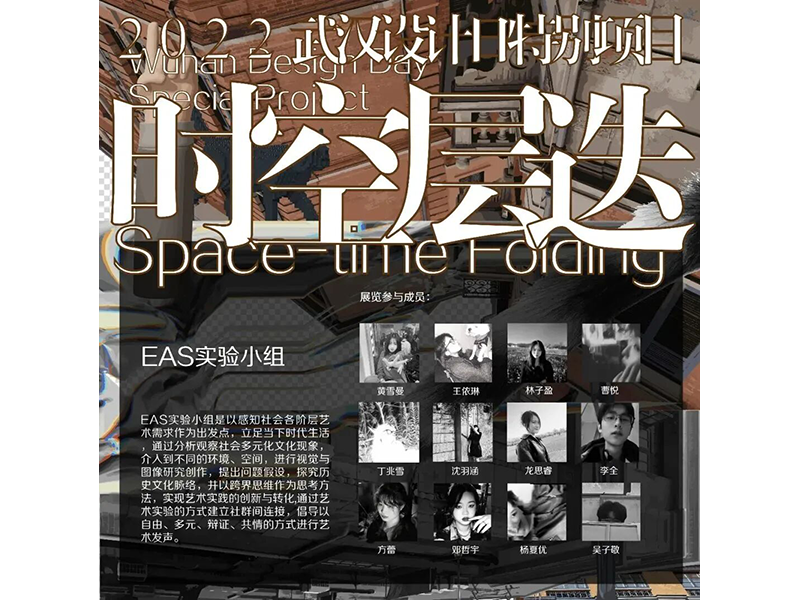
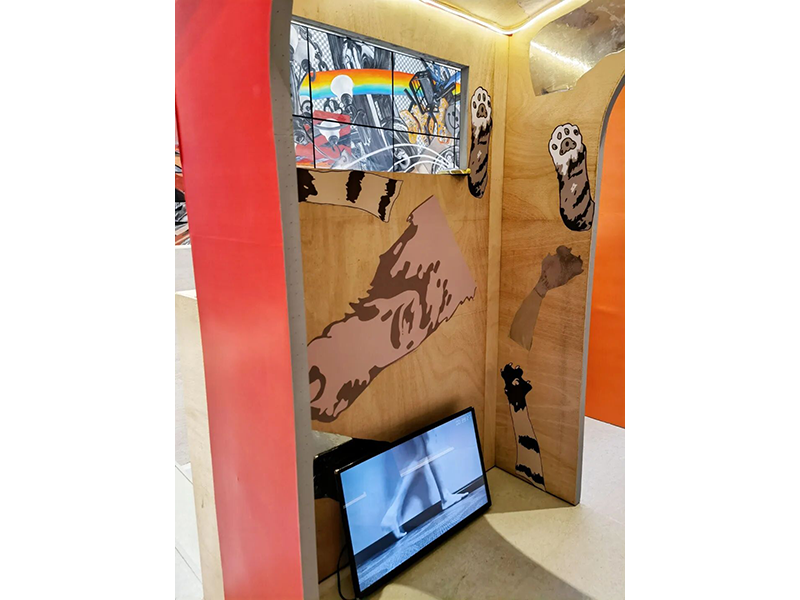
Time and space, as the duality of temporal and spatial dimensions, suggest that if space can be constructed, time may likewise be deconstructed. In today's rapidly evolving urban landscape, the interplay between old and new urban textures organically integrates time and space, fostering the layered growth of multiple temporal-spatial dimensions. This exhibition centers on the enduring historical context of the heritage district, where the old and new intertwine amidst the tangible and intangible, the concrete and abstract, growing naturally amidst the seemingly random and disorderly. Employing montage techniques, contemporary art and design create a rich, diverse street museum. By observing diverse social phenomena, the exhibition dissolves boundaries between temporal and spatial dimensions, highlighting the organic emergence and imminent disappearance of objective realities within the old city's rebirth. Through visual and pictorial research using color and spatial forms, it invites deeper contemplation on future urban quality, allowing history and the future to reunite within a boundless artistic space.
Plain Water—Cao Xiaojiu's Personal Project, Wrecked Ship Space, Wuhan, China (Curatorial). >.
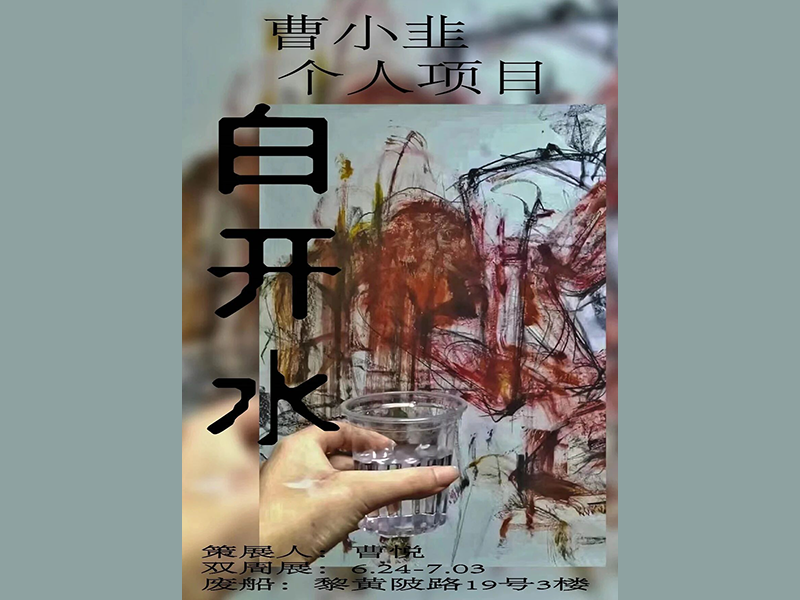
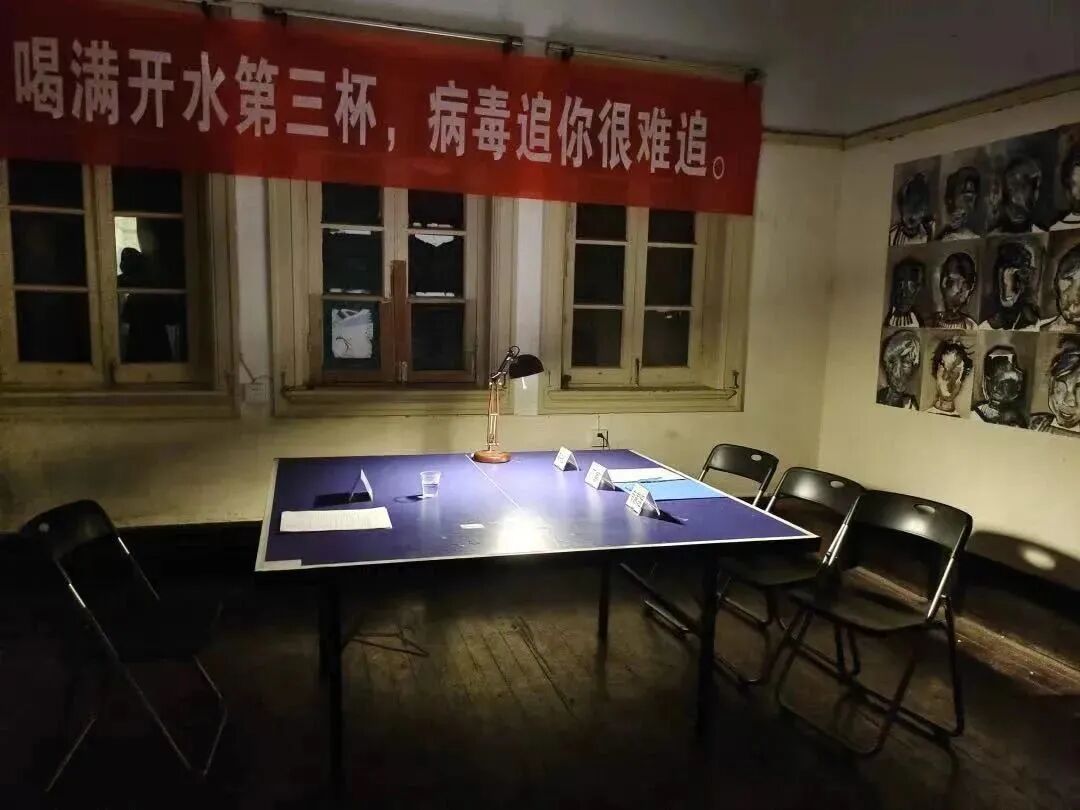
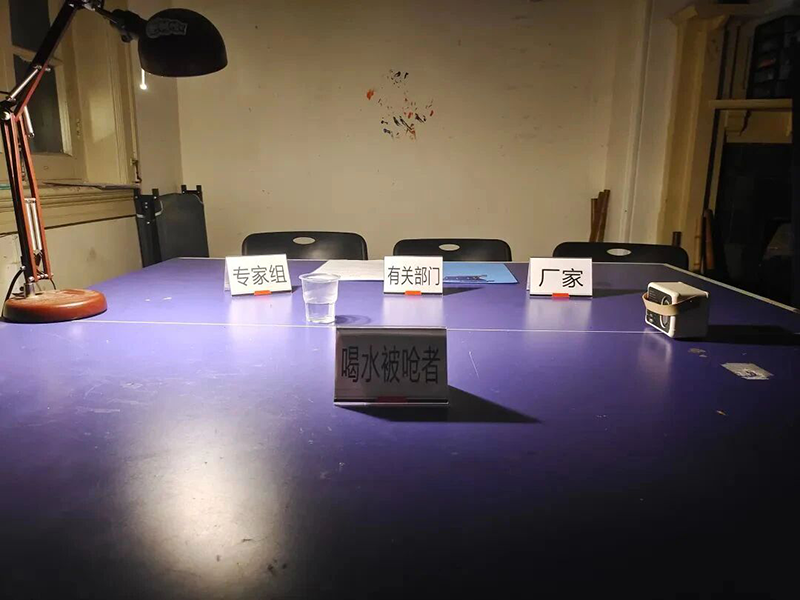
This exhibition will center on “plain water” as its core symbol, temporarily endowing it with unique artistic value. Through distinctive rebellious and ironic approaches, it will present easel paintings, video works, and installation art that may seem entirely unrelated to plain water, while attempting to establish their close connections within the same context. As a ubiquitous daily beverage across vast regions, plain water possesses remarkable efficacy in receiving guests and soothing others—a function I perceive as prescribed and profoundly absurd. The “absurd meaning” inherently assigned to plain water will be ‘disrupted’ and “transformed” in this exhibition through the lens of my lived experiences.


